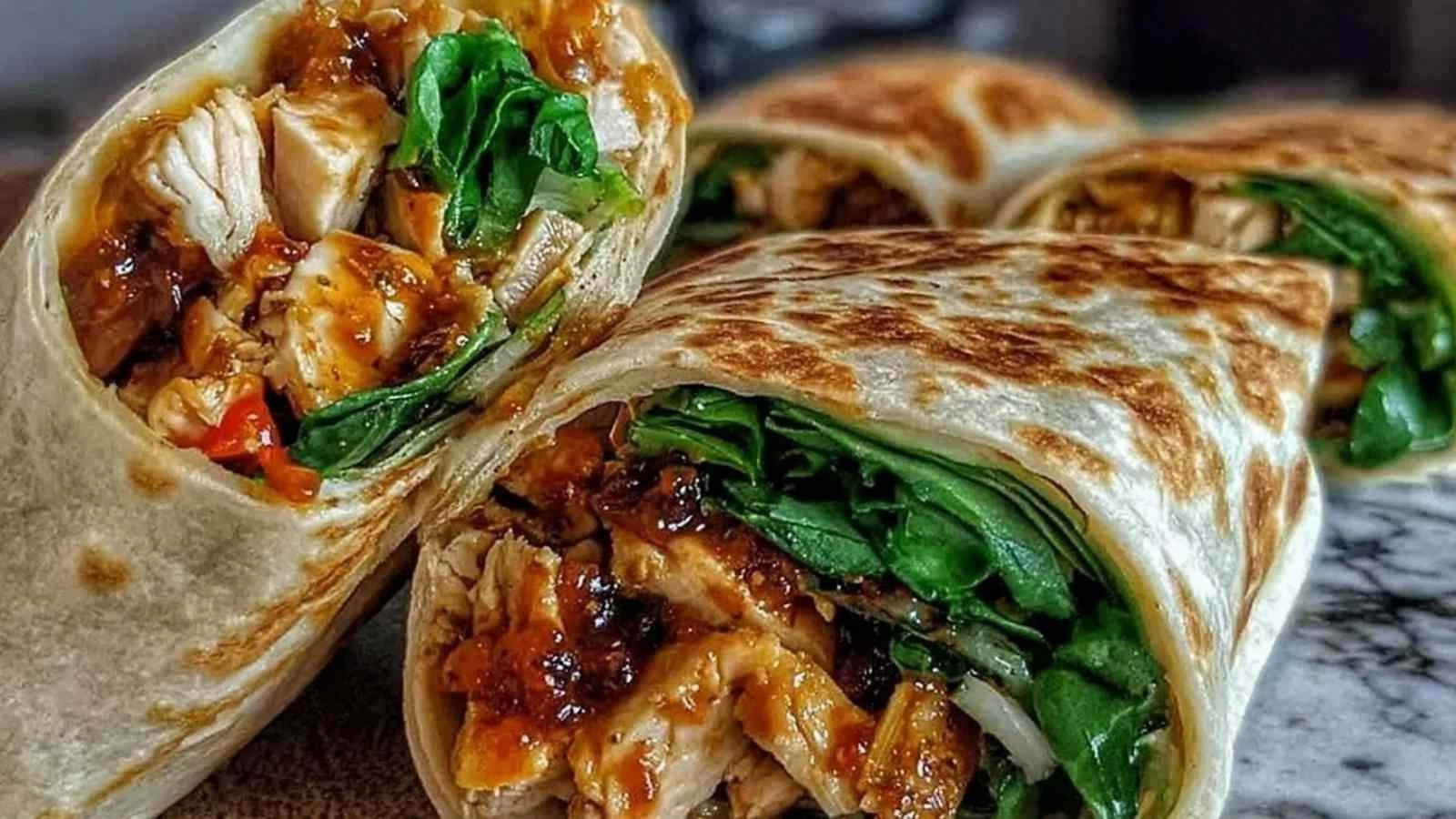
Picture this: I’m in the middle of a late‑night dinner prep, the fridge is a cold abyss, and the only thing that’s not going to make me late for my next meeting is a quick, bold dish. I toss a bag of chicken thighs into a hot pan, hoping the sizzle will sing the same song as the one that started this culinary saga. The first bite was a disaster—dry, flavorless, and as bland as a beige wall. That night, I swore to myself that I’d never let the kitchen be a place of culinary boredom again. The next day, I hit the internet and discovered a recipe that promised to turn a simple chicken stir‑fry into a flavor explosion.
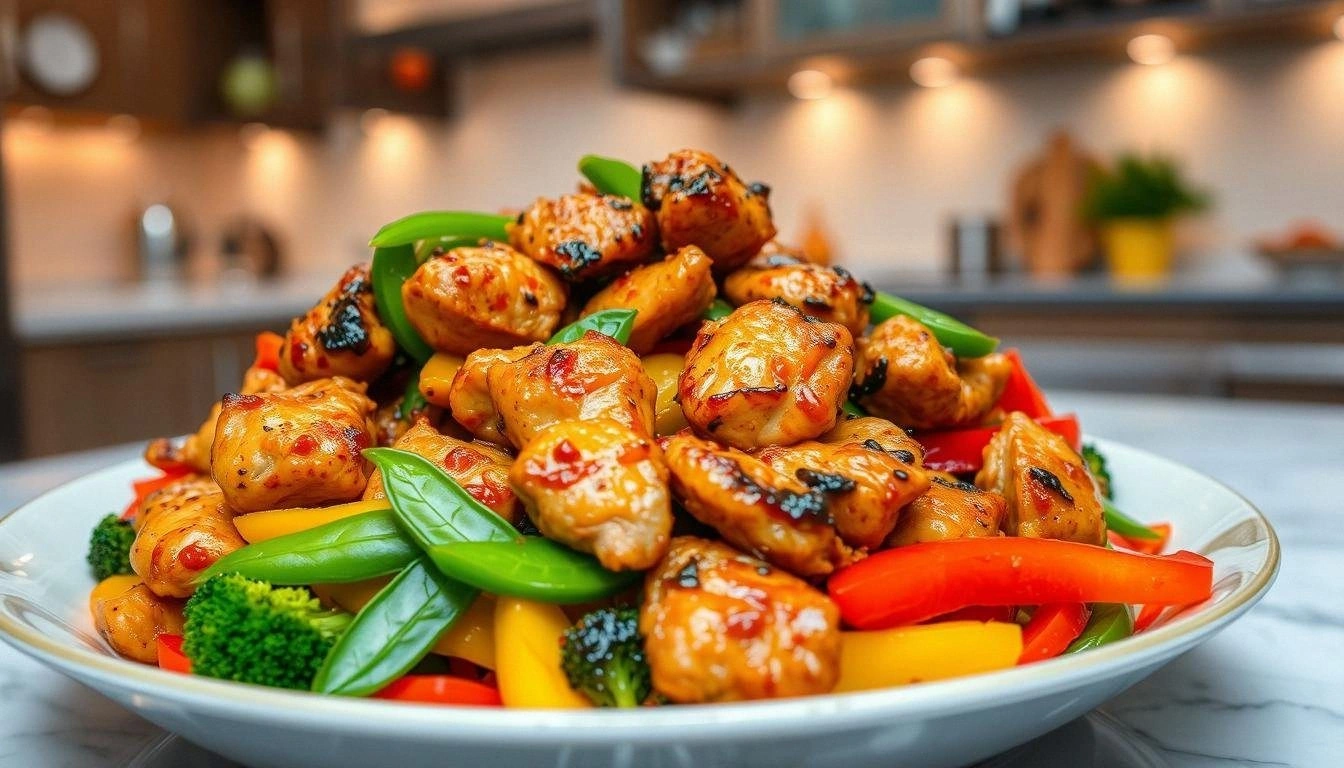
From the moment the oil hit the pan, a fragrant steam rose, carrying hints of ginger, garlic, and that unmistakable scent of fresh pepper. The sizzling sound was music, a high‑pitch whine that made my ears perk up like a kid on a candy aisle. As the chicken browned, its edges curled into a crisp, golden crust that crackled like a crackling campfire. The aroma drifted through the kitchen, mingling with the sweet tang of honey and the umami depth of oyster sauce. It wasn’t just cooking; it was a sensory rollercoaster that left my taste buds buzzing like a well‑tuned radio.
What makes this version a culinary game‑changer is that it strips away the fluff and focuses on the core elements that deliver maximum flavor in a fraction of the time. I’ve refined the balance of sweet and savory, giving the sauce a glossy sheen that clings to every bite like a second skin. The pepper isn’t just a garnish; it’s the star that cuts through the richness of the sauce, giving the dish a sharp, almost citrusy bite. By using cornstarch to thicken the sauce, the mixture coats the chicken and vegetables without turning them into a mushy mess. It’s the kind of dish that makes you wonder why you ever settled for store‑bought stir‑fries that feel like they were made in a hurry.
The secret sauce behind this recipe is a quick, one‑minute “sauté‑then‑simmer” technique that locks in juices and infuses the pepper’s heat into every morsel. I’ll show you how to create a caramelized glaze that coats the chicken like velvet, while the pepper crystals give a subtle crunch that pops in your mouth. I’ll also reveal a small but mighty trick for getting the perfect sear without overcooking the meat. The result? A dish that’s not only quick but also delivers a depth of flavor that’s hard to find in other fast‑food options.
Ready to ditch the ordinary and embrace a dish that’s bold, bright, and absolutely unforgettable? Let me walk you through every single step—by the end, you’ll wonder how you ever made it any other way. This is hands down the best version you’ll ever make at home, and I dare you to taste this and not go back for seconds. If you’ve ever struggled with a bland stir‑fry, you’re not alone—and I’ve got the fix. Let’s dive in.
What Makes This Version Stand Out
- Taste: The sauce balances sweet, salty, and umami in a single, glossy coat that lingers on the palate. It’s not just seasoning; it’s a flavor narrative that starts with a sweet honey kiss and ends with a peppery finish. This depth turns a simple stir‑fry into a memorable meal.
- Texture: The chicken is seared to a caramelized crust while remaining tender inside, and the vegetables stay crisp with a slight snap. The cornstarch thickener gives the sauce a silky body without turning the dish soggy. Every bite offers a contrast that keeps the mouth moving.
- Simplicity: With only ten minutes of prep and a single pan, you can go from cupboard to table in a flash. The recipe eliminates unnecessary steps, so you can focus on flavor instead of juggling multiple pots. It’s a streamlined process that still feels gourmet.
- Uniqueness: The combination of black pepper crystals and a honey‑soy glaze is rarely seen in conventional stir‑fry recipes. The pepper crystals add a subtle crunch that’s a delightful surprise. This twist sets the dish apart from standard weekday meals.
- Crowd Reaction: Friends who taste it often ask for the recipe the next time they’re in a hurry. The dish’s bold flavors make it a hit at parties and family dinners alike. It’s a crowd‑pleaser that turns ordinary nights into culinary celebrations.
- Ingredient Quality: Using fresh ginger, garlic, and high‑quality soy sauce elevates the dish from basic to exceptional. The quality of the pepper crystals also matters; fresh black pepper gives a more vibrant aroma. This attention to detail is what makes the dish shine.
- Cooking Method: The quick sear followed by a rapid simmer locks in juices and creates a caramelized glaze. This technique ensures the chicken remains juicy while the sauce thickens to a glossy finish. It’s a method that guarantees consistent results.
- Make‑Ahead Potential: The dish can be prepared ahead of time and reheated with minimal loss of flavor. The sauce’s thickness holds up well, and the pepper crystals remain crisp. This makes it ideal for meal prep or busy weeknights.
Inside the Ingredient List
The Flavor Base
At the heart of this dish is the sauce—a marriage of soy, oyster, and hoisin sauces, sweetened with honey and balanced by a splash of rice vinegar. This trio creates a complex umami profile that coats the chicken like a velvet blanket. Each liquid is essential; dropping one changes the entire flavor architecture. When you whisk them together, they form a glossy glaze that caramelizes on the heat of the pan.
The ginger and garlic provide a pungent kick that cuts through the richness of the sauce. Freshly minced, they release essential oils that infuse the dish with aroma and depth. If you’re in a hurry, you can use pre‑minced or powdered versions, but fresh is always better. Remember, the ginger should be finely minced to avoid large chunks that can overwhelm the bite.
The black pepper crystals are the secret weapon that gives this dish its signature bite. Unlike ground pepper, the crystals maintain a crunchy texture that pops in your mouth. They also release heat slowly, preventing the dish from becoming overly spicy. Use freshly cracked pepper for the best aroma and flavor.
The Texture Crew
Broccoli florets and sliced bell peppers add a bright, fresh crunch that balances the richness of the sauce. Their vibrant colors also make the dish visually appealing, turning a simple plate into a feast for the eyes. If you prefer a milder vegetable, carrots or snow peas work wonderfully as substitutes.
The onion is sliced thin to ensure it caramelizes quickly, adding a subtle sweetness that complements the honey. Its soft texture contrasts nicely with the crisp vegetables, creating a layered mouthfeel. For a vegan version, you can omit the onion or replace it with sliced shiitake mushrooms.
Scallions add a fresh, oniony finish that brightens the dish just before serving. Their mild flavor doesn’t compete with the sauce but rather lifts it. A sprinkle of sesame seeds at the end adds a nutty crunch and a pop of color, completing the textural profile.
The Unexpected Star
Cornstarch is the unsung hero that thickens the sauce into a glossy glaze without making it gummy. When mixed with cold water before adding to the pan, it ensures an even coating on the chicken and vegetables. Skipping this step can leave the dish watery and unappealing.
Sesame oil, added at the end, gives the dish a fragrant, nutty aroma that elevates the entire flavor profile. Its high smoke point allows it to be added without burning, and the tiny amount is enough to create a subtle finish. If you’re allergic or simply don’t like sesame oil, a dash of toasted sesame paste can work as a substitute.
The optional sesame seeds add a final crunch that contrasts with the soft vegetables and juicy chicken. They also contribute a mild, nutty flavor that enhances the overall taste. If you prefer a seedless version, you can simply omit them; the dish remains delicious.
The Final Flourish
A splash of water or chicken broth ensures the sauce doesn’t scorch on the pan and gives the dish a light, brothy finish. It also helps the cornstarch thicken evenly, preventing clumps. If you prefer a thicker sauce, use less liquid; for a lighter version, add a bit more.
Salt to taste is a subtle reminder that seasoning is personal. A pinch of salt enhances the umami of the soy and oyster sauces. Be careful not to over‑salt, as the sauces already contain sodium. Taste as you go, and adjust accordingly.
Everything’s prepped? Good. Let’s get into the real action.
The Method — Step by Step
- Step 1: Heat a large skillet or wok over medium‑high heat until it shimmers. Add the vegetable oil and swirl to coat the bottom. When the oil begins to smoke lightly, it’s ready. This quick heat ensures the chicken will sear instantly. Keep an eye on it; you don’t want it to burn.
- Step 2: Toss the chicken pieces into the hot pan, leaving a little space so they don’t steam. Let them sit untouched for 2 minutes to develop a golden crust. Flip them once to brown the other side. The goal is a caramelized exterior with a juicy interior. When the first side is done, you’ll hear a satisfying sizzle.
- Step 3: Remove the chicken and set it aside. In the same pan, add a splash of sesame oil, then the minced ginger and garlic. Cook for 30 seconds until fragrant, but watch closely to avoid burning. This aromatics layer forms the flavor base of the dish.
- Step 4: Add the sliced onion and bell pepper to the pan, stirring constantly. Cook for 2 minutes until they start to soften but still retain their crunch. The quick sauté locks in their natural sweetness and color. This is where the vegetables begin to mingle with the aromatics.
- Step 5: Return the chicken to the pan, then pour in the pre‑mixed sauce (soy, oyster, hoisin, honey, rice vinegar, water). Stir to coat everything evenly. Bring the mixture to a gentle boil, then reduce the heat to low. This simmer allows the flavors to meld together.
- Step 6: Sprinkle the black pepper crystals over the pan. Stir quickly to distribute them, then let the sauce thicken for 3 minutes. The pepper crystals will start to brown slightly, adding a nutty aroma. Watch the sauce; when it reaches a glossy consistency, you’re close.
- Step 7: Sprinkle the cornstarch slurry into the pan, stirring constantly. The sauce will begin to thicken instantly, forming a glossy coat on the chicken and vegetables. This step is crucial; if the sauce clumps, gently whisk it out. The result should be silky and clingy.
- Step 8: Add the broccoli florets, then stir to combine. Cover the pan with a lid for 2 minutes, allowing the broccoli to steam without losing its crunch. This brief cover keeps the heat focused and the veggies bright. The steam also helps the sauce cling to the broccoli.
- Step 9: Stir in the sliced scallions and sesame seeds. These final touches add a fresh, bright note and a subtle crunch. Give the dish a quick final stir to distribute everything evenly. The scallions should still have a slight bite, not become mushy.
- Step 10: Remove the pan from heat. Plate the chicken and vegetables over steamed rice or noodles, then drizzle any remaining sauce over the top. Serve immediately while the dish is hot and the sauce is still glossy. The aroma will fill your kitchen, making every bite a celebration.
That’s it — you did it. But hold on, I've got a few more tricks that'll take this to another level. These insider tips will help you perfect the dish every time and keep it from becoming just another weekday routine.
Insider Tricks for Flawless Results
The Temperature Rule Nobody Follows
Many cooks start with a low heat, hoping to avoid burning the sauce. However, a high heat sears the chicken quickly, locking in juices and creating a caramelized crust that enhances flavor. I always bring the pan to a rolling boil before adding the chicken, then reduce the heat after the initial sear. This method ensures the chicken is both juicy inside and flavorful outside. If you’re in a rush, skip the reduction and cook everything at high heat, but the result will be slightly less complex.
Why Your Nose Knows Best
Smelling the sauce as it simmers is a critical cue. When the sauce turns a deep amber and emits a sweet, caramelized aroma, it’s at its peak. If you’re unsure, sniff the sauce; it should smell like toasted soy with a hint of honey. This sensory checkpoint saves you from overcooking and underseasoning. Trust your nose, and the dish will never disappoint.
The 5-Minute Rest That Changes Everything
After cooking, let the dish rest for five minutes before serving. This short pause allows the flavors to redistribute and the sauce to thicken slightly. The rest also gives the pepper crystals a chance to settle, making each bite more balanced. I’ve seen people skip this step and end up with a dish that feels rushed. Give it a minute; the taste difference is worth it.
Keep the Veggies Crisp, Not Steamed
The key to crisp vegetables is quick searing, not long simmering. Add the broccoli only in the final minutes, and cover the pan briefly to trap steam. This method preserves the bright green color and a slight crunch. Overcooking the veggies can make the dish feel heavy and dull. Keep the heat high and the cooking time short.
Don’t Forget the Final Splash of Oil
A final splash of sesame oil at the end adds a fragrant, nutty finish that ties all the flavors together. It also gives the sauce a glossy sheen that makes the dish look restaurant‑quality. Add it just before serving, and watch the aroma lift instantly. Skipping this step can leave the dish feeling flat. A small amount of oil makes a big difference.
Creative Twists and Variations
This recipe is a playground. Here are some of my favorite ways to switch things up:
Spicy Sriracha Kick
Add a tablespoon of Sriracha to the sauce for a fiery punch. The heat pairs well with the black pepper, creating a layered spiciness. This version is great for those who love a bit of burn with their bite. Keep the rest of the recipe the same to maintain balance. Serve over rice for a spicy, satisfying meal.
Vegetarian Delight
Replace the chicken with tofu or tempeh for a plant‑based version. Press the tofu to remove excess moisture before searing. The tofu will absorb the sauce beautifully, resulting in a hearty dish. Add extra veggies like mushrooms or zucchini to increase volume. This version is just as flavorful and satisfying.
Asian Fusion Stir‑Fry
Swap the broccoli for bok choy and add sliced carrots for color. Use a splash of rice vinegar for extra tang. The bok choy adds a delicate crunch that complements the pepper crystals. This variation gives the dish an authentic Asian feel while keeping the core flavors intact. Perfect for a quick weekend dinner.
Low‑Carb Twist
Serve the dish over cauliflower rice instead of regular rice. Use a sugar substitute like erythritol or stevia to replace the honey. This keeps the flavor profile but cuts down on carbs dramatically. The cauliflower will absorb the sauce just fine. It’s a great option for keto or low‑carb diets.
Gluten‑Free Option
Use tamari instead of soy sauce to keep the dish gluten‑free. Ensure the oyster sauce is also gluten‑free, or replace it with a mushroom sauce. The rest of the recipe remains unchanged, so the flavor stays intact. This version is safe for those with gluten sensitivities. Enjoy the same bold taste without the gluten.
Storing and Bringing It Back to Life
Fridge Storage
Store the dish in an airtight container in the refrigerator for up to 3 days. The sauce may thicken slightly as it cools; a quick stir will restore its glossy texture. Keep the chicken separate if you’re planning to reheat it separately; this prevents the vegetables from becoming soggy. Use a silicone lid or a tightly sealed plastic container to maintain freshness. Label the container with the date to keep track.
Freezer Friendly
Freeze the dish in individual portions for up to 2 months. Wrap each portion tightly in foil or plastic wrap, then place it in a freezer bag. When you’re ready to eat, thaw overnight in the refrigerator. The sauce may separate slightly; a quick stir will re‑emulsify it. Reheat on the stovetop or in the microwave, adding a splash of water if needed.
Best Reheating Method
Reheat the dish gently over low heat, adding a teaspoon of water or broth to keep the sauce from drying out. Stir frequently to prevent sticking. Heat until the sauce is steaming and the chicken is hot throughout. Avoid high heat, which can make the sauce cling too thickly and the chicken rubbery. Serve immediately for the best texture and flavor.