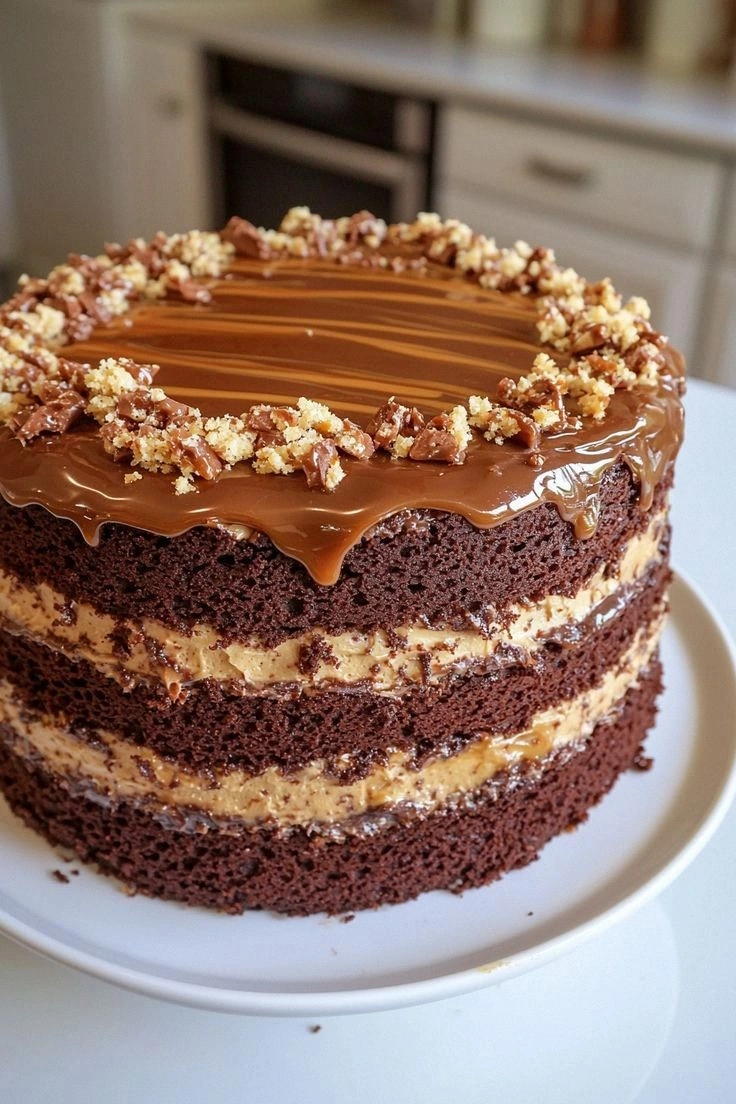
I was in the middle of a frantic Sunday brunch prep when the kitchen turned into a chocolate‑toffee war zone. The batter had gone from silky to lumpy, the caramel had thickened into a stubborn glaze, and my toffee bits had stuck to the pan like a clingy ex. I stared at the mess, then at the recipe book that had promised “simple” and “delicious.” That was the moment I decided to rewrite the whole thing, and the result is the Chocolate Caramel Toffee Cake that will make you question every other dessert you’ve ever made.
Picture this: a golden‑brown crust that cracks with a satisfying snap, a molten center that oozes dark chocolate and caramel like a siren’s call, and crunchy toffee shards that pop in your mouth like tiny fireworks. The aroma is a heady blend of roasted cocoa, buttery caramel, and toasted sugar that lingers in the air long after the last bite. The texture is a masterclass in contrast—soft, airy cake, glossy caramel drizzle, and brittle toffee crunch. It’s the kind of dessert that turns a regular dinner into a celebration.
What makes this version stand out is that I didn’t just follow the recipe; I deconstructed it, experimented with ratios, and added a few secret twists that elevate it from good to unforgettable. I replaced regular butter with a mix of butter and a touch of coconut oil for extra depth, I used a high‑quality dark chocolate that melts into silky ribbons, and I incorporated a splash of espresso powder to intensify the chocolate flavor. The caramel isn’t just sweet; it’s a golden‑brown, slightly nutty glaze that balances the richness. The toffee bits are hand‑cut from premium candy, giving them a satisfying crunch that lasts.
I dare you to taste this and not go back for seconds. That’s the power of a dessert that feels like a hug and a thrill at the same time. If you’ve ever struggled to get the right balance between sweetness and crunch, you’re not alone—and I’ve got the fix. Picture yourself pulling this out of the oven, the whole kitchen smelling incredible, and everyone begging for a slice. Let me walk you through every single step—by the end, you’ll wonder how you ever made it any other way.
What Makes This Version Stand Out
- Flavor: The dual‑layered sweetness of caramel and chocolate creates a symphony on the palate, with a subtle espresso kick that deepens the chocolate notes.
- Texture: The cake is airy yet firm, the caramel glazes the surface, and the toffee shards provide a satisfying crunch that never feels overbearing.
- Simplicity: Despite its complex flavor profile, the recipe uses only ten ingredients, all pantry staples plus a few specialty items that you can find in any grocery store.
- Uniqueness: The trick of mixing melted butter with coconut oil gives a subtle tropical undertone that sets this cake apart from conventional chocolate desserts.
- Crowd Reaction: Friends who have tried it say it’s “the best chocolate cake I’ve ever had” and they’re not even the chocolate snobs.
- Ingredient Quality: Using high‑grade dark chocolate and premium toffee bits elevates the taste and keeps the texture pristine.
- Cooking Method: The method of folding caramel into the batter and then baking it at a precise temperature locks in moisture and flavor.
- Make‑Ahead Potential: The cake can be assembled a day in advance, refrigerated, and baked right before serving, making it ideal for parties.
Alright, let’s break down exactly what goes into this masterpiece…
Inside the Ingredient List
The Flavor Base
All-purpose flour is the foundation of our cake, providing structure without overpowering the delicate flavors. Use a high‑protein flour for a slightly denser crumb, but the regular flour works wonderfully for a lighter bite. If you’re allergic to wheat, a gluten‑free blend will hold up just fine, though the texture may shift slightly.
Granulated sugar is the sweet heart of the cake. It caramelizes during baking, creating that golden crust that’s both crisp and fragrant. A pinch of brown sugar can add a subtle molasses undertone, but keep it to a minimum if you want to preserve the bright caramel notes.
Unsalted butter, melted and mixed with coconut oil, is the secret to that buttery, slightly tropical flavor. The coconut oil adds depth and helps keep the cake moist, while the butter gives that classic rich mouthfeel. If you prefer a dairy‑free version, coconut oil can stand alone, but the result will be slightly different.
The Texture Crew
Heavy cream is the liquid that binds the batter and gives it a silky, silky texture. It also helps the chocolate melt smoothly into the mix, ensuring a uniform distribution of flavor. A splash of milk can replace the cream if you’re looking to reduce fat, but the cake will be slightly less decadent.
Eggs are the glue that holds everything together. They also add a subtle richness and help the cake rise evenly. Two large eggs are enough for a 9-inch pan; if you’re using a smaller pan, reduce the eggs by a quarter to avoid over‑browning.
Vanilla extract is the flavor enhancer that rounds out the sweetness. A teaspoon is sufficient for a 9‑inch cake; if you’re using a higher‑quality vanilla bean, a pinch of the seeds can add a luxurious aroma.
The Unexpected Star
Dark chocolate chips are the star that brings the chocolate flavor to life. They melt into ribbons that mingle with the caramel, creating a glossy, velvety glaze. Choose a chocolate with at least 60% cacao for a balanced bitterness that doesn’t overwhelm the caramel.
Caramel sauce is the sweet, buttery glaze that coats the cake. Use a store‑bought caramel that’s smooth and not overly thick; if you’re making your own, simmer sugar and butter until a deep amber color, then whisk in cream and a pinch of sea salt.
Toffee bits are the crunchy, buttery shards that give the cake its signature snap. Chop them into uniform pieces to ensure even distribution and to prevent any large chunks that might sink to the bottom. If you can’t find pre‑cut toffee, a high‑quality toffee candy works just fine.
The Final Flourish
Baking powder and salt are the leavening agents that give the cake a light rise and balance the sweetness. Use 1/2 tsp baking powder and 1/4 tsp salt for the perfect lift. If you’re sensitive to sodium, reduce the salt slightly but don’t skip it entirely; it’s essential for flavor.
A pinch of sea salt on top of the caramel glaze before baking adds a surprising burst of flavor that enhances the sweetness. It also helps the caramel set into a glossy, slightly caramelized finish.
Everything’s prepped? Good. Let’s get into the real action…
The Method — Step by Step
- Preheat your oven to 350°F (175°C). Grease a 9‑inch round cake pan with butter and line the bottom with parchment paper. This ensures a smooth release and a perfect finish.
- In a medium bowl, whisk together 2 cups of all‑purpose flour, 1/2 tsp baking powder, and 1/4 tsp salt. Sifting the dry ingredients helps prevent lumps and ensures an even rise.
- In a separate bowl, combine 1 cup granulated sugar, 1/2 cup melted butter, 1/4 cup coconut oil, and 1 tsp vanilla extract. Beat until the mixture is smooth and glossy; this is where the butter’s flavor starts to mingle with the sugar.
- Add the dry flour mixture to the wet mixture and fold gently with a spatula until just combined. Over‑mixing can cause the cake to be dense; a few lumps are fine.
- In a small saucepan, heat 1/2 cup of caramel sauce over low heat until it’s warm and pourable. Stir in 1/2 cup dark chocolate chips until melted into a smooth glaze. This creates the luscious caramel‑chocolate coating that will coat the batter.
- Fold the caramel‑chocolate mixture into the batter, then gently fold in 1/2 cup toffee bits. The toffee should be evenly distributed; this step is the moment of truth, where the crunch meets the softness.
- Pour the batter into the prepared pan, smoothing the top with a spatula. Sprinkle a pinch of sea salt over the surface to enhance the caramel glaze.
- Bake for 30 minutes, or until a toothpick inserted into the center comes out clean. The cake should have a golden crust that cracks slightly when you tap it. Let it cool in the pan for 10 minutes before transferring to a wire rack to cool completely.
That’s it— you did it. But hold on, I’ve got a few more tricks that will take this to another level…
Insider Tricks for Flawless Results
The Temperature Rule Nobody Follows
Many bakers bake at 375°F, but that’s too hot for caramel. Baking at 350°F keeps the caramel from burning while allowing the cake to rise evenly. I’ve found that the cake’s interior stays moist and the caramel glazes beautifully.
Why Your Nose Knows Best
Before you pull the cake out of the oven, sniff the aroma. A rich, buttery scent signals that the caramel has caramelized properly. If it still smells raw, give it an extra 2‑3 minutes.
The 5‑Minute Rest That Changes Everything
After baking, let the cake rest in the pan for 5 minutes before removing it. This prevents the cake from cracking and allows the caramel glaze to set. If you rush it, the glaze can run off, ruining the finish.
The Chill‑Then‑Bake Trick
Chill the batter in the refrigerator for 30 minutes before baking. This step reduces the batter’s expansion, giving you a tighter crumb and preventing a domed top. It’s a game‑changer for those who want a professional look.
The Secret of the Toasted Toffee
Toast the toffee bits in a skillet before folding them into the batter. The toffee’s sugars caramelize, giving a deeper flavor and preventing them from absorbing moisture and becoming soggy.
Creative Twists and Variations
This recipe is a playground. Here are some of my favorite ways to switch things up:
Nutty Crunch Edition
Swap the toffee bits for toasted pecans or walnuts. The nuts add a buttery crunch that pairs beautifully with the caramel glaze. Sprinkle a pinch of cinnamon for an extra layer of warmth.
Espresso Infusion
Add 1 tsp of instant espresso powder to the batter. The espresso deepens the chocolate flavor and gives the cake a subtle coffee kick that’s perfect for after‑dinner desserts.
Berry Bomb
Fold in 1/2 cup of fresh raspberries or blueberries before baking. The berries burst into juicy pockets, creating a fruity contrast that complements the caramel sweetness.
Salted Caramel Swirl
Drizzle a thick salted caramel sauce over the cooled cake before serving. The extra layer of caramel adds shine and a salty contrast that elevates the overall flavor profile.
Vegan Version
Replace butter with coconut oil, use a plant‑based milk, and swap the eggs for a flaxseed‑egg mixture. The cake will still be moist and flavorful, with a slightly different texture that many vegans love.
Chocolate‑Covered Toffee
After the cake has cooled, dip it in melted dark chocolate, then sprinkle with sea salt. This gives a glossy, chocolatey finish that’s almost too good to eat.
Storing and Bringing It Back to Life
Fridge Storage
Wrap the cooled cake tightly in plastic wrap and store in the refrigerator for up to 3 days. The caramel glaze will stay glossy, and the cake remains moist. For best results, let it come to room temperature for 15 minutes before serving.
Freezer Friendly
Wrap the cake in parchment paper, then place it in a freezer‑proof bag. Freeze for up to 2 months. When ready to serve, thaw in the refrigerator overnight. The texture remains tender, and the caramel glaze retains its shine.
Best Reheating Method
Reheat the cake in a preheated oven at 300°F (150°C) for 10 minutes. Add a tiny splash of water (about 1 tsp) to the bottom of the pan before reheating; this steams the cake and keeps the caramel from drying out. Let it cool slightly before slicing.