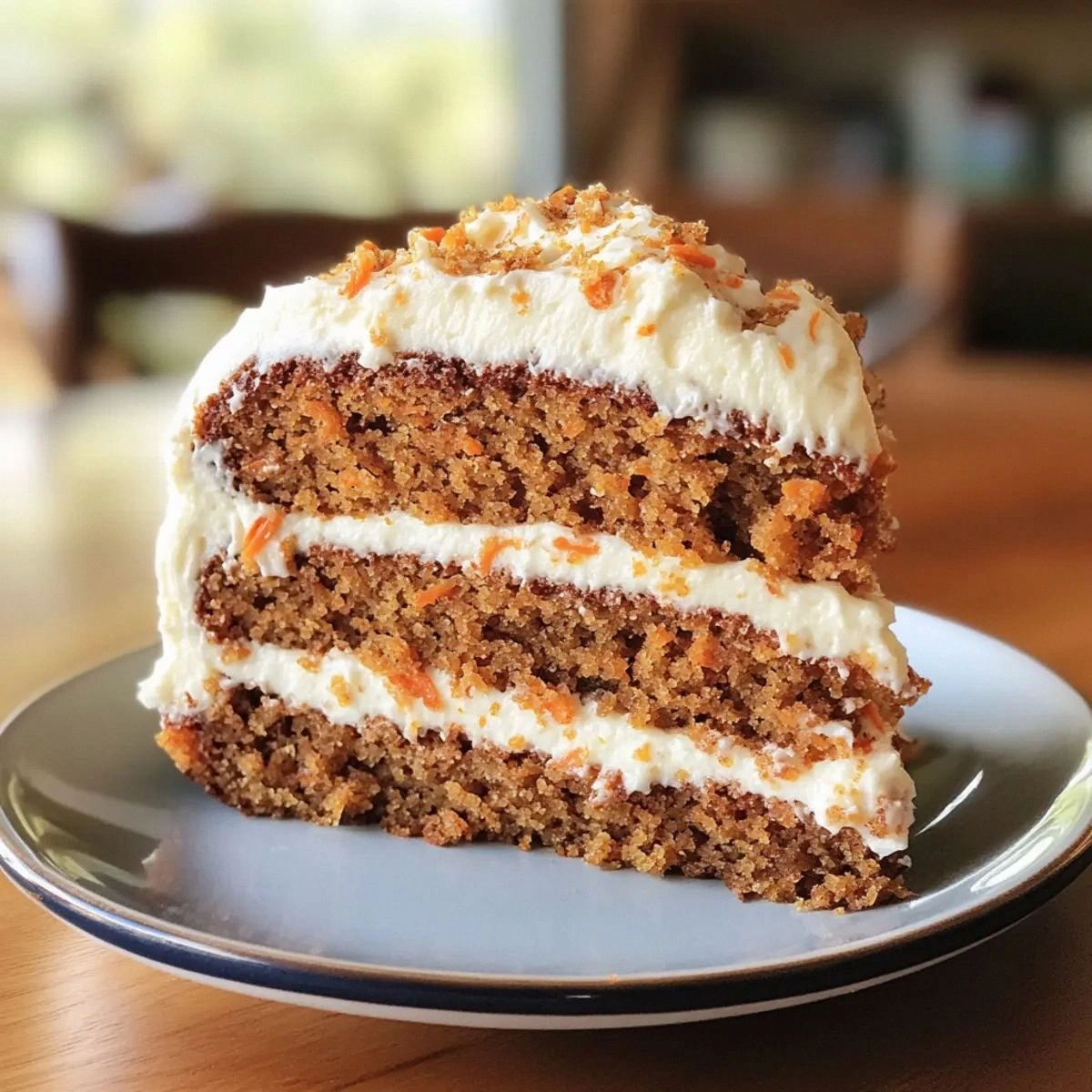
Picture this: it’s a rainy Saturday afternoon, the kind that makes you want to curl up with a blanket, a good book, and something that smells like a warm hug. I was halfway through a marathon of “baking fails” videos when a sudden craving for carrot cake hit me like a bolt of lightning. My pantry was a mess of half‑used ingredients, and the only thing missing was a recipe that didn’t scream “cheesecake calories” the moment you glance at the nutrition label. I dared myself to create a version that would be moist, indulgent, and still let me brag about its health benefits without feeling guilty.
The kitchen quickly turned into a battlefield of aromas. The sweet, earthy scent of grated carrots hit the air, mingling with the buttery whisper of coconut oil as it melted in the pan. I could hear the gentle hiss of the oven preheating, a comforting reminder that something delicious was about to happen. My fingertips felt the cool smoothness of Greek yogurt and the slightly gritty texture of oat flour, each waiting for its turn to join the party. The moment I poured the maple‑sweet batter into the pan, the whole room seemed to hold its breath, and I knew I was on the cusp of something unforgettable.
Most carrot cake recipes out there either drown the carrots in a sea of sugar or rely on heavy cream cheese frosting that turns a wholesome snack into a calorie bomb. This version flips the script: it uses maple syrup for natural sweetness, oat flour for a nutty, gluten‑friendly base, and a light Neufchâtel cream cheese frosting that still feels luxuriously creamy. The secret? A splash of Greek yogurt that adds moisture without the heaviness, and a precise balance of spices that make every bite sing. I’m about to spill the beans on a technique that most bakers overlook—a quick “steam‑boost” at the end of baking that locks in moisture like a sealed vault.
Let me walk you through every single step — by the end, you’ll wonder how you ever made it any other way. I dare you to taste this and not go back for seconds, because once you’ve experienced this level of carrot cake perfection, nothing else will compare. Okay, ready for the game‑changer? Let’s dive in.
What Makes This Version Stand Out
- Moisture: The combination of grated carrots, coconut oil, and Greek yogurt creates a crumb that stays tender for days, not just hours.
- Flavor Depth: A blend of cinnamon, ginger, and nutmeg delivers a spice profile that’s warm without being overpowering.
- Healthier Sweetener: Maple syrup provides natural sugars and a subtle caramel note, eliminating the need for refined white sugar.
- Gluten‑Friendly Base: Oat flour gives a light, slightly nutty texture while keeping the cake accessible to those with gluten sensitivities.
- Light Frosting: Neufchâtel cheese paired with a touch of Greek yogurt offers the classic tang without the excess fat.
- Simplicity: Fewer than ten pantry staples and a single bowl make this a breezy weeknight bake.
- Make‑Ahead Magic: The cake freezes beautifully, and the frosting can be whipped up ahead of time for stress‑free serving.
- Crowd‑Pleaser: Even the most skeptical sweet‑tooth will admit this cake is “the best version you’ll ever make at home.”
Inside the Ingredient List
The Flavor Base
Grated carrots are the heart of this cake; they bring natural sweetness, moisture, and a vibrant orange hue that makes the final product look Instagram‑ready. If you skip them, you’ll end up with a bland, dry crumb that feels more like a biscuit than a cake. For a sweeter kick, you can add a handful of raisins, but be prepared for a texture shift.
Maple syrup isn’t just a sugar substitute—it adds a deep, caramel‑like undertone that pairs perfectly with the earthiness of carrots. If you’re allergic to maple, try agave nectar, though the flavor will be less complex. Choose a grade‑A, pure maple syrup for the cleanest taste.
The Texture Crew
Oat flour provides a tender, slightly chewy structure while keeping the cake gluten‑friendly. Don’t substitute with all‑purpose flour unless you’re okay with losing that subtle nutty flavor. When buying oat flour, look for stone‑ground varieties for the best texture.
Coconut oil adds richness without the heavy mouthfeel of butter. It also contributes a faint tropical note that complements the spices. If you’re not a fan of coconut, melt a neutral oil like avocado oil—just keep the quantity the same.
Greek yogurt is the secret moisture‑keeper. Its tang balances the sweetness, and its protein helps the cake rise evenly. Full‑fat yogurt yields a richer crumb, while low‑fat keeps the calorie count down without sacrificing moisture.
The Unexpected Star
Neufchâtel cheese is the unsung hero of the frosting. It’s essentially a lower‑fat cream cheese, delivering that classic tang with fewer calories. If you can’t find it, regular cream cheese works, but the frosting will be richer and slightly heavier.
Vanilla extract is the aromatic glue that ties all the flavors together. A high‑quality pure vanilla will give you a more fragrant finish than imitation. Don’t be shy—its aroma is a subtle but crucial layer.
The Final Flourish
Sea salt, though listed “to taste,” is essential for amplifying the sweet and spicy notes. A pinch too much can make the cake taste briny, but the right amount brings balance. Use a fine sea salt for even distribution.
Ground spices—cinnamon, ginger, and nutmeg—are the aromatic trio that makes this cake unmistakably “carrot cake.” Freshly ground spices will give you a brighter flavor than pre‑ground, which can lose potency over time. If you love a spicier profile, add a pinch of ground cloves.
Finally, a pinch of salt in the frosting helps the cheese and yogurt blend smoothly, preventing a cloying sweetness. It’s a tiny tweak that makes a massive difference.
Everything's prepped? Good. Let's get into the real action...
The Method — Step by Step
-
Preheat your oven to 350°F (175°C) and grease a 9‑inch round cake pan with a thin layer of coconut oil. While the oven warms, line the bottom with parchment paper—this ensures a clean release later. I always tap the pan on the counter to spread the oil evenly, creating a glossy surface that helps the cake rise uniformly. The moment the oven door clicks shut, you’ll hear a faint sigh of anticipation, as if the kitchen itself is holding its breath.
Kitchen Hack: Place a shallow pan of boiling water on the lower rack; the steam adds humidity, preventing the cake from drying out. -
In a large mixing bowl, whisk together the oat flour, baking powder, baking soda, ground spices, and a pinch of sea salt. This dry blend should look like a speckled desert—golden with flecks of brown. Whisking aerates the flour, which is crucial for a light crumb; think of it as giving the batter a tiny lift before the big jump.
Set this bowl aside while you tackle the wet ingredients. The dry mixture will stay ready, waiting like a stage set for the main act.
-
Now, in a separate bowl, combine the grated carrots, coconut oil, and maple syrup. Stir until the carrots are fully coated and the mixture looks glossy, almost like a caramelized glaze. This step is where the magic begins: the oil and syrup coax the carrots to release their natural juices, creating a moist base that will keep the cake from ever feeling dry.
Watch Out: Over‑mixing at this stage can break down the carrot fibers, leading to a gummy texture. Stir just until combined. -
To the carrot mixture, add the eggs one at a time, beating well after each addition. The eggs act as the structural glue, binding the wet and dry components together. Follow with the Greek yogurt and vanilla extract, whisking until the batter is smooth and slightly thick—think of a thick pancake batter, not a runny soup.
The scent of vanilla will start to fill the kitchen, a subtle reminder that you’re on the right track.
-
Gradually fold the dry flour mixture into the wet batter, using a spatula and a gentle hand. This is the “no‑overmix” moment; you want just enough incorporation so the flour disappears, but not so much that gluten (or its oat equivalent) develops. The batter will look a little lumpy—that’s perfectly fine and actually desirable for a tender crumb.
At this point, the batter should have a rich amber hue, speckled with bright orange carrot ribbons.
-
Pour the batter into the prepared pan, spreading it evenly with the back of a spoon. Tap the pan lightly on the counter three times; this releases trapped air bubbles and levels the surface. The edges will start to look slightly raised, a sign that the cake is ready to rise beautifully.
Kitchen Hack: Place the pan on a baking stone for the first 10 minutes; the stone distributes heat evenly, giving a perfect dome. -
Slide the pan into the oven and bake for 25‑30 minutes. Around the 20‑minute mark, rotate the pan 180° to ensure even browning. The cake is done when a toothpick inserted into the center comes out with just a few moist crumbs, not wet batter. The top should be a deep golden brown, and you’ll notice the edges pulling away slightly from the pan—those are the visual cues of a perfectly baked cake.
While it bakes, I like to whisk the frosting ingredients together so it’s ready the moment the cake cools.
-
Once baked, remove the cake and let it cool in the pan for 10 minutes, then turn it out onto a wire rack. This short cooling period lets the steam finish cooking the interior without over‑drying the exterior. While the cake cools, combine the Neufchâtel cheese, the second half‑cup of Greek yogurt, the remaining maple syrup, and a pinch of salt in a mixing bowl. Beat until smooth and airy—this is where the frosting becomes light enough to spread without tearing the delicate crumb.
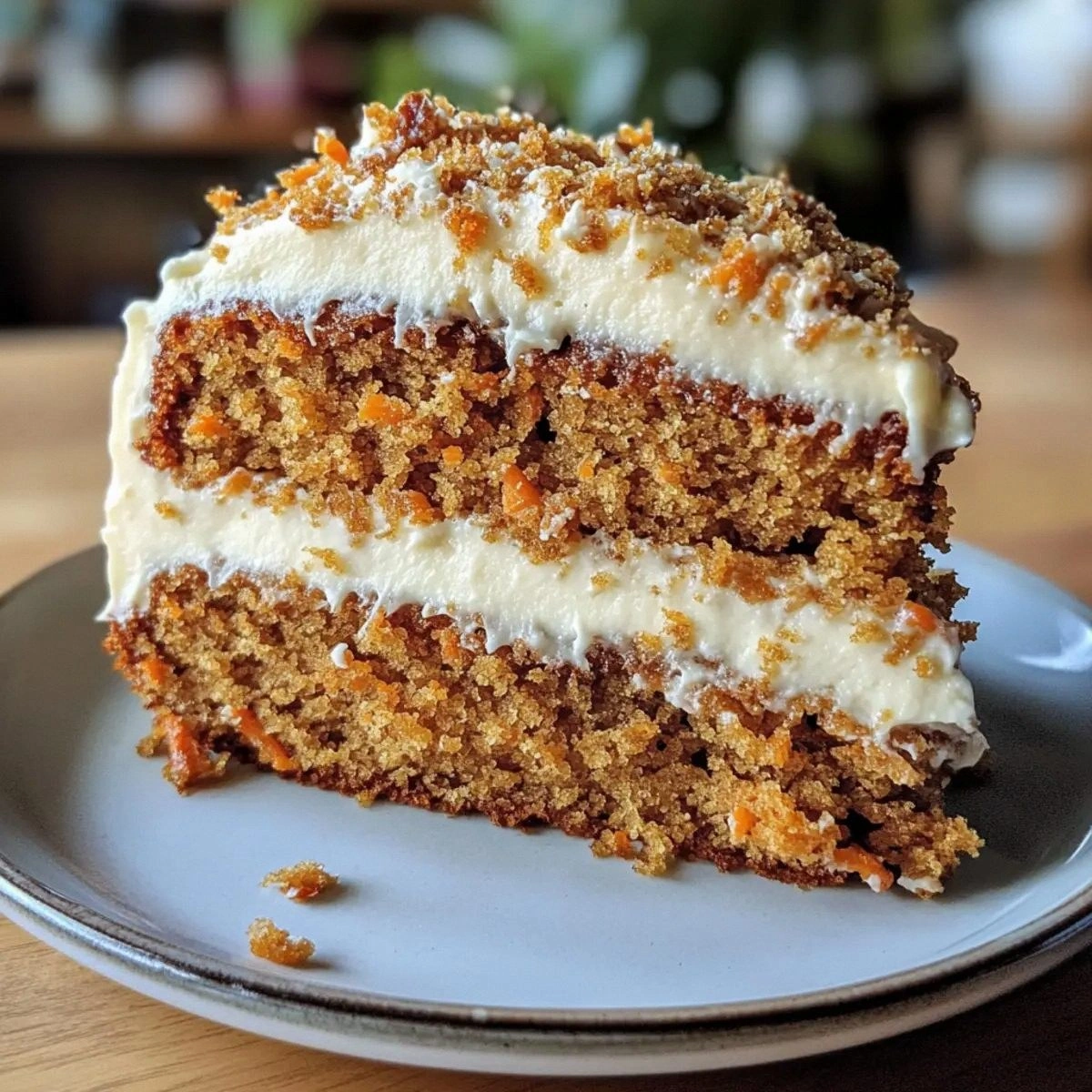
When the cake is completely cool, spread the frosting generously over the top and sides. The frosting should melt slightly into the warm cake, creating a glossy finish that looks like a velvet curtain.
That's it — you did it. But hold on, I've got a few more tricks that'll take this to another level. Stay with me here — this is worth it.
Insider Tricks for Flawless Results
The Temperature Rule Nobody Follows
Always let your batter sit at room temperature for 10 minutes before baking. This small pause allows the oat flour to fully hydrate, resulting in a softer crumb. I once tried skipping this step and ended up with a cake that felt a bit dense, like it missed the “moisture party.” Trust me, the extra patience pays off in texture.
Why Your Nose Knows Best
The moment the cake starts to smell toasty is the cue to start checking for doneness. Your nose can detect the caramelization of the maple syrup before the timer even buzzes. If the aroma is strong and sweet, give it a quick toothpick test; if the crumbs are moist, it’s ready. Trusting your senses saves you from over‑baking, which is the fastest way to a dry cake.
The 5‑Minute Rest That Changes Everything
After frosting, let the cake rest for five minutes at room temperature before slicing. This short rest lets the frosting set just enough to hold its shape while still being creamy. Cutting too early can cause the frosting to slide off, leaving a mess on your plate. The five‑minute pause is a tiny window that makes a massive difference in presentation.
Frosting Consistency Control
If the frosting feels too thick, whisk in a teaspoon of cold water or a splash of extra Greek yogurt. Conversely, if it’s too runny, add a tablespoon of oat flour—just enough to thicken without altering the flavor. The key is to adjust gradually; you’ll learn the perfect texture after a couple of tries.
Freezer‑Friendly Prep
Wrap the baked, unfrosted cake tightly in plastic wrap, then a layer of foil before freezing. When you’re ready to serve, thaw it in the refrigerator overnight and frost fresh. This method preserves the moisture and prevents freezer burn, making the cake taste as fresh as the day you baked it.
Creative Twists and Variations
This recipe is a playground. Here are some of my favorite ways to switch things up:
Apple‑Cinnamon Swirl
Replace half of the grated carrots with finely diced apples and add an extra teaspoon of cinnamon. The apples bring a juicy burst that complements the carrots, creating a sweet‑spicy duet perfect for autumn gatherings.
Chocolate Chip Surprise
Stir in a half‑cup of dark chocolate chips into the batter before baking. The melty pockets of chocolate contrast beautifully with the earthy carrots, satisfying any chocolate lover’s cravings.
Orange‑Zest Glaze
Swap the maple syrup in the frosting for a blend of orange zest and a drizzle of honey. The citrusy zing lifts the flavor profile, making it an elegant dessert for brunch.
Nutty Crunch
Fold in a quarter‑cup of toasted chopped walnuts or pecans for added texture. The nuts add a buttery crunch that pairs well with the soft crumb and creamy frosting.
Spiced Pumpkin Fusion
Mix in a half‑cup of pumpkin puree and increase the ground spices by an extra half‑teaspoon. This creates a hybrid carrot‑pumpkin cake that’s perfect for Halloween or Thanksgiving.
Vegan Version
Swap the eggs for flax “eggs” (2 tbsp ground flaxseed + 6 tbsp water) and use a plant‑based cream cheese alternative. The result is still moist and flavorful, proving that indulgence doesn’t need dairy.
Storing and Bringing It Back to Life
Fridge Storage
Cover the frosted cake loosely with plastic wrap and store it in the refrigerator for up to five days. The cool environment keeps the frosting firm while the cake stays moist. Before serving, let it sit at room temperature for 20 minutes to soften the frosting.
Freezer Friendly
Freeze the unfrosted cake layers individually, wrapped tightly in foil and then a freezer bag. They’ll keep for up to three months. When you’re ready, thaw overnight in the fridge, then frost as usual.
Best Reheating Method
To revive a slice, place it on a microwave‑safe plate, sprinkle a tiny splash of water around the edges, and microwave on low for 20‑30 seconds. The added steam revives the crumb, making it taste freshly baked.