I was standing in my kitchen, staring at a half‑finished batch of classic focaccia, when my roommate burst in with a jar of dill pickles and a mischievous grin. “Bet you can’t make a focaccia that tastes like a snack you’d find at a deli counter,” she challenged. I laughed, but deep down I felt a spark of curiosity—what if the tangy bite of a dill pickle could mingle with the buttery, airy texture of focaccia? That night, I set out on a culinary experiment that turned a simple mistake into a revelation, and the result was nothing short of a flavor bomb that makes you gasp, “I dare you to taste this and not go back for seconds.”
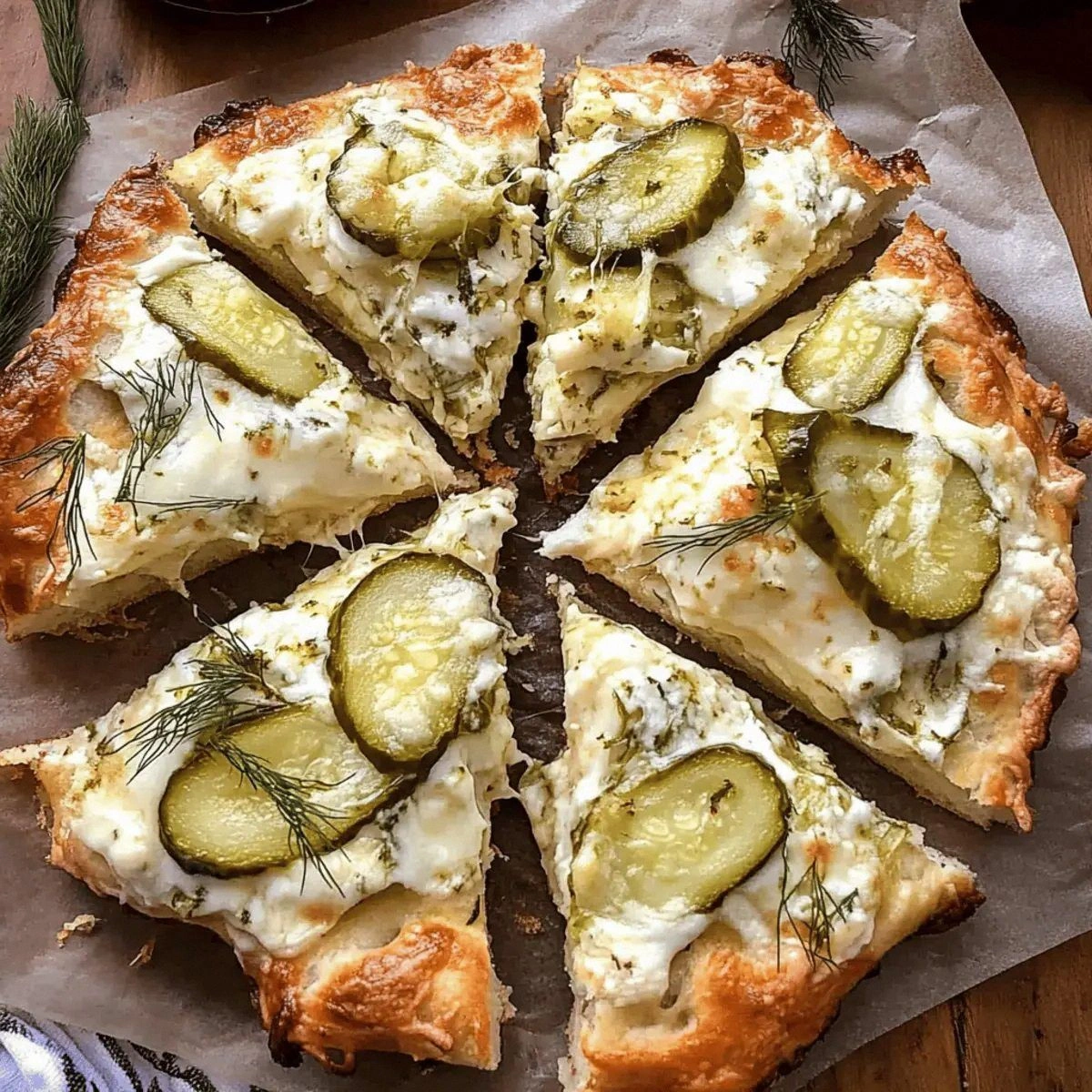
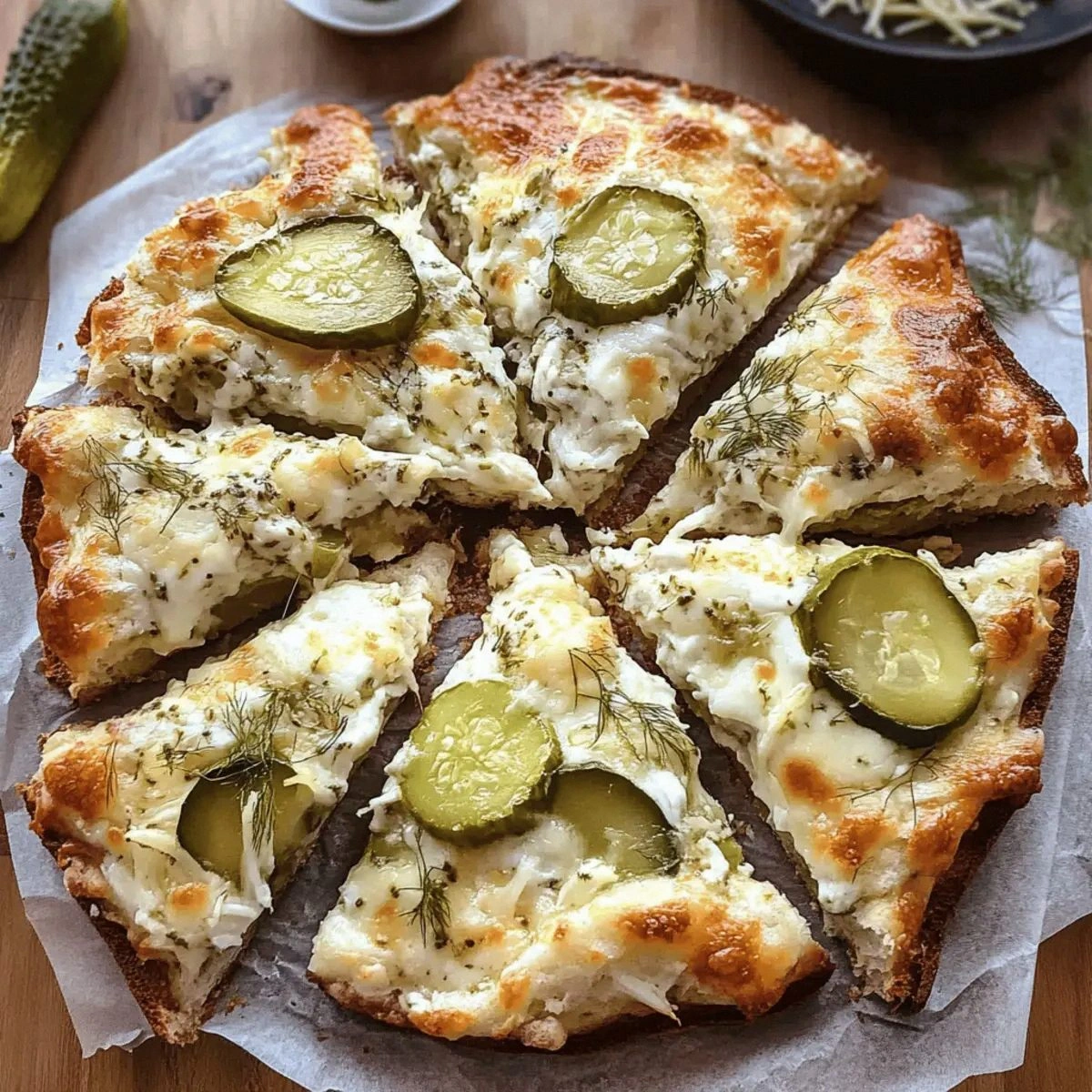
Picture this: the oven door swings open, a golden‑brown canvas emerges, speckled with glistening olive oil, melted mozzarella, and the glossy sheen of a dill‑pickle‑infused sauce. The aroma hits you first—a heady mix of fresh dill, garlic, and that unmistakable sour‑creamy perfume that makes your stomach start a low‑rumble before you even take a bite. When you finally break a piece, the crust cracks with a satisfying snap, the interior is soft, almost pillow‑like, and the dill‑pickle slices melt into the cheese, releasing a briny tang that dances with the richness of sour cream and mayo. The experience is like a reunion of a classic Italian street‑food staple and a crunchy, tangy snack you’d find at a backyard barbecue.
Most focaccia recipes get the basics right—fluffy interior, crisp edges—but they never venture into the realm of bold, unexpected flavors. Most recipes get this completely wrong. Here’s what actually works: a creamy sauce that seeps into the dough, a generous layer of mozzarella that stretches like a dream, and dill pickles that add that zing without overwhelming the palate. The secret lies in a simple sauce made from sour cream, mayo, and a dash of lemon juice that coats the dough like velvet, while the dill and garlic give it an aromatic punch that keeps you reaching for more.
I’ll be honest — I ate half the batch before anyone else got to try it, and I still can’t stop thinking about the way the cheese bubbles and the edges turn a caramel‑gold that shatters like thin ice when you bite into them. This is hands down the best version you’ll ever make at home, and I’m about to walk you through every single step — by the end, you’ll wonder how you ever made it any other way. Okay, ready for the game‑changer?
What Makes This Version Stand Out
- Tangy Brilliance: The dill pickles aren’t just a topping; they’re woven into the dough, delivering a bright, tangy bite that cuts through the richness of the cheese and sauce.
- Creamy Coating: A sauce of sour cream, mayonnaise, and lemon juice creates a luxurious mouthfeel that clings to every crumb, making each bite feel indulgent.
- Cheese Pull: Two cups of shredded mozzarella melt into a gooey blanket that stretches like a dream, offering that classic pizza‑like satisfaction.
- Herb‑Infused Aroma: Fresh dill and dill weed give an herbaceous perfume that fills the kitchen, turning an ordinary bake into a sensory celebration.
- Texture Play: The crust is crisp on the outside, airy on the inside, and the pickles add a subtle crunch that makes the whole thing irresistibly multi‑dimensional.
- Easy Scaling: The recipe is built for a 4‑person batch but scales effortlessly thanks to the built‑in serving adjuster, so you can feed a crowd or keep it intimate.
- Make‑Ahead Magic: This focaccia freezes beautifully, and a quick reheating revives the original texture, making it perfect for meal prep.
- Crowd‑Pleaser: Whether you’re serving it as an appetizer, a side, or a snack, the bold flavor combo gets rave reviews and endless requests for seconds.
Inside the Ingredient List
The Flavor Base
Warm water and active dry yeast are the dynamic duo that kick‑starts the fermentation, giving the focaccia its airy lift. If the water is too hot, you’ll kill the yeast; if it’s too cold, the dough will stay sluggish. I always aim for a temperature that feels like a summer shower—around 105°F (40°C). For a gluten‑free twist, you can swap the yeast for a sourdough starter, but expect a slightly different flavor profile.
Granulated sugar feeds the yeast, accelerating the rise and adding a subtle sweetness that balances the briny pickles later on. It’s a tiny amount, but without it the dough can feel flat and bland. If you’re watching sugar, you can halve it, but the rise will be a bit slower.
Extra‑virgin olive oil does double duty: it lubricates the dough, making it easier to handle, and it enriches the crumb with a buttery depth. Choose a robust, peppery oil for an extra layer of flavor; a mild oil will let the dill and garlic shine brighter.
The Texture Crew
All‑purpose flour provides the gluten network that traps gas bubbles, creating the signature focaccia fluff. If you want a chewier bite, substitute 25% of the flour with bread flour; for a lighter crumb, try a mix of half‑all‑purpose and half‑cake flour, though the texture will be more delicate.
Sour cream and mayonnaise form the creamy sauce that seeps into the dough, turning each bite into a silky experience. The acidity of the sour cream cuts through the richness, while the mayo adds a luxurious mouthfeel. If you’re dairy‑free, replace both with a blend of coconut cream and olive‑oil mayo.
Whole milk adds a touch of sweetness and helps the sauce spread evenly, while lemon juice brightens the overall flavor, preventing the sauce from feeling heavy. A splash of apple cider vinegar can be used instead of lemon for a different tang.
The Unexpected Star
Dill pickles are the hero of this dish. Their tangy crunch contrasts with the soft dough, while the dill herb ties the whole flavor palette together. Slice them thinly so they melt into the cheese; thicker slices stay crunchy for a more pronounced bite.
Fresh dill, added just before serving, provides a burst of garden‑fresh aroma that lifts the entire loaf. If you can’t find fresh dill, dried dill works, but use only half the amount to avoid bitterness.
The Final Flourish
Mozzarella cheese is the melty, stretchy component that gives the focaccia its pizza‑like allure. Use a high‑moisture mozzarella for maximum gooeyness; low‑moisture varieties will bake drier but crisp up nicely on the edges.
Italian seasoning, garlic, and kosher salt round out the flavor foundation, ensuring each bite is layered with savory depth. The garlic is minced twice—once for the dough and once for the sauce—to create a nuanced garlicky backdrop without overwhelming the palate.
Everything's prepped? Good. Let’s get into the real action…
The Method — Step by Step
-
In a medium bowl, combine the warm water (just warm enough to feel like a pleasant summer breeze) with the active dry yeast and a pinch of the granulated sugar. Stir gently and let it sit for 5‑7 minutes until it becomes frothy, like a tiny cloud of anticipation. This is the moment of truth; if you don’t see bubbles, your yeast might be dead and you’ll need to start over. Once frothy, add the remaining sugar and give it another quick stir.
Kitchen Hack: If you’re in a rush, you can proof the yeast in the microwave for 30 seconds on low power—just be careful not to overheat. -
In a large mixing bowl, whisk together the flour, Italian seasoning, 2 teaspoons of minced garlic, and the kosher salt. Make a well in the center, then pour in the yeast mixture, ⅓ cup of olive oil, and the remaining 2 tablespoons of olive oil. Using a wooden spoon, stir until the dough begins to come together, then turn it onto a lightly floured surface.
Knead the dough for about 8‑10 minutes, until it’s smooth, elastic, and slightly tacky—think of a soft, pliable pillow. If the dough feels too sticky, sprinkle a little extra flour, but avoid over‑flouring, or you’ll lose that airy crumb.
-
Lightly oil a clean bowl, place the dough inside, and cover it with a damp kitchen towel. Let it rise in a warm spot for 1‑1.5 hours, or until it has doubled in size. While it rises, you can prep the creamy sauce: in a separate bowl, whisk together sour cream, mayonnaise, whole milk, lemon juice, the extra teaspoon of minced garlic, dill weed, ½ teaspoon kosher salt, and ground black pepper until smooth.
The sauce should have a pourable consistency—if it’s too thick, add a splash more milk; if too runny, add a teaspoon more sour cream. Set the sauce aside; it will be the secret weapon that turns this focaccia from good to legendary.
-
Once the dough has risen, punch it down gently to release excess air, then transfer it onto a parchment‑lined baking sheet. Use your fingertips to dimple the surface, creating those classic focaccia wells that will hold the sauce and oil.
Watch Out: If you over‑press the dough, you’ll squeeze out the air pockets, resulting in a dense loaf. Keep the pressure gentle and let the dough relax between presses.Drizzle the remaining olive oil over the top, letting it pool in the dimples. This oil will help the sauce adhere and will create those caramelized edges you love.
-
Now for the magic: spoon the creamy sauce over the dough, spreading it evenly but allowing it to pool in the deepest dimples. The sauce should coat the surface like a silky veil, not a thin glaze. Then scatter the dill pickle slices across the top, arranging them in a random, yet artful pattern—don’t be too uniform; the visual contrast adds to the anticipation.
Sprinkle the shredded mozzarella generously, making sure every pickle slice gets a cheesy blanket. Finally, scatter fresh dill leaves over the whole thing for that final aromatic punch.
Kitchen Hack: If you’re short on time, you can pre‑mix the sauce and keep it chilled while the dough rises; the flavors will meld even more. -
Preheat your oven to 425°F (220°C) at least 20 minutes before baking. A hot oven is crucial for that dramatic “oven‑spring” that lifts the focaccia and creates a crisp crust.
When the oven is ready, slide the parchment‑lined sheet onto the middle rack. Bake for 20‑25 minutes, or until the edges are a deep golden‑brown and the cheese is bubbling and lightly browned. The scent that fills your kitchen at this stage is the kind that makes strangers peek through the window.
-
Remove the focaccia from the oven and let it rest for 5 minutes. This short pause allows the cheese to set slightly, making slicing easier and preventing the sauce from spilling everywhere.
Using a sharp serrated knife, cut the loaf into generous squares or rustic wedges. The interior should be airy, with pockets of melted cheese and pockets of tangy pickle that burst with each bite.
-
Serve warm, straight from the board, or let it cool to room temperature for a firmer texture. Pair it with a crisp white wine, a cold lager, or even a sparkling water with a twist of lemon for a balanced palate.
That’s it — you did it. But hold on, I’ve got a few more tricks that’ll take this to another level…
Insider Tricks for Flawless Results
The Temperature Rule Nobody Follows
Never underestimate the power of a consistent dough temperature. Aim for a dough that feels warm to the touch but not hot—about 78°F (25°C). If your kitchen is chilly, give the dough an extra 10‑15 minutes in a turned‑off oven with the light on; the gentle heat mimics a professional proofing cabinet. I once tried to speed things up by using a microwave on “defrost,” and the dough turned gummy—lesson learned.
Why Your Nose Knows Best
Your sense of smell is a reliable indicator of dough readiness. When the yeast mixture is fully activated, it will smell slightly sweet and yeasty, not sour or alcoholic. During the rise, the dough should emit a faint, comforting aroma of warm bread. If you ever doubt the timing, give it a quick sniff—if it smells like a bakery, you’re golden.
The 5‑Minute Rest That Changes Everything
After shaping the dough on the sheet, let it rest for exactly five minutes before adding the sauce. This short pause allows the gluten to relax, preventing the dough from snapping back when you press the dimples. A friend once skipped this step and ended up with a focaccia that curled at the edges, ruining the presentation.
Oil‑Infused Dimple Technique
When you dimple the dough, drizzle a little extra‑virgin olive oil directly into each well. This creates tiny pockets of oil that fry the surface as the bread bakes, giving you that coveted crispy‑on‑the‑outside, soft‑inside contrast. The oil also helps the sauce stay in place, preventing it from sliding off during the bake.
The Final Flour Dust
A light dusting of flour on the top just before baking prevents the cheese from sticking to the pan and gives the crust a subtle, rustic speckle. Too much flour, however, can dry out the surface, so use a fine sieve and tap off excess. This tiny detail makes the visual appeal pop on any serving platter.
Cooling Is Not Optional
Let the focaccia cool on a wire rack for at least five minutes; this prevents the bottom from becoming soggy and lets the steam escape. If you cut it while it’s still steaming hot, the interior can become gummy, and the sauce may ooze out. Patience here pays off in texture and presentation.
Creative Twists and Variations
This recipe is a playground. Here are some of my favorite ways to switch things up:
Spicy Jalapeño Kick
Swap half of the dill pickles for thinly sliced jalapeños and add a pinch of red pepper flakes to the sauce. The heat pairs beautifully with the creamy base, turning the focaccia into a bold appetizer for game night.
Herb‑Infused Goat Cheese
Replace the mozzarella with a blend of goat cheese and shredded provolone, and mix fresh thyme into the dough. The tangy goat cheese adds a luxurious depth that complements the dill without overwhelming it.
Mediterranean Olive Medley
Add a handful of sliced Kalamata olives and a sprinkle of sun‑dried tomatoes to the topping. The briny olives echo the pickle’s acidity while the tomatoes bring a sweet, umami burst.
Vegan Version
Use a plant‑based yogurt mixed with vegan mayo for the sauce, swap the mozzarella for dairy‑free shredded cheese, and ensure the pickles are free of any animal‑derived additives. The result is just as indulgent, and you won’t miss the dairy at all.
Breakfast Upgrade
Fold in cooked, crumbled breakfast sausage into the dough before the first rise, and top with a soft‑boiled egg after baking. The savory breakfast twist turns this focaccia into a hearty brunch centerpiece.
Storing and Bringing It Back to Life
Fridge Storage
Allow the focaccia to cool completely, then wrap it tightly in plastic wrap or store it in an airtight container. It will stay fresh for up to three days in the refrigerator. When you’re ready to eat, reheat slices in a preheated 350°F (175°C) oven for 8‑10 minutes, or toast them for a crispier finish.
Freezer Friendly
Slice the cooled focaccia into individual portions, wrap each piece in foil, and place them in a freezer‑safe bag. It freezes beautifully for up to two months. To revive, thaw overnight in the fridge, then bake at 375°F (190°C) for 12‑15 minutes, adding a tiny splash of water to the pan to create steam and restore the fluffy interior.
Best Reheating Method
For the ultimate reheating, use a skillet over medium heat, add a few drops of water, and cover with a lid for 2‑3 minutes. The steam will bring back the softness, while the bottom crisps up nicely. This method works faster than the oven and preserves the creamy sauce’s luscious texture.