Picture this: it’s a rainy Saturday evening, the kitchen lights flicker, and the only thing on your mind is a craving that feels like a secret handshake between you and a Mediterranean sun. I was halfway through a week of bland take‑out when I remembered the pantry stash of olives, feta, and that half‑sized zucchini I’d been saving for a “future recipe.” A sudden spark of daring hit me, and I decided to toss everything into a single pan, hoping for a quick, aromatic dinner that wouldn’t feel like a chore.
The moment the olive oil hit the hot skillet, a faint sizzle erupted, sending a burst of steam that smelled like sun‑kissed oregano and garlic. I watched the colors shift from dull green to a vibrant, almost neon shade as the zucchini and bell peppers caramelized, their edges crisping into golden specks that crackled like tiny fireworks. The tomatoes burst, releasing their juice, which mingled with the olive oil to form a glossy, almost velvety sauce that clung to the veggies like a warm blanket. The air filled with the earthy aroma of thyme, punctuated by a sharp, citrusy lift from lemon zest that lifted the whole dish into a bright, summery orbit.
What sets this version apart from the countless “Mediterranean veggie” dishes that end up flat and forgettable is the deliberate layering of textures and flavors. I’m not just tossing vegetables together; I’m orchestrating a symphony where each bite delivers a burst of crunch, a splash of brine from Kalamata olives, and a creamy whisper from feta that melts into the pan. The result is a dish that feels like a holiday in every bite, even on a regular weekday. And the best part? It’s a one‑pan wonder—no cleanup, no fuss, just pure, unadulterated flavor that will have you reaching for seconds.
I dare you to taste this and not go back for seconds. Most recipes get this completely wrong, focusing on either over‑roasting the vegetables or under‑seasoning the olive oil. Here’s what actually works: a quick sear, a splash of lemon zest, and a handful of fresh herbs that finish the dish with a bright, aromatic punch. Picture yourself pulling this out of the oven, the whole kitchen smelling incredible, and knowing that you just made the best version of a Mediterranean veggie bake you’ll ever have at home. Okay, ready for the game‑changer? Let me walk you through every single step—by the end, you’ll wonder how you ever made it any other way.
What Makes This Version Stand Out
- Taste: The combination of salty olives, tangy feta, and zesty lemon creates a flavor profile that dances on the palate, leaving a lingering Mediterranean aftertaste that is both comforting and adventurous.
- Texture: A harmonious mix of crisp zucchini, caramelized bell peppers, and juicy tomatoes ensures each bite offers a delightful contrast that keeps the dish from feeling flat.
- Simplicity: With only one pan and a handful of ingredients, the cooking process is streamlined, making it ideal for busy nights or when you want a fuss‑free meal.
- Uniqueness: The use of fresh thyme and lemon zest, combined with the richness of feta, sets this dish apart from standard roasted vegetable recipes.
- Crowd Reaction: Friends who try this often remark that it tastes like a restaurant dish, yet it’s easy enough for a home cook to replicate.
- Ingredient Quality: By selecting the freshest produce and high‑quality olives, the dish’s flavor is elevated, showcasing the natural sweetness and depth of each component.
- Cooking Method: A quick sear followed by a gentle simmer locks in moisture and enhances the vegetables’ natural sugars, creating a caramelized glaze without overcooking.
- Make‑Ahead Potential: The dish can be prepared ahead of time and reheated with a splash of water, maintaining its moisture and flavor for up to 48 hours.
Inside the Ingredient List
The Flavor Base
Extra virgin olive oil is the canvas that brings everything together, providing a silky mouthfeel and a subtle peppery kick that elevates the vegetables. Without it, the dish would feel dry and lack cohesion. A tablespoon of lemon zest is the secret that adds a bright, citrusy lift, cutting through the richness of feta and olives. If you skip the lemon, the dish loses its vibrant freshness, becoming a dull, olive‑heavy roast.
Fresh thyme adds a piney, almost minty aroma that balances the sweetness of the bell peppers. Each sprig contributes a subtle herbal note; if you substitute dried thyme, use half the amount to avoid overpowering the dish. The dried oregano, though small in quantity, provides an earthy depth that grounds the bright flavors, creating a well‑rounded Mediterranean experience.
The Texture Crew
Zucchini, sliced into half‑moon rounds, offers a tender yet firm bite that holds up against the heat, preventing them from turning mushy. Choosing medium‑size zucchini ensures they cook evenly and maintain a pleasing texture. If you prefer a firmer bite, slice them slightly thinner; if you like them softer, go for thicker slices.
Red bell peppers, cut into bite‑sized strips, bring a natural sweetness that caramelizes beautifully when seared. Their bright color adds visual appeal, making the dish look as good as it tastes. Skipping the peppers would reduce the overall sweetness and color contrast, making the dish feel less vibrant.
Cherry tomatoes, halved, burst with juice, creating a light sauce that coats the vegetables. Their small size ensures quick cooking, preventing them from becoming overly soft. If you prefer a drier texture, reserve a few whole tomatoes for garnish instead of halving all.
The Unexpected Star
Kalamata olives, sliced in half, deliver a briny punch that balances the sweetness of the other vegetables. Their saltiness is essential; omitting them would make the dish taste bland and underseasoned. If you can’t find Kalamata olives, black olives or green olives can be used, but they will change the flavor profile slightly.
Fresh basil leaves, added at the end, provide a sweet, peppery finish that lifts the dish. Basil’s aromatic oils infuse the entire plate, giving it a fresh, almost herbal perfume. If you’re out of basil, a sprinkle of chopped parsley can offer a mild alternative, though it won’t match the same aromatic intensity.
The Final Flourish
Feta cheese, crumbled, introduces a creamy, tangy element that melts into the pan, creating a luscious, velvety coating on the vegetables. The saltiness of feta enhances the overall flavor, making each bite more complex. Removing feta would result in a less rich, less satisfying dish; consider using goat cheese for a different twist.
Garlic, minced, infuses the oil with a pungent aroma that underpins the entire dish. If you’re sensitive to garlic, reduce the amount or use roasted garlic for a milder, sweeter flavor. The garlic’s boldness is key to achieving that classic Mediterranean depth.
Everything’s prepped? Good. Let’s get into the real action.
The Method — Step by Step
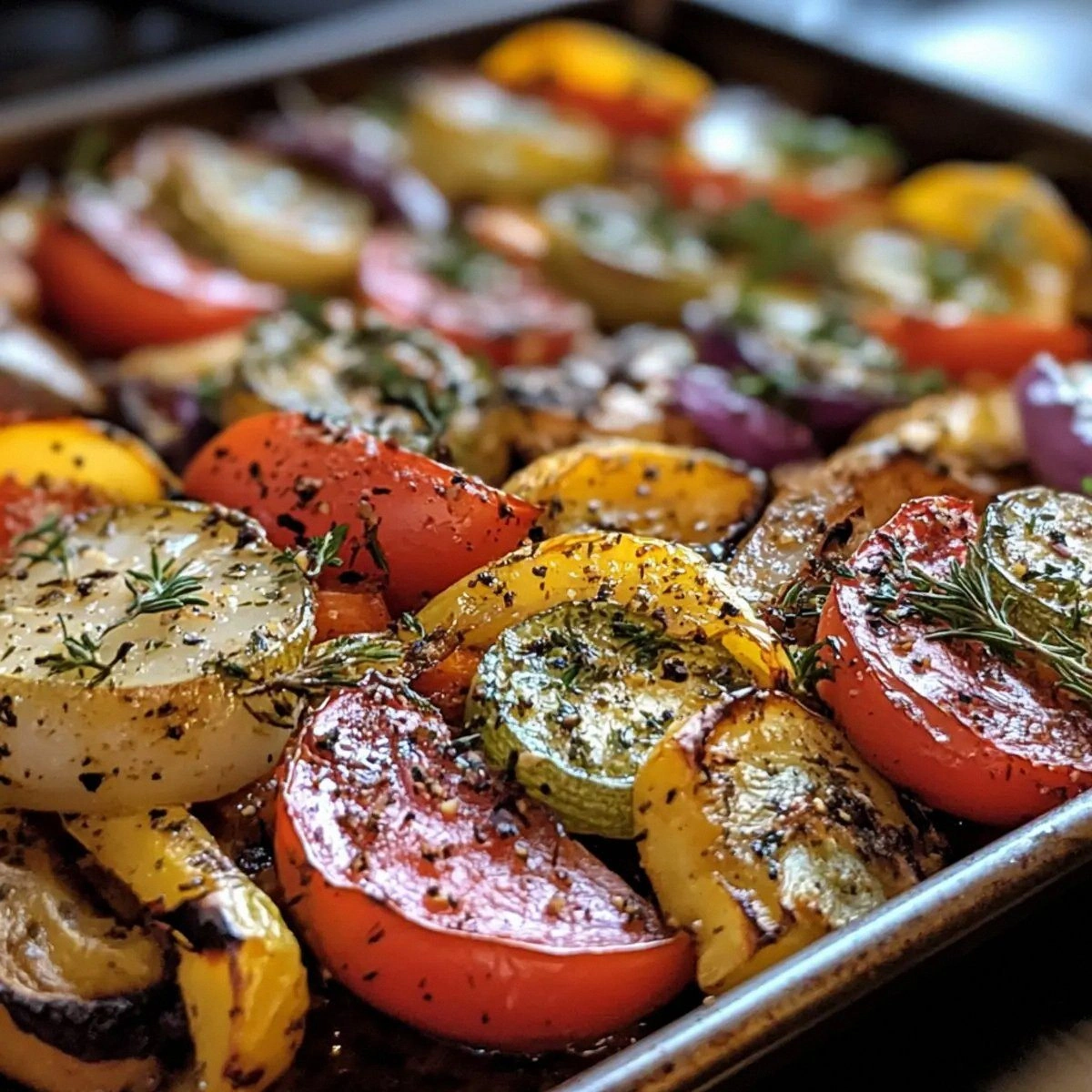
- Preheat your oven to 425°F (220°C). Line a large baking sheet with parchment paper to prevent sticking. This high heat will give the vegetables a beautiful caramelized exterior. I’ve found that a preheated sheet catches the juices early, creating a flavorful base.
- In a large mixing bowl, combine the sliced zucchini, bell pepper strips, halved cherry tomatoes, and minced garlic. Drizzle with 3 tablespoons of extra‑virgin olive oil, ensuring each piece is lightly coated. Toss until the vegetables are evenly coated, allowing the oil to act as a flavor conduit.
- Spread the coated vegetables in a single layer on the prepared baking sheet. Make sure there is space between each piece so they roast rather than steam. Overcrowding can cause uneven cooking and prevent that sought‑after crispy edge.
- Season the vegetables with 1 teaspoon of dried oregano, 3 sprigs of fresh thyme (tossed whole), and a generous pinch of salt and pepper. The thyme will infuse its piney aroma as the vegetables roast. I love to give the pan a gentle shake halfway through to redistribute the flavors.
- Roast in the preheated oven for 15 minutes, then remove the pan and flip each piece to ensure even caramelization. The vegetables should develop golden edges that crackle softly—just enough to indicate a caramelized finish.
- Return the pan to the oven and roast for an additional 10 minutes, or until the zucchini is tender yet still firm. The tomatoes will burst, creating a light, savory sauce that coats the veggies. Keep an eye on the edges; they should look slightly charred but not burnt.
- Remove the pan from the oven and sprinkle 1 cup of Kalamata olives over the vegetables. Their briny flavor will mingle with the roasted veggies, adding a burst of saltiness that balances the dish. The olives also add a pleasing contrast in both color and texture.
- Crumbled feta cheese is added next, followed by a tablespoon of lemon zest. The cheese will begin to melt slightly, creating a creamy coating on the vegetables. The lemon zest adds a bright, citrusy lift that cuts through the richness of the feta.
- Stir gently to combine all the ingredients, allowing the feta to melt into the pan. The mixture should feel slightly oily, with a glossy sheen that glistens in the light. This is the moment of truth—watch the colors come together.
- Finish with a handful of fresh basil leaves, tearing them slightly to release their aromatic oils. This final touch gives the dish a fresh, herbal aroma that lingers on the palate. Let the dish rest for 2 minutes before serving to allow the flavors to meld.
That's it—you did it. But hold on, I've got a few more tricks that'll take this to another level. Keep reading for insider tips that will make this dish even more unforgettable.
Insider Tricks for Flawless Results
The Temperature Rule Nobody Follows
Cooking at a high temperature (425°F) is essential for caramelization, but many people lower the heat to avoid burning. I’ve discovered that a quick preheat for 10 minutes, then a 15‑minute roast, followed by a 5‑minute finish, creates a perfect balance of crispy edges and tender centers. This technique ensures the vegetables develop a golden crust while remaining juicy inside.
Why Your Nose Knows Best
When the tomatoes burst and the vegetables begin to caramelize, the aroma will be unmistakable. Trust your nose—if it smells toasty and slightly sweet, the dish is ready. A common mistake is to rely on the timer alone, which can lead to over‑cooked or under‑cooked vegetables. I’ve learned that the smell is a more reliable indicator of doneness.
The 5‑Minute Rest That Changes Everything
After removing the pan from the oven, let the dish rest for five minutes before serving. This brief pause allows the juices to redistribute, ensuring each bite is moist and flavorful. Skipping this step can result in a slightly dry or unevenly seasoned dish. The rest also lets the feta settle into a creamy coating that’s easier to scoop.
Balance the Brine
Olives are inherently salty, and feta adds another layer of saltiness. If you prefer a milder dish, rinse the olives under cold water before adding them. I’ve found that this subtle adjustment keeps the dish from becoming overly salty while preserving the olive flavor.
Fresh vs. Dried Herbs
Fresh herbs provide a brighter, more vibrant flavor compared to dried. If you’re short on fresh thyme, use half the amount of dried thyme, but add a pinch of fresh oregano at the end to brighten the dish. This trick ensures the dish remains aromatic without overpowering the other flavors.
Creative Twists and Variations
This recipe is a playground. Here are some of my favorite ways to switch things up:
Sun‑Kissed Tomato Variant
Swap cherry tomatoes for sun‑dried tomatoes, rehydrated in olive oil. The sweet, chewy texture adds a new dimension, and the oil infusion intensifies the tomato flavor. This version is perfect for a richer, heartier meal.
Protein‑Packed Power
Add grilled chicken strips or chickpeas to the mix for a protein boost. The added protein makes it a filling main course, ideal for post‑workout recovery. The savory notes of chicken complement the Mediterranean herbs beautifully.
Vegan Vibe
Replace feta with a vegan cheese or a sprinkle of nutritional yeast. Keep the olives and basil for authentic flavor. This variation stays true to the Mediterranean roots while being plant‑based.
Herb‑Infused Cream
Finish with a drizzle of herbed olive oil—mix extra‑virgin olive oil with finely chopped parsley, oregano, and a splash of lemon juice. This adds a silky, aromatic layer that elevates the dish’s complexity.
Spicy Kick
Add a pinch of red pepper flakes or a diced jalapeño to the vegetables before roasting. The heat will contrast the sweet vegetables and bring a lively, fiery note that pairs well with the feta’s tang.
Storing and Bringing It Back to Life
Fridge Storage
Store the cooled dish in an airtight container for up to three days in the refrigerator. The vegetables remain crisp, and the feta stays creamy. When ready to eat, simply reheat in a skillet over medium heat, stirring occasionally.
Freezer Friendly
For longer storage, portion the dish into freezer‑safe containers and freeze for up to two months. Thaw overnight in the refrigerator before reheating. This method preserves the flavor and texture, making it a convenient week‑night option.
Best Reheating Method
Reheat in a skillet over medium heat, adding a splash of water or vegetable broth to create steam. This gentle steaming restores moisture and keeps the feta from drying out. Finish with a squeeze of fresh lemon juice for brightness.