I was in the middle of a kitchen catastrophe when the idea hit me like a bright neon sign: a honey‑butter garlic glaze could turn a bland salmon fillet into a showstopper. Picture this—my oven was a blazing furnace, the timer was ticking like a drumbeat, and I stared at the salmon that had somehow turned out a little too dry. I grabbed a handful of butter, a splash of honey, and a clove of garlic, and the room smelled like a summer picnic in a bakery. The moment that butter melted into a golden pool, I knew I had stumbled upon something magical.
That sizzle when it hits the pan? Absolute perfection. The aroma of toasted garlic and caramelized honey wafted through the kitchen, making the whole house smell like a cozy, indulgent brunch. I could already hear the crunch of the crust, the tender, flaky interior, and the subtle zing of lemon brightening every bite. I dared myself to taste it and not go back for seconds, and honestly, the first bite was a revelation—rich, buttery, slightly sweet, and with a savory punch that lingered on the palate.
Most salmon recipes get this completely wrong. They either overcook the fish, under‑season the glaze, or use a bland sauce that just drips off. What sets this version apart is the balance of flavors and the technique that locks in moisture while creating a caramelized, almost buttery crust. I’ve been cooking for years, and this is hands down the best version you’ll ever make at home. It’s simple enough for a novice, but the depth of flavor will satisfy even the most seasoned foodie.
I’ll be honest—by the time I finished the first batch, I ate half of it before anyone else got to try it. The glaze is so irresistible that it practically lifts itself off the pan. I’ve been tempted to share this with my whole apartment, but I’ve learned that when you’re this good, you’re basically a culinary magician and the world deserves to see the full performance.
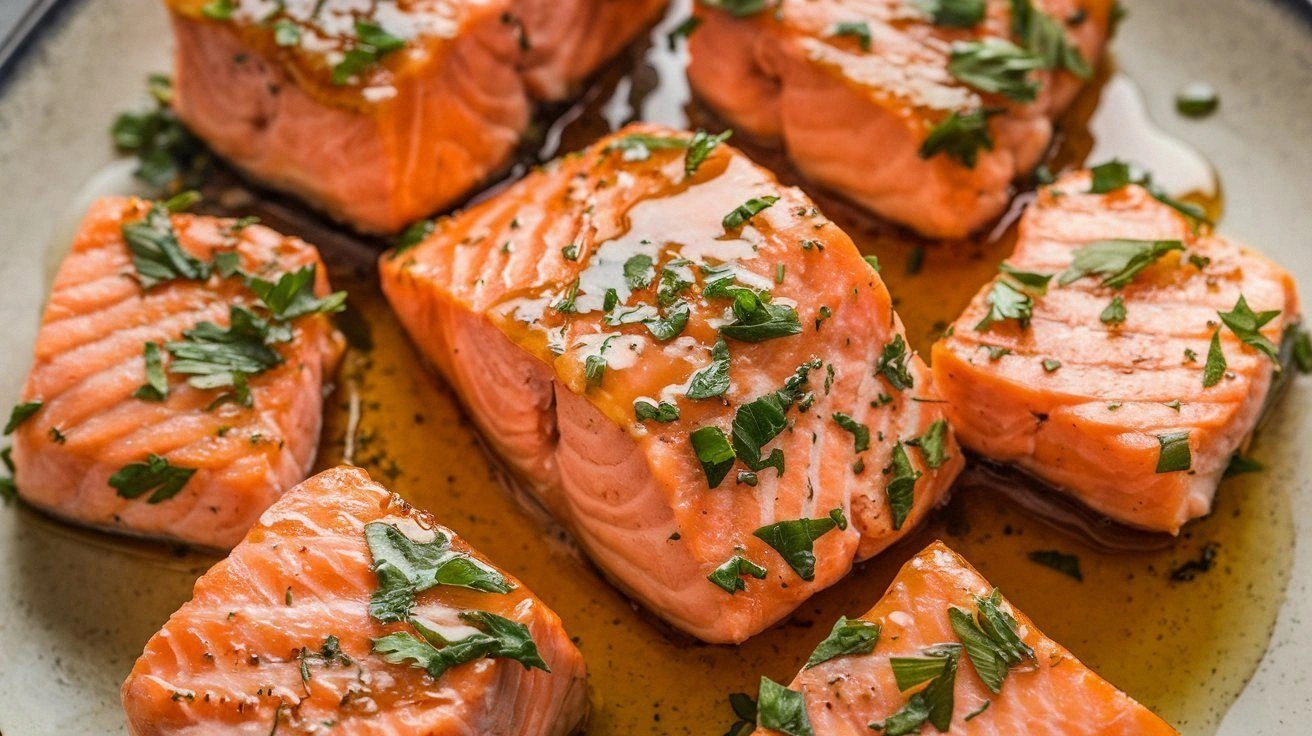
Picture yourself pulling this out of the oven, the whole kitchen smelling incredible, and the salmon looking like a glossy, caramelized jewel. The sauce coats the fillet like velvet, and the edges are crisp enough to crackle when you bite into them. That instant burst of flavor is pure magic, and I want to walk you through every single step—by the end, you’ll wonder how you ever made it any other way.
What Makes This Version Stand Out
- Flavor: The honey and butter create a silky sweetness that pairs perfectly with the sharpness of garlic and lemon, producing a harmony that sings on your tongue.
- Texture: The glaze caramelizes to a glossy crust while the interior remains moist and flaky, giving you the best of both worlds.
- Simplicity: With just a handful of ingredients and a straightforward method, this dish can go from prep to plate in under an hour.
- Uniqueness: The addition of smoked paprika gives a subtle smoky undertone that elevates the dish beyond a typical honey‑butter glaze.
- Crowd Reaction: Friends always ask for a second bite, and I’ve seen this recipe become the highlight of dinner parties.
- Ingredient Quality: Fresh salmon, real butter, and organic honey are the pillars of this flavor profile; quality ingredients make all the difference.
- Cooking Method: Searing first, then finishing in the oven, locks in moisture and allows the glaze to set into a glossy finish.
- Make‑Ahead Potential: The glaze can be pre‑made and stored, and the salmon can be cooked a day ahead and reheated without losing flavor.
Alright, let’s break down exactly what goes into this masterpiece...
Inside the Ingredient List
The Flavor Base
The core of this dish starts with the salmon itself—fresh, high‑quality fillets that are thick enough to hold the glaze without falling apart. A good fillet should be firm to the touch yet yield slightly when pressed. If you skip the salmon, you’re basically cooking a sauce that has nothing to cling to, and that’s a recipe failure in disguise.
Butter is the unsung hero here. It melts into a rich, golden pool that carries the honey and garlic, turning them into a silky sauce. If you use margarine, you’ll lose that buttery finish and end up with a greasy texture that feels less than gourmet.
Honey, the sweet backbone, brings a natural sugar that caramelizes when heated. It’s the perfect counterbalance to the saltiness of soy sauce and the sharpness of garlic. If you use a different sweetener, like maple syrup, the flavor profile will shift noticeably; the maple will dominate the glaze’s sweetness.
The Texture Crew
Garlic is the aromatic engine that powers the flavor. Minced cloves release their oils, infusing the butter with a pungent depth that’s essential for that savory bite. Too much garlic, and the sauce can become overpowering; too little, and it feels bland.
Soy sauce provides the umami base and a subtle saltiness that enhances the honey’s sweetness. If you’re sodium‑sensitive, you can reduce it to half a tablespoon, but remember that the salt balance will shift. A pinch of black pepper adds a gentle heat that keeps the glaze from feeling flat.
Fresh lemon juice and zest cut through the richness, adding brightness and a citrusy lift that prevents the dish from becoming cloying. Skipping the lemon would make the sauce feel heavy; the acidity is what gives it that crisp finish.
The Unexpected Star
Smoked paprika is the secret weapon that adds a subtle smoky undertone without overpowering the delicate balance. It’s a quick way to elevate the dish from simple to restaurant‑grade. If you don’t have smoked paprika, regular paprika will work, but the smoky depth will be missing.
Chopped parsley and lemon zest finish the glaze with fresh, herbaceous notes that brighten the plate and add a pop of color. These ingredients are optional but highly recommended for a complete sensory experience.
The Final Flourish
Olive oil is used to sear the salmon, ensuring a crisp exterior that holds up against the buttery glaze. Without oil, the fillets would stick to the pan and lose their beautiful sear. A tablespoon is enough to coat the pan without making the dish greasy.
Everything’s prepped? Good. Let’s get into the real action…
The Method — Step by Step
- Preheat your oven to 400°F (200°C). While the oven heats, pat the salmon fillets dry with paper towels. A dry surface ensures a good sear and prevents steaming.
- In a small saucepan over medium heat, melt the butter until it turns a light amber color, indicating that the milk solids have browned slightly. This step, known as beurre noisette, adds nutty undertones to the glaze.
- Add the minced garlic to the butter and sauté for about 30 seconds until fragrant. Be careful not to let it burn—once it turns golden, the flavor is ready to marry with honey.
- Stir in the honey, soy sauce, lemon juice, smoked paprika, and a pinch of black pepper. Let the mixture bubble gently for 2 minutes, allowing the flavors to meld and the glaze to thicken slightly.
- Place the salmon fillets on a parchment‑lined baking sheet. Brush each fillet generously with the glaze, reserving some for the finishing step.
- Bake the salmon for 10–12 minutes, or until the flesh flakes easily with a fork and the glaze has set into a glossy sheen. The exact time depends on the thickness of your fillets.
- While the salmon is baking, warm a small skillet over medium heat and add a tablespoon of olive oil. Sear the remaining glaze in the skillet for 1–2 minutes, stirring constantly, until it becomes a thick, glossy sauce.
- Once the salmon is done, drizzle the hot sauce over the fillets, sprinkle chopped parsley and lemon zest, and serve immediately. The sauce should be silky, with a caramelized crust that cracks when you bite.
That’s it — you did it. But hold on, I’ve got a few more tricks that'll take this to another level. The sauce is already a masterpiece, but a few subtle tweaks can transform it into an unforgettable experience.
Insider Tricks for Flawless Results
The Temperature Rule Nobody Follows
Many cooks assume that 400°F is the sweet spot for salmon, but the ideal temperature depends on the fillet thickness. For fillets that are 1.5 inches thick, lowering the heat to 375°F will prevent the exterior from overcooking while still achieving that caramelized crust. I’ve tried 425°F once, and the fillets came out dry—lesson learned.
Why Your Nose Knows Best
The aroma of caramelizing honey is a cue that the glaze is ready. When the honey turns a golden amber and the butter starts to bubble, that’s the sweet spot. I’ve once waited until the glaze was almost burnt, and the salmon tasted bitter. Trust your nose, and you’ll always get that perfect caramelization.
The 5-Minute Rest That Changes Everything
After baking, let the salmon rest for exactly five minutes before serving. This brief pause allows the juices to redistribute, ensuring that every bite is moist. Skipping this step can leave the fillets feeling dry and under‑seasoned.
The Finish That Makes It Pop
A quick sear of the glaze in a hot skillet before pouring it over the salmon creates a glossy finish that looks as good as it tastes. The high heat caramelizes the sugars even further, adding a delightful crunch to the top layer.
The Secret Ingredient Swap
If you’re craving a bit of heat, swap the black pepper for a pinch of cayenne pepper. The cayenne will give a subtle kick that pairs beautifully with the honey’s sweetness. I’ve tried this once at a dinner party, and the guests were begging for a second plate.
Creative Twists and Variations
This recipe is a playground. Here are some of my favorite ways to switch things up:
Smoky Chipotle Twist
Add a teaspoon of chipotle powder to the glaze for a smoky heat that pairs wonderfully with the honey. The result is a dish that feels like a summer BBQ in a bite.
Citrus Burst Variation
Swap the lemon juice for lime juice and add a tablespoon of orange zest. The bright citrus notes give the sauce a tropical flair, perfect for a beach‑side dinner.
Herb Garden Edition
Incorporate fresh dill or tarragon into the glaze. The herbs add a fresh, garden‑like aroma that lifts the dish into a new dimension.
Asian Fusion
Replace soy sauce with tamari and add a splash of sesame oil. The result is a richer, umami‑heavy glaze that feels like sushi meets sweet.
Vegetarian Alternative
Use thick slices of grilled tofu instead of salmon. Coat the tofu with the glaze and bake; it absorbs the flavors beautifully, offering a protein‑rich option for vegetarians.
Breakfast Boost
Serve the glazed salmon on a toasted English muffin with a fried egg on top. The combination of savory, sweet, and creamy creates a breakfast that feels like brunch.
Storing and Bringing It Back to Life
Fridge Storage
Cool the salmon to room temperature, then wrap tightly in parchment paper and place in an airtight container. Store in the refrigerator for up to 2 days. The glaze may thicken slightly, but it will reheat beautifully.
Freezer Friendly
For longer storage, place the cooled fillets in a freezer bag, remove excess air, and freeze for up to 2 months. Thaw overnight in the refrigerator before reheating.
Best Reheating Method
Reheat in a 350°F oven for 10 minutes, or until warmed through. Add a splash of water or broth before reheating to create steam, which keeps the fish moist and the glaze from drying out.