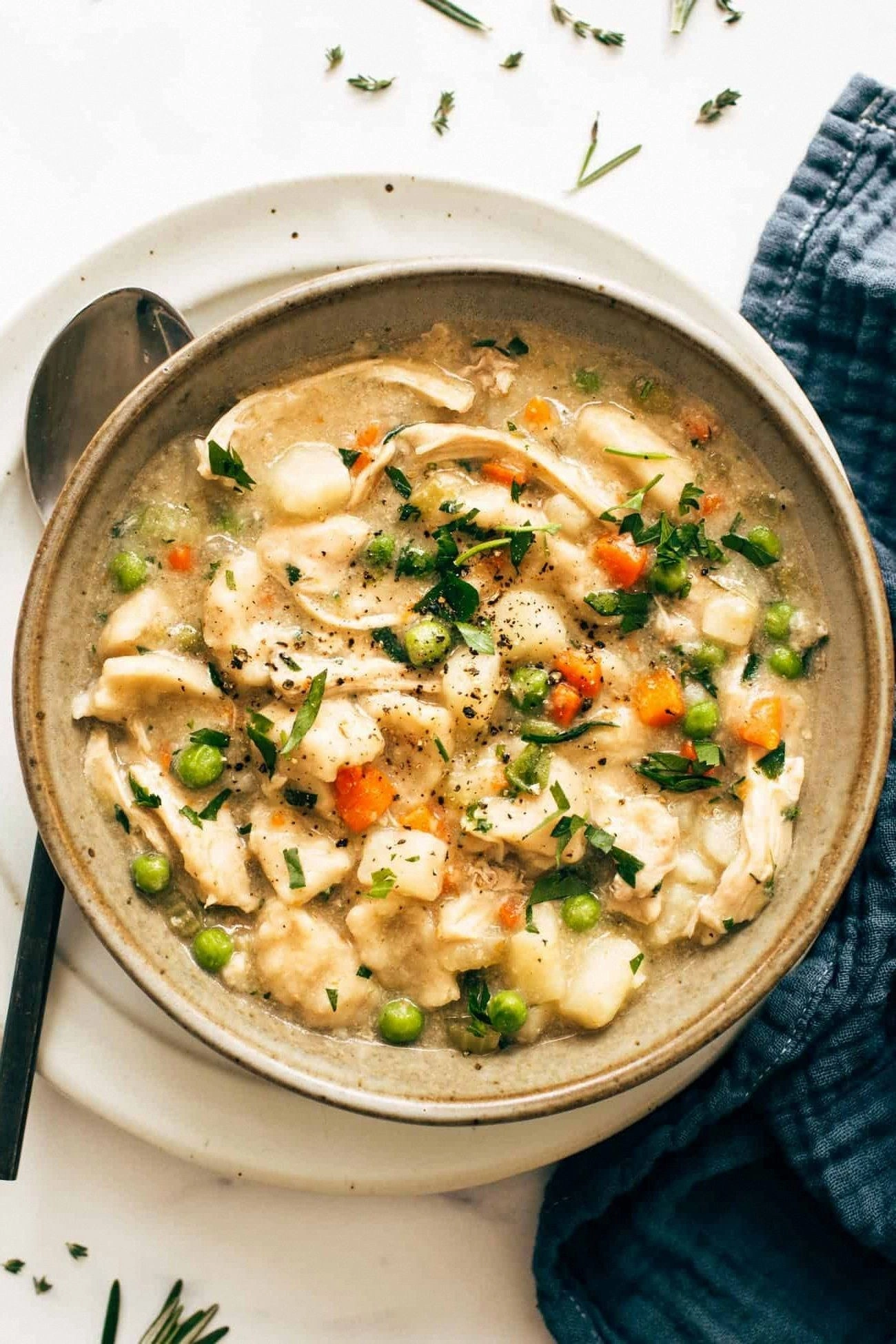
I’ll be honest — I ate half the batch before anyone else got to try it. It started as a lazy Sunday night when I was staring at a pot of chicken broth that had been simmering for an hour, and my mind drifted to the classic comfort of chicken and dumplings. The broth was whispering promises of buttery richness, but the real hero was the mirepoix, silently waiting in the freezer. I tossed it in, added a few chicken thighs, and then, in a moment of reckless inspiration, I grabbed a box of pre‑made biscuits, thinking “they’ll puff up like clouds”. That daring move turned out to be the game‑changer.
Picture this: the kitchen fills with the aroma of garlic‑softened carrots and the earthy perfume of celery, each breath feels like a warm hug from grandma’s house. The sound of the Instant Pot’s pressure valve hissing is the soundtrack to a culinary adventure, and the first bite? Silky broth hugging tender chicken, with dumplings that melt in your mouth like a cloud caught in a summer rain. The potatoes, chunked just right, absorb the broth and become buttery pillows that make you wonder how you ever settled for plain mashed potatoes again.
Most recipes get this completely wrong. They either over‑cook the chicken, turning it into a dry, stringy mess, or they skimp on the dumpling texture, leaving you with a soggy, rubbery disappointment. My version, however, hits the sweet spot: the Instant Pot locks in moisture, the chicken stays juicy, and the biscuits transform into fluffy dumplings that are airy yet substantial. And the best part? It’s unbelievably simple—no kneading, no flour‑dusty countertops, just a handful of steps and a pot that does all the heavy lifting.
I dare you to taste this and not go back for seconds. The secret? A splash of chicken broth added at the very end, and a quick “poultry seasoning” swirl that brings the whole dish together like a symphony of savory notes. Let me walk you through every single step — by the end, you’ll wonder how you ever made it any other way.
What Makes This Version Stand Out
- Flavor: The mirepoix creates a foundation that’s deeper than any store‑bought stock, layering sweet carrots, peppery celery, and aromatic onion for a broth that coats the chicken like velvet.
- Texture: The biscuit‑based dumplings puff up into cloud‑like pillows, while the potatoes stay firm‑but‑tender, delivering a satisfying bite after every spoonful.
- Simplicity: No dough‑kneading, no separate stovetop simmer—just dump everything into the Instant Pot and let pressure do the magic.
- Uniqueness: Using pre‑made biscuits as dumplings is a shortcut most cooks overlook; it saves time and guarantees a consistent fluffy result.
- Crowd Reaction: Friends and family proclaim it “the best comfort food they’ve ever had,” and you’ll hear the same enthusiastic chorus at every dinner table.
- Ingredient Quality: Fresh chicken thighs bring richness, while the mirepoix (frozen or fresh) ensures every spoonful bursts with vegetable goodness.
- Cooking Method: Pressure cooking intensifies flavors and reduces cooking time to under an hour, making it perfect for busy weeknights.
- Make‑Ahead Potential: This dish reheats beautifully; the dumplings stay pillowy, and the broth only gets richer after a night in the fridge.
Inside the Ingredient List
The Flavor Base
Mirepoix is the silent hero of any soup or stew. It’s a trio of carrots, celery, and onion that creates a savory backbone, turning plain water into a broth that sings. If you skip it, you’ll end up with a watery, one‑dimensional dish that lacks depth. I always recommend the frozen mix because it’s pre‑chopped, saving you precious prep time, and the vegetables retain their natural sweetness after being flash‑frozen. For a fresher twist, use baby carrots and thinly sliced leeks; the flavor will be brighter, but the prep will take a few extra minutes.
The Protein Powerhouse
Chicken thighs are the unsung champions of comfort cooking. Their higher fat content compared to breasts means they stay moist under pressure, delivering that succulent bite that makes the broth rich and unctuous. If you’re watching fat intake, you can substitute skinless thigh meat, but don’t be surprised if the broth feels a bit thinner. When shopping, look for thighs with a little pinkish hue and firm flesh—this indicates freshness and will translate into a more flavorful dish.
The Texture Crew
Potatoes are the “body builder” of this recipe. They absorb the broth, swelling with flavor while maintaining a pleasant bite. Use Yukon Gold or red potatoes for a buttery interior; Russets can become too fluffy and fall apart. If you accidentally use a waxy variety, the potatoes will hold their shape but won’t soak up as much broth, leaving a slight textural imbalance. Peas add a pop of sweetness and a burst of color, balancing the earthiness of the mirepoix.
The Unexpected Star
Pre‑made biscuits are the secret weapon that turns a regular chicken stew into glorious dumplings. Their dough is already leavened, so when they hit the hot broth under pressure, they puff up like tiny clouds, creating that coveted “dumpling” texture without any kneading. If you’re feeling adventurous, try a herb‑infused biscuit for an extra layer of flavor. In a pinch, you can substitute biscuit dough with store‑bought pizza dough, but the texture will be denser.
The Final Flourish
Chicken broth is the liquid gold that ties everything together. Using a high‑quality broth (or homemade stock) ensures a deep, savory base that doesn’t taste artificial. If you’re on a budget, a low‑sodium store‑bought broth works fine, but add a splash of soy sauce or a dash of Worcestershire for depth. Poultry seasoning is the aromatic glue—its blend of sage, thyme, and rosemary lifts the entire dish, making each bite feel like a warm hug from a seasoned chef.
Everything's prepped? Good. Let's get into the real action…
The Method — Step by Step
Press the “Sauté” button on your Instant Pot and let it heat up for about a minute. Add a splash of oil, then toss in the frozen mirepoix. Listen for that sizzle; it should sound like a gentle crackle, not a roar. Cook for 3‑4 minutes, stirring occasionally, until the vegetables soften and release their sweet aroma. This is the moment where the flavor foundation forms, so don’t rush it.
Now, add the chicken thighs, skin side down, and let them brown for 2‑3 minutes on each side. The browning creates caramelized bits that will later dissolve into the broth, giving it a richer color and deeper taste. If you notice the pot getting too dry, add a splash of broth to deglaze. Watch out: Avoid overcrowding the pot; you want each piece to make contact with the surface for optimal browning.
Add the diced potatoes, peas, and the measured chicken broth. Sprinkle the poultry seasoning evenly, then give everything a quick stir to combine. The broth should just cover the ingredients—if it looks a bit shy, add a quarter cup more. This is where the pressure cooker will work its magic, turning raw potatoes into buttery clouds in minutes.
Seal the lid, ensure the valve is set to “Sealing”, and select “Manual” high pressure for 10 minutes. While the pot builds pressure, you can prep the biscuits. Kitchen Hack: Cut each biscuit into quarters; smaller pieces will expand more uniformly, creating pillowy dumplings that are perfectly sized for each spoonful.
When the timer dings, perform a quick release for 5 minutes, then switch to natural release for the remaining 5 minutes. This staged release prevents the dumplings from bursting out of the pot, preserving their airy texture. You’ll hear a gentle hiss as the pressure eases, and the lid will lift to reveal a pot of steaming, fragrant broth.
Open the lid and gently stir in the biscuit quarters. The residual heat and pressure will cause them to puff up within 2‑3 minutes. Keep the lid slightly ajar to monitor the expansion; you want them fluffy, not over‑cooked to a mushy state. Watch Out: If you stir too vigorously, the dumplings can break apart, turning the broth into a thick, doughy mess.
Taste the broth and adjust seasoning with a pinch of salt or extra poultry seasoning if needed. The flavor should be robust, with a hint of herbal earthiness that lingers on the palate. This is your chance to fine‑tune—remember, the broth will mellow a bit as it sits, so err on the side of slightly bold.
Serve hot, ladling generous portions of broth, chicken, potatoes, peas, and a few dumplings into each bowl. Garnish with a sprinkle of fresh parsley if you like a pop of color. Picture yourself pulling this out of the pot, the whole kitchen smelling incredible, and everyone reaching for seconds. That’s the magic we were aiming for.
That's it — you did it. But hold on, I've got a few more tricks that'll take this to another level. Trust me, the next steps are pure magic and will make your leftovers taste even better.
Insider Tricks for Flawless Results
The Temperature Rule Nobody Follows
Even though the Instant Pot handles heat automatically, I always let the pot sit on “Keep Warm” for an extra five minutes before opening. This gentle residual heat allows the dumplings to finish puffing without over‑cooking. A friend once skipped this step and ended up with dumplings that felt a little rubbery—lesson learned.
Why Your Nose Knows Best
When the broth starts to smell nutty and aromatic, that’s your cue that the poultry seasoning has fully infused. Trust that scent; it’s a more reliable indicator than a timer. If the scent is faint, give it another minute on “Sauté” and let the flavors deepen.
The 5‑Minute Rest That Changes Everything
After serving, let the leftovers rest for five minutes with the lid loosely placed on top. This short rest lets the starches in the potatoes and dumplings settle, preventing a watery spoonful. I once rushed to reheat leftovers and got a soupy mess; now I always respect the rest period.
Seasoning Layering Hack
Add half of the poultry seasoning at the start, and the other half just before serving. This double‑layer approach builds flavor depth without overwhelming the palate. The early addition flavors the broth, while the final sprinkle brightens the dish right before it hits your mouth.
The “Cold Splash” Reheat Trick
When reheating leftovers, add a splash of cold water or broth before microwaving. The sudden temperature shift creates steam that revives the dumplings, preventing them from drying out. I tried reheating without this trick once, and the dumplings turned into chewy bricks—never again.
Creative Twists and Variations
This recipe is a playground. Here are some of my favorite ways to switch things up:
Herb‑Infused Biscuit Dumplings
Add a tablespoon of chopped rosemary or thyme to the biscuit dough before cutting. The herbs infuse the dumplings with an earthy perfume that pairs beautifully with the poultry seasoning.
Spicy Kick
Stir in a teaspoon of smoked paprika or a dash of cayenne pepper with the broth. The heat adds a subtle warmth that cuts through the richness, perfect for chilly evenings.
Creamy Coconut Twist
Replace half the chicken broth with coconut milk for a tropical, creamy version. The coconut’s sweetness balances the savory broth, turning the dish into a fusion comfort food.
Mushroom Medley
Add a cup of sliced cremini or shiitake mushrooms when you sauté the mirepoix. The mushrooms deepen the umami profile and give the stew an earthy robustness.
Cheesy Overload
Stir in a half‑cup of shredded cheddar or Gruyère after the dumplings have puffed. The cheese melts into the broth, creating a velvety texture that’s pure indulgence.
Storing and Bringing It Back to Life
Fridge Storage
Cool the stew to room temperature, then transfer it into airtight containers. It will keep for up to four days. When reheating, add a splash of broth and gently stir over medium heat until everything is hot and the dumplings regain their fluffiness.
Freezer Friendly
Portion the stew (without the biscuits) into freezer‑safe bags, leaving a little headspace. Freeze for up to three months. Thaw overnight in the fridge, then add fresh biscuit pieces and re‑press for 5 minutes on high pressure for an instant fresh batch.
Best Reheating Method
For the ultimate texture, reheat on the stovetop over low heat, stirring occasionally, and finish with a tablespoon of water or broth. This steam‑infused method revives the dumplings without turning them gummy.