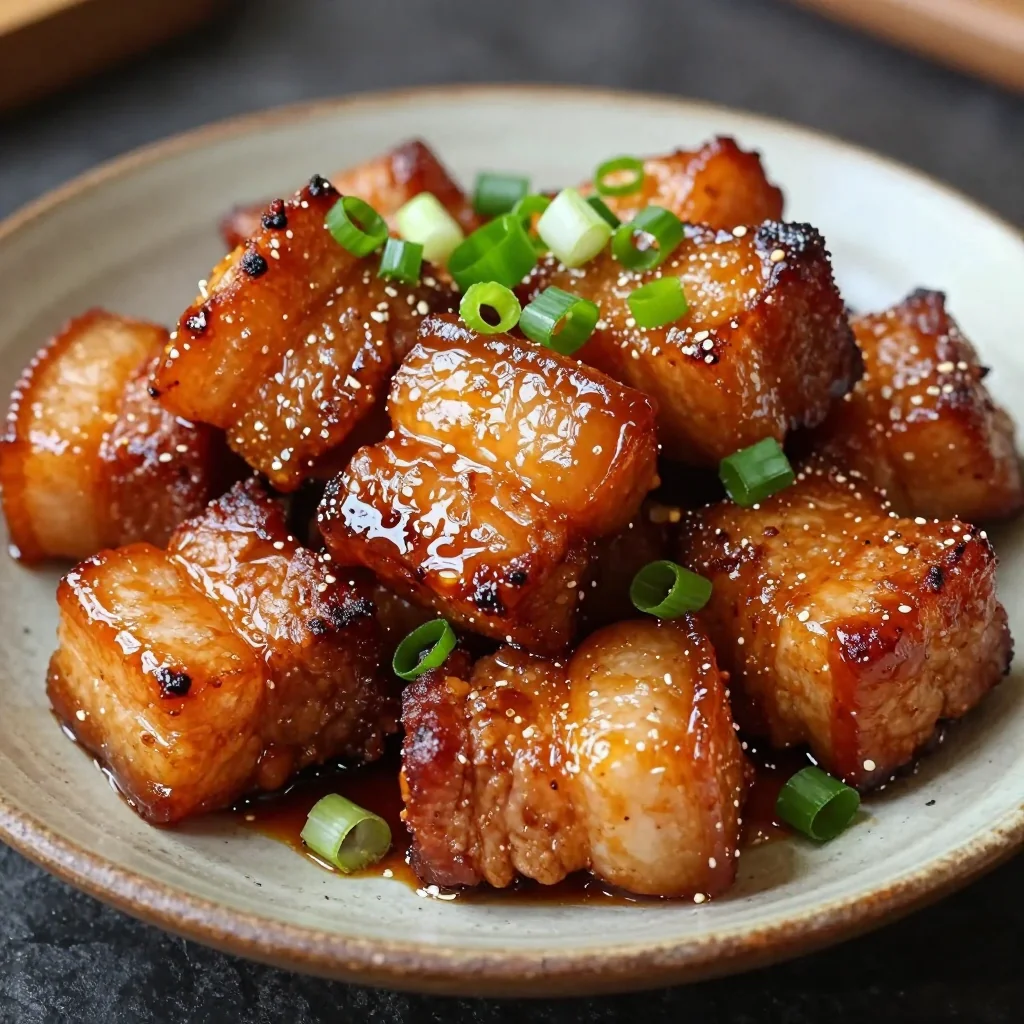
It started with a midnight craving and a kitchen that was a battlefield of burnt sauces. I had just finished a week of bland takeout and my fridge was a lonely island of fresh produce. I grabbed a pound of pork tenderloin, a jar of soy sauce, and a handful of pantry staples, then shouted, “I’m going to make the best Char Siu bites ever.” The moment the meat hit the pan, a hiss of steam and a sweet, smoky aroma flooded the room, turning my living room into a makeshift dim sum stall.
The first bite was a revelation: the pork was tender, the glaze thickened into a caramelized crust, and the subtle hint of five‑spice danced on the tongue like a secret. The kitchen smelled like a Chinese bakery, the sizzling sound was music, the texture was a blend of crisp edges and melt‑in‑your‑mouth meat, and the sweet‑savory flavor profile was a full‑bodied orchestra. I could almost taste the faint citrus from the rice vinegar and the nutty undertones of sesame oil, all wrapped in a glossy, irresistible coating. I knew instantly that this version would outshine every other Char Siu recipe I’d tried.
What sets this version apart is the careful balance of sweet and savory, the precise timing that locks in juices, and the use of pantry staples that elevate the flavor without complicating the process. I’ve stripped away any unnecessary steps, keeping the recipe lean but packed with depth. The glaze forms a glossy, caramelized shell that crackles slightly when it meets the heat, while the meat stays juicy inside. The result is a bite‑sized masterpiece that feels indulgent yet approachable.
And here’s a teaser: the secret to that perfect, caramelized crust is a quick, high‑heat sear that locks in the glaze before it has a chance to burn. Let me walk you through every single step—by the end, you’ll wonder how you ever made it any other way.
What Makes This Version Stand Out
- Flavor: The combination of soy sauce, honey, and hoisin creates a sweet‑savory glaze that coats the pork like velvet, while the five‑spice powder adds a warm, aromatic depth that is unmistakably Chinese.
- Texture: The quick sear at the end gives a crisp, caramelized exterior that shatters like thin ice when you bite into it, while the interior remains silky and juicy.
- Ingredient Quality: Using a fresh pork tenderloin ensures the meat stays tender, and choosing a high‑quality soy sauce brings a richer umami base.
- Cooking Method: The two‑stage process—marinating, then roasting with a final glaze—maximizes flavor while keeping the prep time short.
- Make‑ahead Potential: The marinated pork can be prepared up to 24 hours in advance, allowing you to pop it in the oven at the last minute for a quick, crowd‑pleasing appetizer.
- Visual Appeal: The glossy finish and caramelized edges turn a simple bite into a showstopper that will have guests asking for the recipe.
- Versatility: The glaze works well on other proteins, and the bite‑size format is perfect for parties, game nights, or a quick snack.
- Health Conscious: With minimal added fats and a natural sweetener, this dish is a healthier take on traditional Char Siu.
Alright, let's break down exactly what goes into this masterpiece...
Inside the Ingredient List
The Flavor Base
Soy sauce is the backbone of any Char Siu glaze, providing a deep, umami-rich foundation that balances the sweetness of honey and the savory depth of hoisin sauce. It also contributes to the glossy, caramelized finish that makes the pork look as good as it tastes. If you’re looking for a lower‑sodium alternative, opt for a reduced‑sodium soy sauce, but be prepared to add a pinch of salt afterward to keep the flavor balanced.
Honey is the sweetener that gives the glaze its silky texture and helps it caramelize without burning. The floral notes in honey also contrast nicely with the earthy five‑spice powder. If you’re avoiding honey, a small amount of maple syrup or agave nectar can work, but the final flavor will shift slightly toward a more pronounced maple or agave tone.
Hoisin sauce adds a sweet, tangy, slightly spicy dimension that is characteristic of many Cantonese dishes. It also thickens the glaze, giving it that desirable viscosity. If you don’t have hoisin on hand, a mix of soy sauce, a dash of peanut butter, and a touch of brown sugar can mimic its flavor profile.
The Texture Crew
Rice vinegar balances the sweetness with a subtle acidity that brightens the overall flavor, preventing the glaze from becoming cloying. It also helps tenderize the meat slightly during the marination process. If you’re out of rice vinegar, apple cider vinegar is a decent substitute, though it will bring a slightly fruitier note.
Five‑spice powder is the star that delivers warmth and complexity. It’s a blend of star anise, cloves, Sichuan peppercorns, cinnamon, and fennel, providing a subtle sweetness and aromatic spice that lingers on the palate. If you can’t find five‑spice, a mix of cinnamon, star anise, and a pinch of Sichuan peppercorn or black pepper will approximate its flavor.
The Unexpected Star
Garlic and ginger are the unsung heroes that cut through the richness of the glaze, adding a fresh, zesty bite. Minced garlic releases its full flavor when cooked, while grated ginger provides a bright, peppery heat that elevates the dish. If you prefer a milder version, reduce the garlic to 2 cloves and the ginger to ½ teaspoon.
Sesame oil is the finishing touch that brings a nutty aroma and glossy sheen to the glaze. It also helps the glaze adhere to the meat, creating that coveted caramelized crust. A drop of toasted sesame oil can replace a tablespoon if you’re watching your fat intake; the flavor will still be present, just less pronounced.
The Final Flourish
Pork tenderloin is the ideal cut for this recipe—lean, tender, and quick to cook. It absorbs the flavors of the glaze while retaining its moisture, resulting in a juicy bite. If you’re looking for a budget alternative, pork shoulder can work, but it will require a longer cooking time and may become slightly fattier.
Everything's prepped? Good. Let's get into the real action...
The Method — Step by Step
- Marinate the Pork: Trim the pork tenderloin of any silver skin and cut it into bite‑sized cubes, about 1.5 inches each. In a bowl, whisk together ½ cup soy sauce, ¼ cup honey, 2 tablespoons hoisin sauce, 2 tablespoons rice vinegar, 1 teaspoon five‑spice powder, 3 cloves minced garlic, 1 teaspoon grated ginger, and 2 teaspoons sesame oil. Toss the pork cubes in the glaze until fully coated, cover, and refrigerate for at least 30 minutes—ideally 2 hours or overnight for deeper flavor.
- Preheat the Oven: Set your oven to 400°F (200°C). A high heat is crucial for the caramelization process; it allows the glaze to form a crisp, golden crust without drying out the pork.
- Arrange the Pork: Spread the marinated pork cubes in a single layer on a baking sheet lined with parchment paper. Make sure the pieces are not touching; this ensures even cooking and helps the glaze set properly.
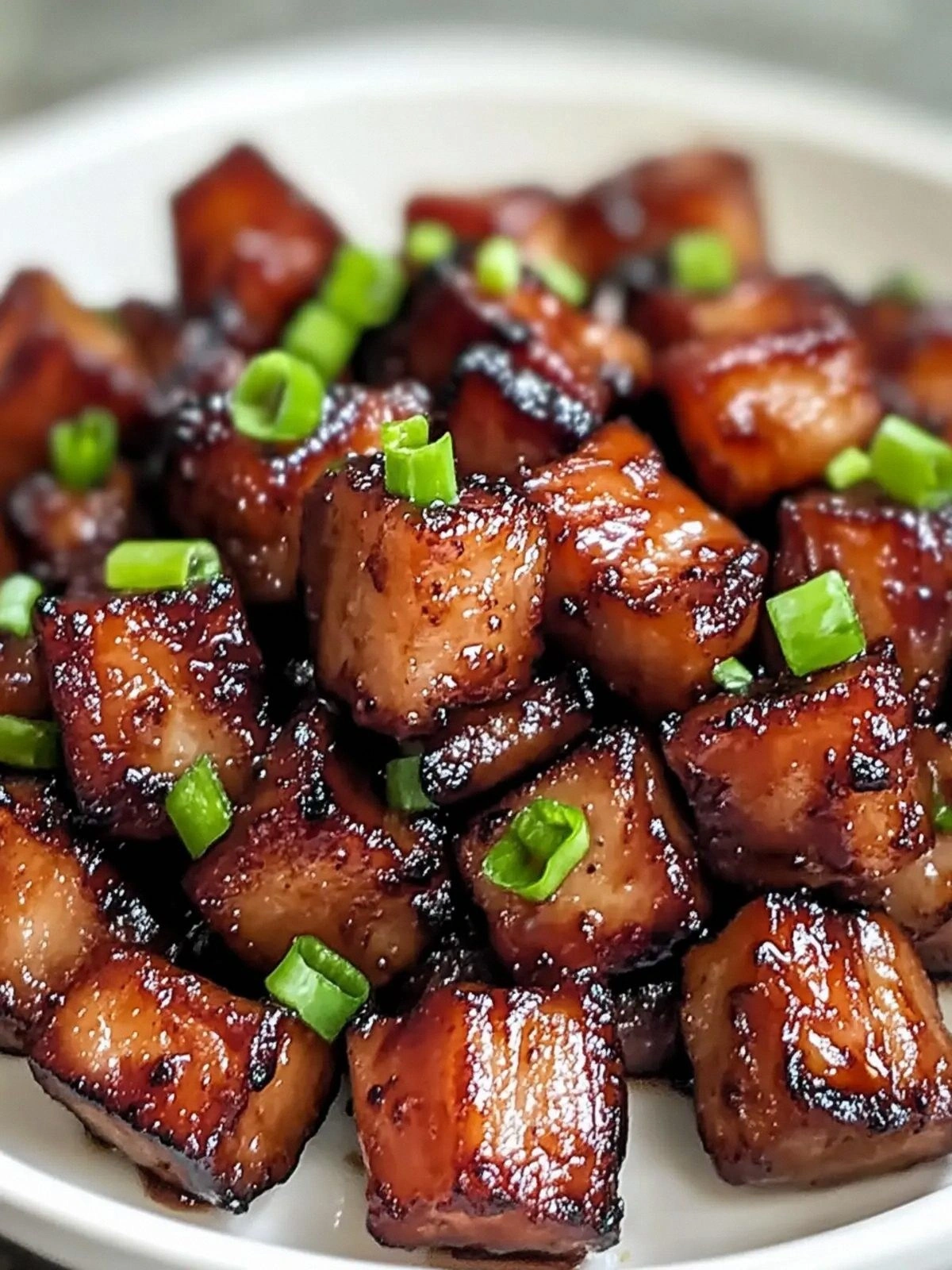
- Roast: Place the sheet in the oven and roast for 15 minutes. After 15 minutes, remove the sheet, flip the pork cubes, and drizzle a thin layer of fresh glaze over the top. Return to the oven for another 10 minutes, or until the pork is cooked through and the glaze has thickened into a glossy, caramelized coating.
- Check for Doneness: The internal temperature of the pork should reach 145°F (63°C). The glaze should be thick, glossy, and slightly caramelized, with a faint crackle when it hits the heat again. If it’s not quite there, give it another 2 minutes.
- Rest: Remove the pork from the oven and let it rest for 5 minutes. This allows the juices to redistribute, ensuring each bite stays moist and tender.
- Serve: Transfer the pork cubes to a serving platter. Garnish with a sprinkle of toasted sesame seeds and a few fresh cilantro leaves for a pop of color and freshness. Serve immediately while the glaze is still warm and glossy.
That's it — you did it. But hold on, I've got a few more tricks that'll take this to another level...
Insider Tricks for Flawless Results
The Temperature Rule Nobody Follows
Many people bake Char Siu at a lower temperature, thinking it will keep the meat from drying out. In reality, a high heat (400°F) is essential for caramelization. If you lower the temperature, the glaze will remain syrupy and the pork may end up rubbery. Stick to the 400°F mark for that perfect crust.
Why Your Nose Knows Best
Before you even take the pork out of the oven, smell the glaze. It should have a sweet, umami aroma with a hint of citrus. If it smells overly vinegary or too sweet, adjust by adding a splash of soy sauce or a pinch of honey. Your nose is your best judge of flavor balance.
The 5‑Minute Rest That Changes Everything
Resting the pork after baking might seem trivial, but it’s the secret to juicy bites. During the rest period, the juices redistribute, preventing them from spilling out when you cut into the meat. If you skip this step, you’ll end up with a drier texture.
Glaze Consistency Matters
If your glaze is too runny, it will pool on the bottom of the baking sheet and not adhere to the pork. To thicken it, simmer the glaze in a small saucepan over low heat for 2–3 minutes, stirring constantly. This step ensures a glossy coating that sticks.
Use Fresh Ingredients for the Best Flavor
The quality of the pork and the freshness of the garlic and ginger will dramatically affect the final taste. Fresh pork gives a cleaner flavor and a better texture. Fresh garlic and ginger bring bright, sharp notes that cut through the richness of the glaze.
Keep the Marinade Simple
Adding too many spices or sauces can overwhelm the pork. Stick to the core ingredients, and if you want to experiment, add a pinch of chili flakes or a splash of lime juice after roasting to give it a new dimension.
Creative Twists and Variations
This recipe is a playground. Here are some of my favorite ways to switch things up:
Spicy Sriracha Char Siu
Add a tablespoon of sriracha to the glaze for a fiery kick. The heat pairs beautifully with the sweet glaze, creating a complex flavor profile that’s perfect for a spicy appetizer.
Vegetarian Tofu Bites
Replace the pork with firm tofu cubes marinated in the same glaze. Bake until the tofu is golden and slightly crispy on the edges. The tofu absorbs the sauce well, offering a plant‑based alternative.
Smoky Chipotle Version
Infuse the glaze with a teaspoon of chipotle powder for a smoky, earthy undertone. The chipotle pairs nicely with the sweet and savory elements, giving the dish a deeper, more complex flavor.
Herb‑Infused Variation
Add a tablespoon of chopped fresh rosemary or thyme to the glaze. The herbs bring a fragrant, earthy aroma that complements the five‑spice and enhances the overall depth.
Asian Slaw Side
Serve the pork bites over a crunchy Asian slaw made with shredded cabbage, carrots, and a light sesame‑ginger dressing. The slaw adds a fresh crunch that balances the rich, caramelized pork.
Glazed Chicken Skewers
Use the same glaze on bite‑sized chicken pieces and thread them onto skewers for a fun, portable version. The chicken takes on a similar glossy finish, making it a crowd‑pleaser at any gathering.
Storing and Bringing It Back to Life
Fridge Storage
Store leftovers in an airtight container in the refrigerator for up to 3 days. The glaze will thicken slightly, so a quick reheating in a microwave or oven will revive the glossy coating.
Freezer Friendly
For longer storage, freeze the pork in a single layer on a parchment‑lined tray, then transfer to a freezer bag. This method prevents the pieces from sticking together. Freeze for up to 2 months.
Best Reheating Method
Reheat frozen or refrigerated pork in a 350°F oven for 10–12 minutes, or until warmed through. If the glaze feels dry, add a splash of water or a drizzle of sesame oil before reheating to steam it back to perfection.