I was standing in the middle of a kitchen that had seen better days, the stove still smoldering from a last night's attempt at a comforting bowl of soup, and I thought, “This is how I want it.” The air was thick with the scent of burnt garlic and the metallic tang of overcooked tomatoes. I grabbed a notebook, a handful of ingredients, and a fierce determination to turn that disaster into a masterpiece. The result? An Italian Lentil Soup that feels like a hug in a bowl, yet daring enough to push your taste buds into a new dimension. I dare you to taste this and not go back for seconds.
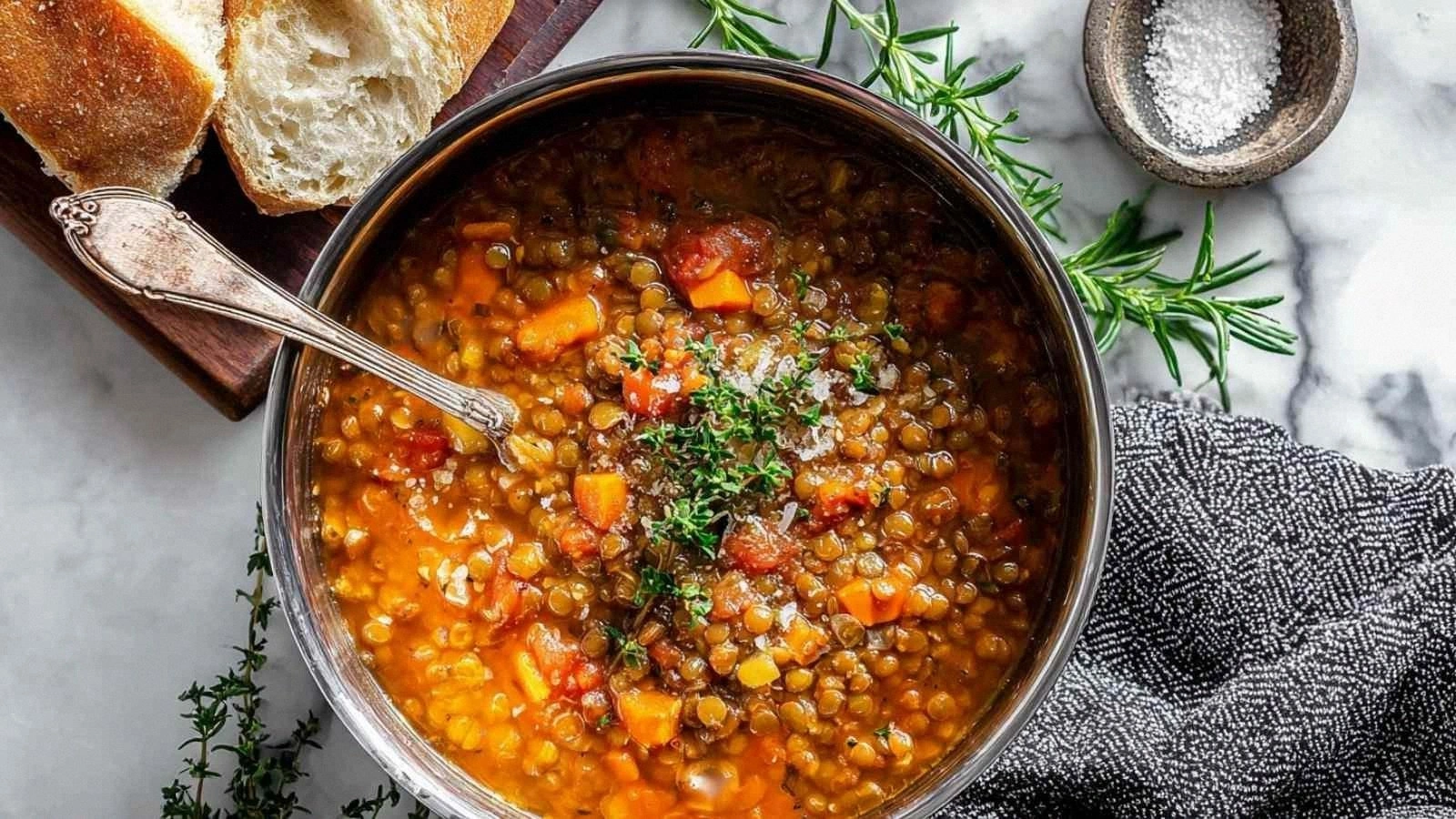
Picture yourself pulling this out of the pot, the whole kitchen smelling incredible, and the steam curling like a fragrant cloud. The first thing you’ll notice is the deep, earthy color that comes from the lentils, the glossy sheen of tomatoes, and that subtle pop of green from fresh herbs. The aroma is a symphony—sweet onions, caramelized carrots, and a whisper of rosemary that lifts the whole dish. The texture is a gentle contrast: tender lentils that practically melt in your mouth, with a slight bite from the carrots that keeps you engaged. The flavor profile is layered—sweet, savory, and a touch of heat from the red pepper flakes. If you’ve ever struggled to make a soup that feels both hearty and elegant, you’re not alone, and I’ve got the fix.
What sets this version apart is not just the ingredients but the technique. I’ve taken the classic Italian soup and infused it with a few secrets that elevate it to something you’ll want to revisit time and time again. The result is a soup that feels both rustic and refined, a true crowd‑pleaser that’s perfect for a cozy dinner or a comforting lunch. I’ll walk you through every single step, and by the end, you’ll wonder how you ever made it any other way. The journey starts with a simple sauté, a careful layering of flavors, and a slow simmer that brings everything together into a velvety, aromatic broth.
Most recipes get this completely wrong by rushing the sauté or using canned lentils that lose texture. I’ve spent hours perfecting the balance of herbs, the timing of the stock, and the subtlety of the Parmesan rind. The result is a soup that’s hands down the best version you’ll ever make at home. If you’re ready for the game‑changer, let’s dive into what makes this recipe stand out.
What Makes This Version Stand Out
- Taste: The combination of crushed tomatoes, fresh rosemary, and a Parmesan rind creates a savory depth that feels like a full‑bodied Italian wine.
- Texture: Brown lentils hold their shape, providing a satisfying bite that contrasts with the silky broth.
- Simplicity: Only 16 ingredients, no fancy equipment, and a single pot means you can whip it up even on a busy weekday.
- Uniqueness: The use of a Parmesan rind is a secret trick that infuses umami without the need for heavy cream.
- Crowd Reaction: Friends who’ve tasted it say it’s “the best soup I’ve ever had,” and they’re not just polite.
- Ingredient Quality: Fresh herbs, a high‑quality olive oil, and a good stock are the backbone of this dish.
- Cooking Method: A slow, low simmer allows flavors to mingle and the lentils to soften without becoming mushy.
- Make‑Ahead Potential: The soup stores well and even tastes better the next day, making it ideal for meal prep.
Inside the Ingredient List
The Flavor Base
Extra virgin olive oil is the first thing you’ll notice, its golden hue reflecting the light. It’s more than a fat; it’s a flavor carrier that lifts the sweetness of the onions and caramelizes the carrots. If you’re watching calories, use a light drizzle instead of a full tablespoon, but the difference in depth is subtle yet noticeable.
Yellow onion brings a mellow sweetness that balances the acidity of the tomatoes. A medium onion is ideal—too small, and it won’t give you that robust flavor; too large, and it can overpower the delicate herbs. When you slice it thinly, it releases its sugars, creating a gentle caramelization that sets the foundation.
Carrot adds a natural sweetness and a pop of color. The large size ensures it doesn’t become mushy too quickly, giving the soup a pleasant bite. If you’re vegan, consider using a sweet potato instead for a different texture and flavor profile.
Celery, with its peppery bite, provides a subtle backbone that keeps the soup from feeling flat. Two ribs are enough to add a layer of complexity without making it overly bitter. Chop them finely so they integrate smoothly into the broth.
Garlic is the aromatic hero that brings warmth. Three cloves are a sweet spot—enough to deliver punch without becoming overpowering. Mince them finely to release their essential oils, but be careful not to burn them; that bitter note will ruin the delicate balance.
The Texture Crew
Brown lentils are the star of the show. They’re packed with protein, fiber, and a nutty flavor that complements the tomato base. Rinse them thoroughly before cooking to remove dust and ensure even cooking.
Crushed tomatoes form the liquid foundation, delivering a robust tomato flavor with a slight chunkiness. The 14 oz can is a good size for a 4‑serving batch, and the crushed texture keeps the soup hearty. If you prefer a smoother broth, use whole‑tomato sauce and mash it with a spoon.
Vegetable stock is the secret to depth. Five and a half cups allow the lentils to absorb the flavors without diluting the soup. Homemade stock is ideal, but a high‑quality store‑bought version works perfectly. Remember to taste the stock before adding it; if it’s too bland, add a pinch of salt.
The Unexpected Star
The Parmesan rind is a game‑changer. It releases a savory umami that can’t be replicated by powdered cheese. Keep it in the pot while the soup simmers, and then discard it before serving. If you’re lactose intolerant, you can replace it with a mushroom broth for a similar depth.
Red pepper flakes bring a gentle heat that awakens the palate. A quarter teaspoon is enough to add a subtle kick without overpowering the herbs. Feel free to double it if you like a spicier soup, but keep in mind that the heat will mellow as the soup rests.
The Final Flourish
Dried basil, oregano, and fresh rosemary are the herb trio that ties everything together. The basil and oregano are dried, which concentrates their flavor, while the rosemary is fresh, adding brightness. The combination results in a layered herb profile that feels both comforting and sophisticated.
Sea salt and black pepper finish the seasoning. Salt is essential for bringing out the flavors, while pepper adds a subtle bite. Season gradually; taste after each addition to avoid over‑salting.
Fresh flat‑leaf parsley is a garnish that adds a burst of color and a fresh, herbaceous note. Two tablespoons are enough to sprinkle over each bowl, giving a final pop that brightens the dish. If you’re not a fan of parsley, consider a sprinkle of chopped basil instead.
Parmesan cheese is optional but highly recommended. Grate a handful over each serving for a creamy texture and a savory finish. The cheese should be added at the end so it melts into the hot broth without becoming too heavy.
Everything’s prepped? Good. Let’s get into the real action.
The Method — Step by Step
- Heat the olive oil. In a large stockpot, pour the 3 tablespoons of extra virgin olive oil and heat over medium heat until it shimmers. The oil should be hot enough to sizzle when you drop in the onion, but not so hot that it burns. This is the moment of truth where the foundation of flavor begins to form. Watch for the first crackle as the oil warms—this indicates the right temperature.
- Sauté the aromatics. Add the diced yellow onion to the pot and cook until translucent, about 5 minutes. Stir occasionally to prevent sticking, and keep an eye on the color change from pale to golden. Once the onion softens, introduce the minced garlic and cook for an additional 30 seconds until fragrant. This quick sauté releases the sugars and essential oils that build the soup’s base.
- Introduce the vegetables. Toss in the sliced carrot and chopped celery ribs, stirring to coat them in oil. Let them cook for 3–4 minutes, allowing them to begin softening while retaining their bite. The vegetables will create a subtle sweetness that balances the acidity of the tomatoes. This step is crucial for a layered flavor profile.
- Add the lentils. Rinse the 1 cup of brown lentils under cold water, then add them to the pot. Stir to mix with the vegetables, ensuring they’re evenly distributed. The lentils will absorb the aromatics and start to soften. At this point, you’ll notice the pot filling with a fragrant steam.
- Pour in the tomatoes. Add the 14 oz crushed tomatoes, breaking up any large chunks with a spoon. The tomato base should start to bubble gently. The acidity of the tomatoes will brighten the soup, while the crushed texture gives it a hearty feel. Let the mixture come to a low simmer.
- Introduce the stock and herbs. Slowly pour in the 5.5 cups of vegetable stock while stirring. Add the Parmesan rind, 0.25 teaspoon red pepper flakes, 1.5 teaspoons dried basil, 1.5 teaspoons dried oregano, and 1 teaspoon fresh rosemary. The herbs will infuse the broth, creating a complex, aromatic profile. Reduce the heat to low and let it simmer gently.
- Simmer and stir. Cover the pot and let the soup simmer for 25–30 minutes, stirring occasionally to prevent sticking. The lentils should be tender but not mushy, and the vegetables will have softened to a pleasant bite. Taste the broth; it should have a balanced flavor—savory, slightly sweet, and a hint of heat. Adjust seasoning as needed.
- Finish with fresh herbs. Remove the pot from heat, discard the Parmesan rind, and stir in the 2 tablespoons fresh flat‑leaf parsley. The parsley adds a bright, herbaceous note that lifts the soup. If desired, grate a generous amount of Parmesan cheese on top of each bowl for a creamy finish. This final touch turns the soup into a gourmet experience.
That’s it—you did it. But hold on, I’ve got a few more tricks that will take this to another level.
Insider Tricks for Flawless Results
The Temperature Rule Nobody Follows
Cooking the soup on a low simmer is key. A high heat can cause the lentils to split or the tomatoes to burn. Keep the heat steady, and if the pot starts to boil vigorously, reduce the flame. This slow cooking allows the flavors to meld and the lentils to develop their natural nuttiness.
Why Your Nose Knows Best
Smell the soup at each stage. The first aroma is sweet and caramelized from the onions. As the tomatoes simmer, the scent becomes bright and acidic. When the herbs release, you’ll notice a herbal perfume that signals the soup is ready to taste. Trust your nose—it’s your best seasoning guide.
The 5-Minute Rest That Changes Everything
After you remove the soup from heat, let it sit covered for 5 minutes. This brief rest allows the flavors to settle and the lentils to finish cooking in their own steam. The result is a richer, more cohesive taste. I’ve tried skipping this step, and the soup felt a bit flat.
The Fresh Herb Boost
If you’re using dried herbs, add them early to let them rehydrate. Fresh herbs, on the other hand, should be added toward the end to preserve their bright flavor. This contrast creates a dynamic herb profile that feels both deep and lively.
The Salt Timing Trick
Season the soup in stages. Add a pinch of salt after the vegetables sauté, another after the tomatoes, and a final pinch at the end. This layered approach ensures the salt is evenly distributed and prevents a sudden burst of saltiness that can overwhelm the dish.
Creative Twists and Variations
This recipe is a playground. Here are some of my favorite ways to switch things up:
Mediterranean Twist
Swap the brown lentils for chickpeas, and add a handful of chopped olives. The briny olives add a Mediterranean flare, and the chickpeas bring a creamy texture. Serve with a drizzle of lemon vinaigrette for brightness.
Spicy Mexican Flair
Replace the Parmesan rind with a chipotle pepper in adobo sauce for a smoky kick. Add a handful of corn kernels and a sprinkle of cumin. The result is a soup that feels like a taco‑filled bowl.
Autumn Harvest
Incorporate diced butternut squash and a pinch of nutmeg. The sweet squash pairs wonderfully with the lentils, creating a cozy, fall‑season soup. Top with a swirl of coconut milk for extra richness.
Herb Garden Edition
Add fresh thyme and bay leaves to the simmering pot. The thyme adds depth, while the bay leaves provide subtle complexity. Remove the bay leaves before serving for a smooth finish.
Vegan Parmesan
Replace the Parmesan rind with nutritional yeast and sprinkle grated vegan cheese on top. The nutritional yeast gives an umami boost, and the vegan cheese provides a creamy texture. This version is perfect for plant‑based diners.
Rustic Italian
Serve the soup with a side of crusty focaccia and a drizzle of aged balsamic vinegar. The focaccia adds a chewy element, while the balsamic gives a sweet acidity that cuts through the richness.
Storing and Bringing It Back to Life
Fridge Storage
Cool the soup completely before refrigerating. Store in airtight containers for up to 4 days. The lentils will firm up slightly, so reheat gently over low heat, stirring frequently.
Freezer Friendly
Divide the soup into freezer‑safe portions. Freeze for up to 3 months. Thaw overnight in the fridge, then reheat on the stove or microwave until hot.
Best Reheating Method
Add a splash of water or broth before reheating to restore the soup’s original consistency. Warm over low heat, stirring until the liquid is velvety and hot. The added liquid prevents the soup from drying out and maintains a silky texture.