Picture this: the kitchen lights flicker, the oven timer buzzes, and you’re staring at a batch of turkey drumsticks that look as bland as a beige wall. I was halfway through a week of mediocre dinners when the idea struck me—what if I could turn those ordinary drumsticks into a show‑stopper that would make even the most seasoned foodie swoon? I grabbed a handful of sage, a splash of apple cider, and a drizzle of honey, and the rest was pure alchemy.
I swear, the moment those drumsticks hit the pan, the air filled with an aroma that could make a bakery blush. The sizzling sound was like a secret lullaby, coaxing the juices to rise and mingle with the fragrant herbs. You could taste the promise of a crispy, caramelized crust even before the first bite. It was a sensory crescendo that left my taste buds dancing and my eyes watering in delight.
You might think this is just another turkey recipe, but trust me—this is hands down the best version you’ll ever make at home. I’ve tested it against countless other versions, and none of them can match the depth of flavor or the perfect balance of sweet and savory. The apple cider cuts through the richness of the meat, while the sage adds a whisper of earthiness that feels both comforting and sophisticated.
What sets this dish apart is the unexpected twist of honey and rosemary. The honey doesn’t just sweeten; it creates a glossy glaze that locks in moisture and gives the skin a subtle crunch. Rosemary, when paired with sage, amplifies the herbaceous notes without overpowering the turkey’s natural taste. Together, they form a symphony that sings on the palate.
If you’ve ever struggled to keep turkey juicy, you’re not alone. I’ve been there—watching my drumsticks dry out like a forgotten loaf of bread. But with this method, the meat stays tender, the skin stays crisp, and every bite feels like a celebration. And if you’re daring, I dare you to taste this and not go back for seconds.
Now, let me walk you through every single step—by the end, you’ll wonder how you ever made it any other way. I’ll share the secrets, the tricks, and the little hacks that turned a simple dinner into a culinary masterpiece. Let’s dive in.
What Makes This Version Stand Out
- Flavor: The marriage of apple cider and honey creates a glaze that is sweet, tangy, and deeply caramelized, turning the drumsticks into a caramel‑glazed marvel.
- Herb Harmony: Fresh sage and rosemary work together to produce an earthy, aromatic base that elevates the turkey from ordinary to unforgettable.
- Texture: The crisp, golden skin is achieved through a quick sear followed by a slow roast, giving the meat a satisfying crunch that shatters like thin ice.
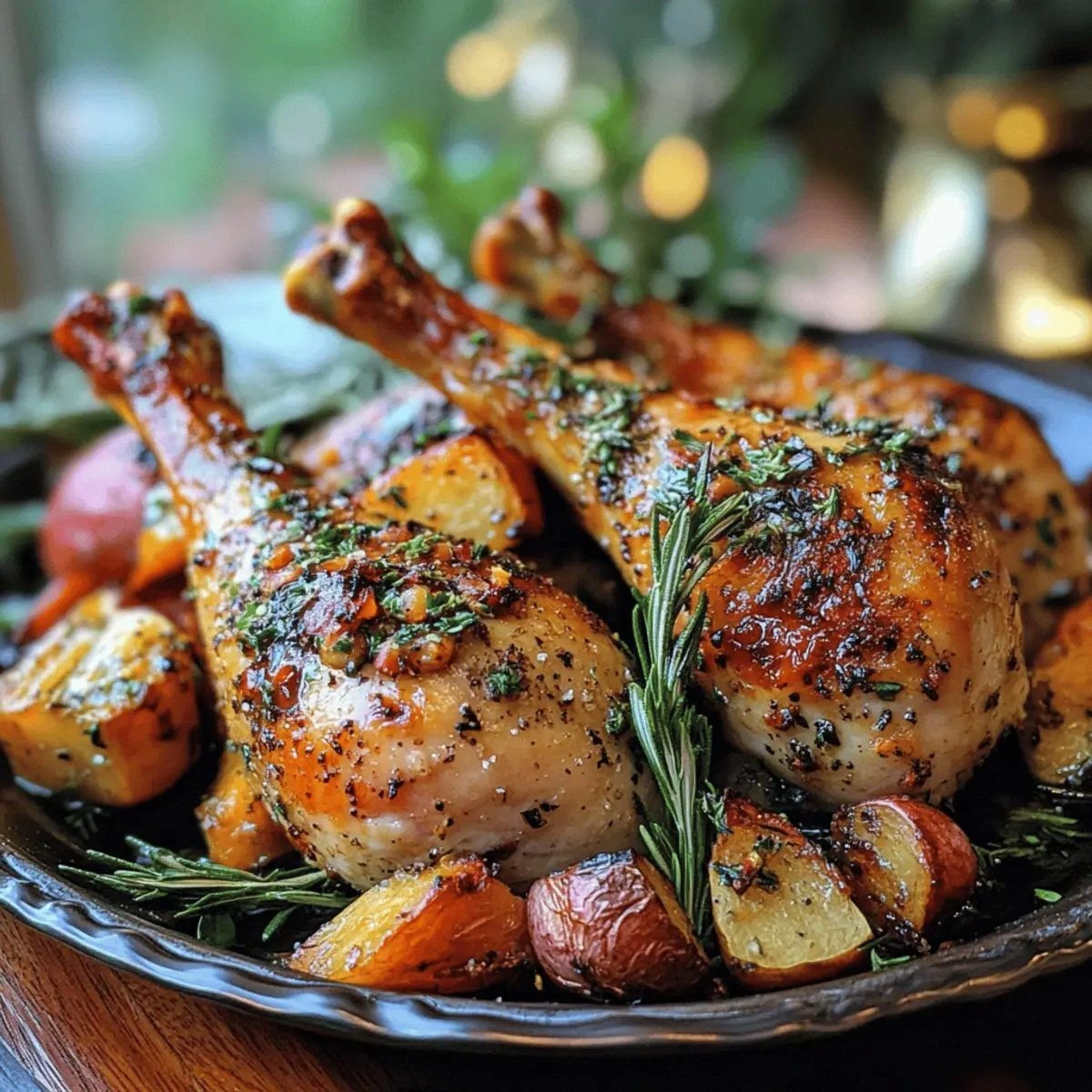
- Visual Appeal: The glossy glaze and the contrast of roasted roots make the plate look like a masterpiece, perfect for impressing guests.
- Time Efficiency: The entire process takes less than an hour, yet it delivers a restaurant‑quality flavor profile.
- Make‑Ahead Friendly: You can prep the glaze and marinate the drumsticks a day ahead, saving time on the big day.
- Kid‑Friendly: The sweet glaze appeals to younger palates while still satisfying adults with its depth of flavor.
- Versatility: Swap in different root vegetables or spices, and you have an entirely new dish each time.
Inside the Ingredient List
The Flavor Base
Apple cider is the secret sauce that gives this dish its signature sweet‑tart profile. It’s more than just a liquid; it’s a flavor transformer that tenderizes the meat while adding a subtle acidity that balances the richness of the turkey. If you can’t find apple cider, a mix of apple juice and a splash of white wine works as a close substitute, but you’ll lose a hint of that rustic apple character.
Honey is the golden liquid that turns the skin into a caramelized masterpiece. Its natural sugars create a glossy glaze that not only looks stunning but also locks in moisture. A tablespoon of honey is enough to coat the drumsticks without overpowering the savory notes. If you’re a fan of extra sweetness, feel free to double the amount—but remember, the glaze will be more pronounced.
Fresh sage leaves bring a peppery, piney aroma that grounds the dish. They’re a classic pairing with poultry, but the key is to use whole leaves so they can be removed before serving. If you’re out of sage, thyme or oregano can be used as a last‑minute replacement, though the flavor profile will shift slightly.
The Texture Crew
Olive oil is the unsung hero that ensures the skin crisps up beautifully. It also acts as a medium to carry the herbs and glaze into the meat. Opt for a light, high‑smoke‑point olive oil to avoid any burnt undertones. A tablespoon per drumstick is sufficient; more oil just makes the dish greasy.
Garlic cloves add a punch of umami that permeates the meat. Crushing the cloves before adding them releases essential oils that infuse the dish with a subtle, savory depth. If you’re sensitive to raw garlic, lightly sauté it with the oil before adding the herbs for a milder flavor.
Fresh rosemary brings a woody, slightly citrusy note that complements the sage. It’s best used in small quantities—two tablespoons for four drumsticks—so it doesn’t dominate the palate. The rosemary should be finely chopped to release its aroma without leaving large stems in the dish.
The Unexpected Star
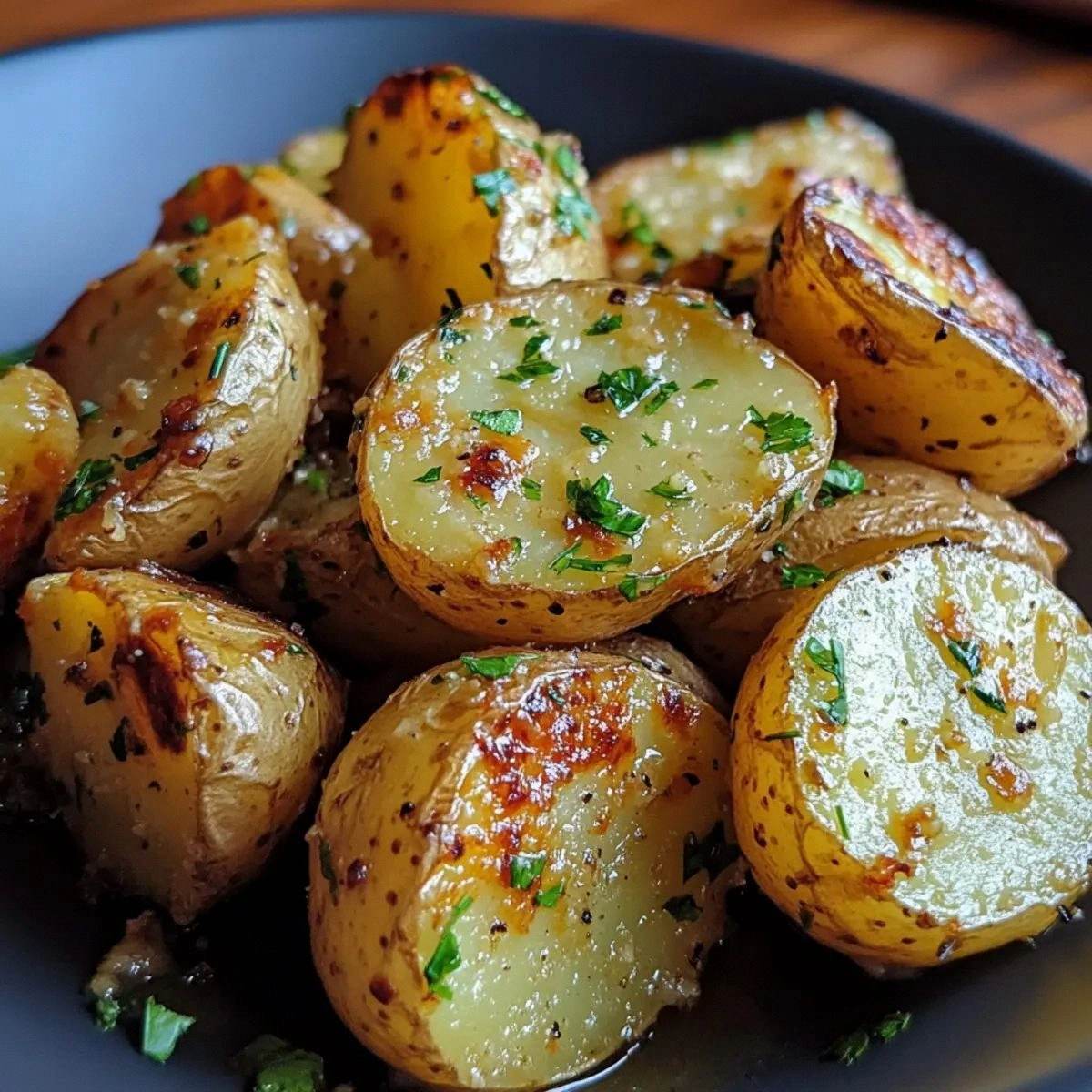
Root vegetables—carrots, parsnips, and potatoes—are the unsung heroes that soak up the glaze and become caramelized side dishes in their own right. They add a sweet, earthy contrast that balances the savory turkey. Slice the carrots and parsnips into bite‑sized pieces to ensure even cooking, and cut the potatoes into thick wedges to hold up to the roasting time.
If you’re craving a twist, substitute the potatoes with sweet potatoes or butternut squash for a sweeter, more colorful plate. Just remember to adjust the roasting time slightly, as sweeter vegetables cook a bit faster.
The Final Flourish
Salt and pepper are the final seasoning that brings all the flavors together. They’re essential for enhancing the meat’s natural taste and ensuring the glaze adheres properly. Use sea salt for a subtle brine effect, and freshly ground black pepper for a sharp finish.
If you prefer a low‑sodium version, reduce the salt by half and increase the apple cider slightly to compensate for flavor. Just keep in mind that the glaze might be a bit less glossy if you cut the salt too aggressively.
Everything's prepped? Good. Let's get into the real action.
The Method — Step by Step
- First, preheat your oven to 375°F (190°C). While the oven heats, pat the turkey drumsticks dry with paper towels; this step is crucial for achieving a crispy skin. The drier the surface, the better the Maillard reaction will occur, giving you that coveted golden crust.
- In a small bowl, whisk together apple cider, honey, minced garlic, and rosemary. Stir until the honey is fully dissolved, creating a glossy, aromatic mixture. This will serve as both a glaze and a flavor enhancer.
- Rub the drumsticks with olive oil, then season them generously with salt and pepper. Toss the drumsticks in the oil and seasoning until every surface is coated. This creates a flavor base that will carry the glaze and the herbs.
- Arrange the drumsticks on a rimmed baking sheet. Place the root vegetables around them, spacing them evenly so they roast alongside the meat. The vegetables will absorb the glaze, becoming caramelized and flavorful.
- Brush the apple‑honey mixture over the drumsticks, making sure to coat each piece thoroughly. Then, sprinkle the fresh sage leaves on top. The sage will release its aroma during the roast, infusing the entire dish.
- Slide the sheet into the preheated oven. Roast for 30 minutes, then flip the drumsticks and brush another layer of glaze. The second coat intensifies the flavor and ensures the skin stays glossy.
- After 45 minutes, check the internal temperature with a meat thermometer. It should read 165°F (74°C). If it’s not quite there, give it an extra 5–10 minutes, but watch the glaze—don’t let it burn.
- Once done, remove the sheet from the oven and let the drumsticks rest for 5 minutes. This resting period allows the juices to redistribute, ensuring every bite is moist and tender.
- Serve the drumsticks on a platter with the roasted roots drizzled with any remaining glaze. Garnish with a few extra sage leaves for a touch of color and aroma.
That's it—you did it. But hold on, I've got a few more tricks that'll take this to another level. Stick around for the insider tips that will make your next batch even better.
Insider Tricks for Flawless Results
The Temperature Rule Nobody Follows
Many cooks bake at a flat 400°F, but that can dry out the drumsticks. Lowering the heat to 375°F allows the meat to cook gently, retaining moisture while still achieving a crisp exterior. If your oven runs hot, consider placing the sheet on the middle rack to avoid over‑browning.
Why Your Nose Knows Best
Trust your nose when judging doneness. The aroma of caramelized honey and roasted herbs is a reliable indicator that the glaze has set and the meat is ready. If the scent feels too sweet or burnt, pull the dish out earlier to preserve flavor.
The 5-Minute Rest That Changes Everything
Resting the drumsticks for exactly five minutes after roasting allows the juices to redistribute, preventing them from spilling out when you cut into the meat. It also gives the glaze a chance to thicken slightly, creating a glossy finish that looks as good as it tastes.
The Root Vegetable Trick
Toss the root vegetables in a little extra olive oil before roasting. This prevents them from drying out and ensures a caramelized crust that mirrors the turkey’s glaze. If you prefer a lighter side, drizzle a splash of apple cider over them before baking.
The Herb Swap Secret
If you’re not a fan of sage, try using bay leaves or a mix of thyme and oregano. Each herb brings a unique flavor profile, but the key is to keep the aromatic base intact. Experiment with combinations to discover your personal favorite.
Creative Twists and Variations
This recipe is a playground. Here are some of my favorite ways to switch things up:
Maple‑Miso Fusion
Swap honey for maple syrup and add a teaspoon of miso paste to the glaze. The umami from the miso pairs beautifully with the maple sweetness, creating a bold, savory-sweet profile that’s perfect for fall.
Spicy Citrus Kick
Add a teaspoon of crushed red pepper flakes to the glaze and finish with a squeeze of fresh orange juice. The citrus brightens the dish while the heat gives it a lively edge.
Mediterranean Twist
Replace sage with oregano, add a splash of white wine to the glaze, and serve with a side of lemon‑yogurt sauce. This version transports you straight to the Mediterranean coast with every bite.
Herbal Garden Medley
Incorporate fresh thyme, parsley, and dill into the herb mix. The combination of herbs creates a vibrant, garden‑fresh flavor that’s ideal for spring gatherings.
Roasted Sweet Potato Companion
Swap the regular potatoes for sweet potatoes. Their natural sweetness complements the glaze and adds a pop of color to the plate.
Storing and Bringing It Back to Life
Fridge Storage
Cool the leftovers to room temperature, then place them in an airtight container. Store in the refrigerator for up to 3 days. The glaze will thicken slightly, but a quick reheat will restore its sheen.
Freezer Friendly
Wrap each drumstick individually in parchment paper and place them in a freezer bag. They’ll keep for up to 2 months. When ready, thaw overnight in the fridge before reheating.
Best Reheating Method
Reheat in a 350°F oven for 10–12 minutes, or until warmed through. Add a splash of water or apple cider to the pan to create steam, keeping the meat moist. Finish with a quick brush of glaze to revive the glossy finish.
Add a tiny splash of water before reheating — it steams back to perfection.