Picture this: you’re standing in a cramped kitchen, the clock is ticking, and a sudden craving for something that feels both comfortingly familiar and exotically thrilling hits you like a rogue wave. I was in the middle of a chaotic weekday dinner prep when my roommate dared me to whip up a snack that would make even the most stoic food critic weep with joy. The result? A batch of kanom jeeb Thai dumplings that turned my modest apartment into a fragrant street‑food stall. The moment the dough hit the pan, the air filled with a buttery, garlicky perfume that made the whole building’s hallway stop and sniff, and I knew I was onto something legendary.
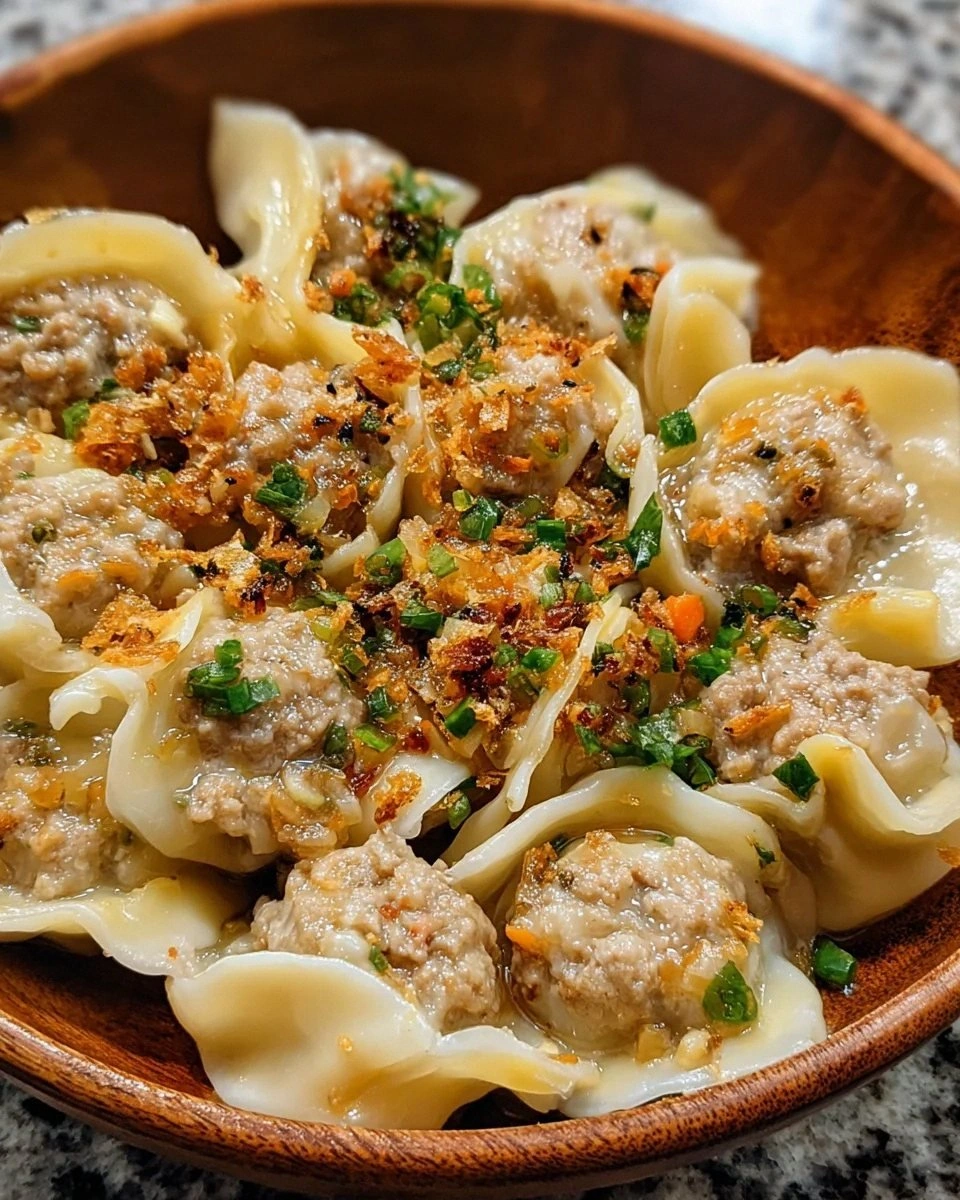
The first bite was a revelation—a juicy, pork‑laden pocket that exploded with layers of umami, sweet carrot crunch, and a whisper of herbal coriander roots that danced on my tongue. It was the kind of flavor that makes you close your eyes and picture bustling night markets in Bangkok, neon signs flickering, the clatter of wok pans, and the chatter of hungry locals. The texture? Silky wrapper, tender meat, and a satisfying snap from the crispy fried garlic garnish that reminded me of fireworks on a summer night. I dare you to taste this and not go back for seconds, because once you’ve experienced the perfect balance of sweet, salty, and savory, there’s no turning back.
Most recipes for Thai dumplings get the sauce wrong, the filling too dry, or the wrapper soggy. I’ve tried them all—some that left the meat tasting like cardboard, others that drowned the delicate flavors in a sea of soy. This version stands out because it respects each ingredient’s personality, from the earthy shiitake mushrooms that bring depth, to the Golden Mountain sauce that adds a mysterious, almost magical, depth of flavor. The secret? A splash of garlic oil brushed on the dumplings before the final fry, creating a golden crust that shatters like thin ice when you bite into it. And let’s not forget the finishing touch of crispy fried garlic that adds a crunch you can hear echoing through the kitchen.
But I’m not just bragging; I’m sharing the exact technique that turned a simple idea into a crowd‑pleasing masterpiece. There’s a step involving a quick rest for the filling that most home cooks skip—trust me, that 5‑minute pause is a game‑changer. I’ll be honest — I ate half the batch before anyone else got to try it, and that’s a confession I’m willing to make because the taste is that good. So, buckle up, keep your spatula ready, and stay with me here — this is worth it. Let me walk you through every single step — by the end, you’ll wonder how you ever made it any other way.
What Makes This Version Stand Out
- Flavor Explosion: The combination of Golden Mountain sauce, oyster sauce, and a hint of sugar creates a sweet‑savory harmony that sings louder than a karaoke bar on a Friday night.
- Texture Triumph: A perfect balance of juicy pork, crunchy carrot, and the chewiness of rehydrated shiitake mushrooms gives each bite a multi‑layered mouthfeel.
- Simplicity Meets Sophistication: With just a handful of pantry staples and a few specialty items, you can achieve a restaurant‑level dish without a culinary degree.
- Unique Herbal Note: Coriander roots, often ignored, add an earthy freshness that elevates the filling from ordinary to unforgettable.
- Crowd Reaction: These dumplings disappear faster than free samples at a grocery store—people keep coming back for more, begging for the recipe.
- Ingredient Quality: Using fresh dumpling wrappers and high‑quality pork ensures the final product is tender, not rubbery.
- Cooking Method Magic: A quick pan‑fry followed by a steam finish locks in moisture while giving the bottom a crisp, golden edge.
- Make‑Ahead Potential: You can freeze the uncooked dumplings and pop them straight into the pan later, perfect for impromptu parties.
Inside the Ingredient List
The Flavor Base
Ground pork: The heart of the dumpling filling, offering a rich flavor and delightful texture. If you opt for a leaner cut, add a splash more sesame oil to keep the mixture juicy. Skipping pork for chicken? Expect a milder profile and adjust the sauces accordingly.
Egg: This binds the filling together, ensuring it holds its shape during cooking. A fresh egg adds a silkiness that a beaten one alone can’t achieve. If you’re vegan, try a flax‑egg, but the texture will be slightly different.
Garlic: Adding a savory kick, it’s a must in most Asian dishes for its aromatic qualities. Use fresh minced garlic; pre‑minced jars lose that punch. Forgetting garlic? The dumplings will taste flat, like a song missing its chorus.
Golden Mountain sauce: A fantastic all‑purpose seasoning sauce that adds depth to your filling. Its sweet‑salty profile is the secret behind the “wow” factor. If unavailable, substitute with a mix of soy sauce, a dash of fish sauce, and a pinch of brown sugar.
The Texture Crew
Carrot: Finely diced for a subtle sweetness and a pop of color. It adds a gentle crunch that contrasts the tender pork. If you skip it, the dumplings lose that bright visual appeal and a hint of natural sweetness.
Green onions: They contribute a mild onion flavor and freshness to the filling. Slice them thinly to avoid overpowering the delicate pork. Substitute with chives for a milder bite.
Dried shiitake mushrooms: After soaking, they add a lovely umami flavor and chewy texture. The rehydrated mushrooms bring depth that no commercial stock can match. If you’re short on time, use fresh mushrooms, but expect a lighter flavor.
Cornstarch: This helps to bind the filling, making it cohesive and easy to handle. It also gives the dumplings a silky mouthfeel once cooked. Too much cornstarch? You’ll get a gummy texture; just a tablespoon does the trick.
The Unexpected Star
Sesame oil: A drizzle adds a lovely nuttiness and fragrant aroma. A little goes a long way—overdo it and you’ll mask the other flavors. If you’re allergic, try a light drizzle of toasted peanut oil for a similar depth.
White sugar: A touch of sweetness helps balance the savory flavors. It’s the secret behind that “sweet bite” sensation. Skipping sugar can leave the dumplings tasting overly salty.
Black peppercorns: They provide a warm spice to balance the savory elements. Freshly cracked pepper adds a subtle heat without overwhelming the palate. Pre‑ground pepper loses its aromatic punch.
The Final Flourish
Dumpling wrappers: These thin sheets encase your delicious filling; fresh or frozen options work well. Thaw frozen wrappers in the fridge overnight for best pliability. Using stale wrappers will cause tearing and a chewy texture.
Garlic oil: Brushing this on the dumplings enhances their flavor and gives a golden finish. It creates that irresistible glossy sheen you see on restaurant plates. If you run out, a quick mix of melted butter and minced garlic works in a pinch.
Crispy fried garlic: For garnish, it adds crunch and an extra layer of flavor. Sprinkle it just before serving to keep the crunch intact. Skip it, and you’ll miss the final “crackle” that makes each bite exciting.
Everything's prepped? Good. Let’s get into the real action…
The Method — Step by Step
First, soak the dried shiitake mushrooms in warm water for about 15 minutes, then slice them thinly. While they’re soaking, finely dice the carrot and chop the coriander roots into tiny pieces. This is the moment where the kitchen starts smelling like a forest after rain—earthy, fresh, and promising. I like to set a timer so I don’t forget the mushrooms while juggling other prep.
In a large mixing bowl, combine the ground pork, one beaten egg, minced garlic, and the chopped coriander roots. Add the sliced shiitake, carrot, and green onions. Sprinkle in the black peppercorns, a teaspoon of white sugar, and a generous splash of Golden Mountain sauce. Mix everything with your hands—yes, get messy! The mixture should feel cohesive but not overly sticky.
Now, drizzle in the oyster sauce, sesame oil, and a tablespoon of cornstarch. These binders are the secret to that silky interior that holds together when you bite.
After the rest, give the mixture one more quick stir to ensure everything is evenly distributed.Kitchen Hack: After mixing, let the filling rest for 5 minutes; the cornstarch will fully hydrate, making the dumplings easier to shape.Take a dumpling wrapper and place a heaping teaspoon of filling in the center. Dip your fingertip in water and lightly wet the edges of the wrapper—this is crucial for a tight seal. Fold the wrapper in half, pressing the edges together, then pleat the rim for that classic dumpling look. The pleats not only look pretty but also help keep the steam inside during cooking.
Heat a non‑stick skillet over medium‑high heat and add a tablespoon of garlic oil. Once shimmering, arrange the dumplings in a single layer, flat side down. Let them sizzle for about 2 minutes until the bottoms turn a golden amber.
Watch Out: If the heat is too high, the bottoms will burn before the filling cooks through. Adjust to medium‑low after the initial sear.Once the bottoms are beautifully browned, carefully pour in ¼ cup of water (or broth for extra flavor) and immediately cover the pan with a lid. The steam will finish cooking the filling while preserving the crispy base. Let it steam for 5‑6 minutes; you’ll hear a gentle hiss as the liquid evaporates.
After the steam has done its job, remove the lid and let any remaining liquid evaporate, allowing the bottoms to crisp up again for another minute. This double‑cook technique gives you a dumpling that’s soft inside and delightfully crunchy outside—pure perfection.
Kitchen Hack: Sprinkle a pinch of salt over the water before steaming; it helps season the dumpling from the inside out.Transfer the cooked dumplings onto a serving platter. While they’re still hot, brush each with a thin layer of garlic oil to reinforce that glossy, aromatic finish. Then, shower them with generous amounts of crispy fried garlic. The crunch you hear as you bite is the final applause of this culinary performance.
Serve immediately with a side of soy‑vinegar dipping sauce or a simple mix of lime juice, fish sauce, and a dash of sugar. Picture yourself pulling this out of the pan, the whole kitchen smelling incredible, and your guests reaching for seconds before the first bite even settles. That sizzle when it hits the pan? Absolute perfection. And now the fun part—watch everyone’s faces light up.
That's it — you did it. But hold on, I've got a few more tricks that'll take this to another level…
Insider Tricks for Flawless Results
The Temperature Rule Nobody Follows
Never start cooking on high heat; a medium‑low start ensures the pork cooks evenly without shrinking. I once cranked the stove to high, and the dumplings puffed up like balloons, then collapsed into rubbery messes. Keep the heat steady, and you’ll get that perfect golden crust every time.
Why Your Nose Knows Best
When the dumplings are steaming, trust your sense of smell. You’ll know they’re done when the kitchen fills with a sweet‑savory aroma and the steam stops bubbling aggressively. If you’re unsure, lift the lid briefly—if you still see a steady stream of vapor, give them another minute.
The 5‑Minute Rest That Changes Everything
After mixing the filling, let it sit for exactly five minutes. This short rest lets the cornstarch fully hydrate and the flavors meld, resulting in a filling that’s cohesive and bursting with depth. Skipping this step is like trying to run a marathon without warming up—your body (or in this case, your dumplings) will protest.
Seal the Deal with Water
A quick dip of the wrapper’s edge in water creates a natural glue. I’ve seen novices try to seal with oil or butter—bad idea; the seal never holds, and the filling leaks out like a broken dam. Water is the only reliable adhesive for dumpling dough.
Finish with a Crunch
Don’t skimp on the crispy fried garlic. It adds a textural contrast that elevates the whole bite. If you love extra crunch, toast a handful of sliced shallots alongside the garlic for a nuanced flavor profile.
Creative Twists and Variations
This recipe is a playground. Here are some of my favorite ways to switch things up:
Spicy Chili Kick
Add a teaspoon of Thai bird’s eye chili paste to the filling. The heat pairs beautifully with the sweet sauce, creating a tantalizing balance that will make spice lovers swoon.
Vegetarian Delight
Swap the ground pork for crumbled tofu mixed with finely diced mushrooms and a splash of soy sauce. The texture mimics meat, and the umami from the mushrooms keeps the flavor robust.
Coconut Curry Fusion
Stir in a tablespoon of coconut milk and a pinch of curry powder into the filling. The result is a fragrant, slightly sweet dumpling that transports you to a tropical beachside market.
Herb‑Infused Elegance
Replace coriander roots with a mix of fresh Thai basil and mint leaves. The aromatic herbs give the dumplings a fresh, garden‑like brightness that’s perfect for summer gatherings.
Cheesy Surprise
Fold a small cube of mozzarella or cheddar into the center of each dumpling before sealing. When cooked, the cheese melts into a gooey core, adding an indulgent surprise.
Storing and Bringing It Back to Life
Fridge Storage
Place cooked dumplings in an airtight container and store them in the refrigerator for up to three days. Reheat gently in a skillet with a splash of garlic oil to restore crispness.
Freezer Friendly
Arrange uncooked, sealed dumplings on a parchment‑lined tray and freeze until solid. Transfer them to a zip‑top bag; they’ll keep for up to two months. No need to thaw—drop them straight into a hot pan.
Best Reheating Method
When ready to serve, steam the frozen dumplings for 6‑8 minutes, then finish with a quick pan‑fry for that signature crunch. Add a tiny splash of water before reheating; it creates steam that revives the fluffy interior without drying it out.