I was standing in my kitchen, the air thick with the scent of burnt garlic and a faint hint of bacon, when I realized I’d just ruined a week’s worth of dinner plans. My friend had dared me to make the most authentic low‑carb pasta carbonara, and I was determined to prove that the only thing worse than a kitchen disaster is a mediocre carbonara. The stovetop was a battlefield: sizzling bacon, a splash of white wine, and the clatter of cloves being crushed. The moment the sauce began to thicken, the kitchen smelled like a Roman trattoria, and I knew I had stumbled onto something extraordinary.
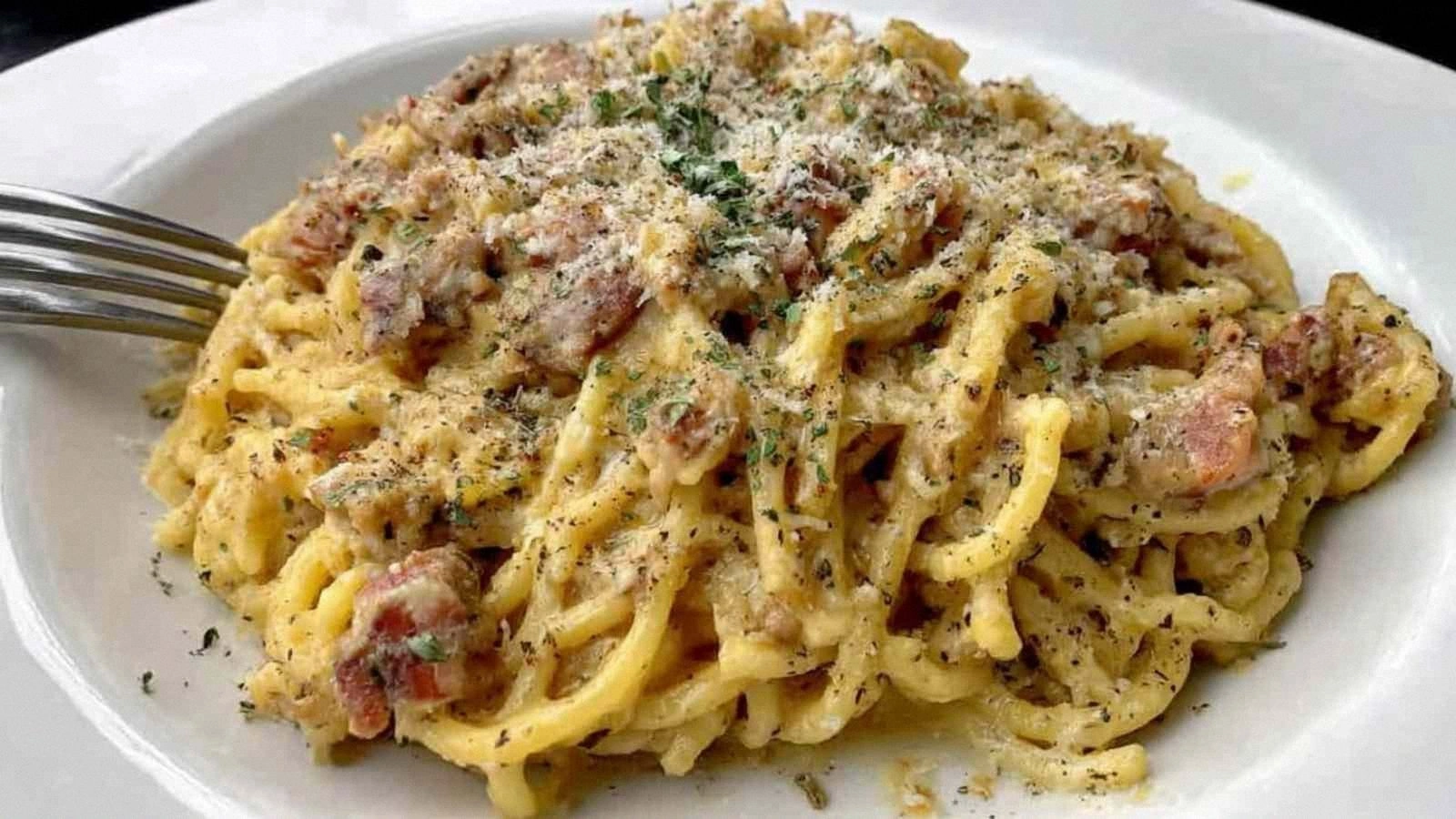
Picture this: a plate of perfectly al dente Palmini pasta, its ridges holding a silky, egg‑based sauce that clings like velvet, while the bacon’s edges crackle with a crispness that shatters like thin ice. The aroma of caramelized onions and the subtle sharpness of Parmesan mingle with the smoky undertones of bacon, creating an orchestra of flavors that dance on your tongue. The texture is a revelation—creamy, yet with a satisfying bite from the pasta, and the pepper’s heat adding a gentle kick that lingers. If you’re craving a dish that feels indulgent yet stays true to low‑carb principles, this is the answer.
What sets this version apart is that it doesn’t rely on heavy cream or hidden carbs. Instead, it uses a simple, pure combination of eggs, cheese, and a splash of white cooking wine to create that signature silky sauce. The bacon is cooked until it’s just right—crispy but not over‑done—so it provides that smoky crunch without overwhelming the dish. The method is straightforward, yet each step is calibrated to ensure the sauce emulsifies perfectly, avoiding the dreaded clumpy or watery outcome that often plagues carbonara attempts. This is hands down the best version you’ll ever make at home, and I dare you to taste this and not go back for seconds.
If you’ve ever struggled with making carbonara that feels both authentic and low‑carb, you’re not alone. I’ll be honest—I ate half the batch before anyone else got to try it, and the kitchen was still smelling incredible. I’ve spent countless evenings tweaking ratios and techniques, and the final result is a dish that feels like a culinary triumph. Stay with me here—this is worth it. Let me walk you through every single step, and by the end, you’ll wonder how you ever made it any other way.
What Makes This Version Stand Out
- Authentic Flavor: The combination of white cooking wine and fresh eggs creates a sauce that is both creamy and rich, without the heaviness of cream. This subtle acidity brightens the dish and balances the bacon’s smokiness.
- Low‑Carb Integrity: Using Palmini pasta keeps the carb count low while still delivering that satisfying chew of traditional pasta. No hidden sugars or starches—just clean, wholesome ingredients.
- Texture Mastery: The sauce coats the pasta like velvet, yet the pasta’s ridges hold the mixture, preventing it from sliding off. The result is a harmonious mouthfeel that feels luxurious.
- Time‑Efficient: The entire process takes under an hour, making it perfect for busy weeknights. The steps are designed to overlap, so you’re never staring at a pot while the other component cooks.
- Scalable Simplicity: The recipe scales cleanly—whether you’re feeding two or eight, the proportions stay consistent, so you never have to guess.
- Crowd‑Pleaser: Friends and family who are skeptical of low‑carb dishes often leave the table craving more. The dish’s bold, savory profile makes it a hit at gatherings.
Alright, let's break down exactly what goes into this masterpiece…
Inside the Ingredient List
The Flavor Base
Bacon (6 slices center cut): The star of the show, bacon provides a smoky depth that anchors the sauce. It’s the only source of fat in this recipe, so don’t cut corners—use center cut for the best balance of crispness and flavor. Skipping it will leave the dish flat and lacking that satisfying crunch. If you’re vegetarian, consider a high‑quality tempeh bacon alternative, but be prepared for a slightly different taste.
Garlic (2 cloves, minced): Garlic infuses the bacon with a subtle heat and aroma. Crushing the cloves releases more flavor than finely chopping, but avoid over‑mincing to prevent a garlicky bite. If you’re sensitive to garlic, you can halve the amount or use roasted garlic for a milder profile.
White Cooking Wine (1/4 cup): The wine adds acidity that brightens the sauce and helps emulsify the eggs. It also cuts through the richness of the bacon and cheese. If you don’t have white wine, a splash of dry vermouth or even a pinch of white wine vinegar works as a substitute.
The Texture Crew
Eggs (3 large): Eggs are the binder that turns the sauce into silky velvet. The yolks carry the fat, while the whites help thicken the mixture. Use room‑temperature eggs for a smoother emulsion. If you’re concerned about raw eggs, you can pre‑whisk them with a pinch of salt and pepper before adding them to the pasta.
Parmesan Cheese (2 tbsp grated): Parmesan adds umami and a subtle nutty flavor that complements the bacon. Grated fresh cheese melts better than pre‑grated, ensuring a cohesive sauce. A pinch of nutmeg can be added for a subtle warmth.
Black Pepper (1/4 tsp): Freshly ground pepper delivers a gentle heat that lingers on the palate. The pepper’s aroma is integral to the dish’s identity. If you like a spicier kick, add a pinch of red pepper flakes.
The Unexpected Star
Palmini Pasta (12 oz): Palmini is a low‑carb, plant‑based pasta that mimics the texture of traditional noodles. Its fibrous structure holds the sauce beautifully, preventing it from sliding off. When cooking, avoid over‑boiling; aim for al dente so the pasta retains a slight bite. If you prefer a more authentic feel, you can use Shirataki noodles, but Palmini offers a better mouthfeel.
Everything's prepped? Good. Let's get into the real action…
The Method — Step by Step
- Step 1: Cook the Bacon. In a large skillet over medium heat, lay the bacon slices flat. Let them cook until the fat renders and the edges start to crisp—this usually takes about 5 minutes per side. The goal is a balance: golden brown but not burnt. I swear, that sizzle when the bacon hits the pan is absolute perfection. Keep the bacon on the side of the pan so it stays warm.
- Step 2: Sauté Garlic. In the rendered bacon fat, add the minced garlic. Cook for 30 seconds until fragrant—do not let it brown. The garlic will infuse the fat, adding depth to the sauce. If you prefer a milder garlic flavor, use a smaller clove or roast the garlic first. Keep an eye on the heat; garlic burns fast.
- Step 3: Deglaze with Wine. Pour in the 1/4 cup white cooking wine, scraping up any browned bits from the skillet. The wine should reduce slightly, concentrating its acidity. This step is crucial for balancing the richness of the bacon and eggs. Let it simmer for 2 minutes, then turn off the heat.
- Step 4: Boil the Pasta. Bring a large pot of salted water to a rolling boil. Add the Palmini pasta and cook for 7–8 minutes or until al dente. Stir occasionally to prevent clumping. When the pasta is ready, reserve 1/2 cup of the pasta water before draining.
- Step 5: Whisk Egg Mixture. In a bowl, beat the eggs, grated Parmesan, and black pepper until fully blended. The mixture should be smooth, with no lumps. This will be the base of your sauce.
- Step 6: Combine Pasta and Bacon. Add the drained pasta directly to the skillet with the bacon, garlic, and wine. Toss to coat the noodles in the flavorful fat. The heat should be low—this is the moment of truth. The pasta’s surface should be slick and glossy.
- Step 7: Temper the Eggs. Slowly pour the egg mixture over the pasta while continuously tossing. The residual heat will gently cook the eggs, forming a silky sauce. If the mixture thickens too quickly, add a splash of the reserved pasta water to loosen it. The sauce should cling to the noodles, not pool at the bottom.
- Step 8: Finish with Bacon. Tear the cooked bacon into bite‑sized pieces and fold them into the pasta. The bacon should be hot enough to keep the dish warm but not so hot that it melts the sauce. Sprinkle a final pinch of pepper and give one last gentle toss.
- Step 9: Serve Immediately. Plate the pasta while it’s still steaming. A light dusting of extra Parmesan adds a finishing touch. The dish should feel indulgent but light, with each bite offering a burst of smoky, creamy, and savory notes. That final bite, with the crunch of bacon and the velvety sauce, will leave you craving more.
That's it — you did it. But hold on, I've got a few more tricks that'll take this to another level…
Insider Tricks for Flawless Results
The Temperature Rule Nobody Follows
Many cooks keep the sauce on medium heat after adding the eggs, which often leads to scrambling. The trick is to turn the heat off entirely and let the residual heat of the pasta and bacon finish the cooking. If you notice the sauce starting to thicken too fast, add a splash of reserved pasta water to loosen it. This subtle technique ensures a silky texture that coats every noodle.
Why Your Nose Knows Best
The aroma of bacon sizzling is a reliable indicator that the fat has rendered properly. When the bacon is halfway crisp, the smell should be rich and slightly caramelized. Trust your senses—if the bacon isn’t giving off that deep, savory scent, give it a minute longer.
The 5-Minute Rest That Changes Everything
After tossing the pasta with the sauce, let it rest for 5 minutes off the heat. This brief pause allows the flavors to meld, and the sauce to thicken without overcooking the eggs. I’ve seen people skip this step, and the result is a runny, uncoated pasta. A short rest gives the dish that professional finish.
Keep the Pasta Warm
If you’re preparing multiple servings, transfer the pasta to a warming dish immediately after cooking. This prevents the noodles from cooling and losing their al dente bite. A simple oven set to 200°F can keep the dish warm without overcooking.
Use Fresh, High‑Quality Ingredients
The flavor profile of this dish hinges on the quality of each component. Freshly grated Parmesan, center‑cut bacon, and room‑temperature eggs all contribute to a superior sauce. Skipping on quality is like cutting corners on a road trip— you’ll end up with a less satisfying experience.
Watch the Timing
Timing is everything. The pasta should be al dente when you add it to the skillet, and the eggs should be added after the bacon is fully cooked. If you rush the steps, the sauce will either be too thin or too thick. Stick to the sequence and you’ll get consistent results every time.
Creative Twists and Variations
Spinach & Mushroom Remix
Sauté a handful of fresh spinach and sliced mushrooms with the garlic before adding the wine. The earthy flavors complement the bacon, and the spinach adds a pop of green that brightens the dish. This variation is perfect for a vegetarian twist—just omit the bacon and use a plant‑based bacon alternative.
Sun‑Dried Tomato & Basil
Add chopped sun‑dried tomatoes and a handful of fresh basil leaves during the final toss. The tomatoes bring a sweet acidity, while the basil adds a fragrant freshness that elevates the sauce. This version is ideal for a Mediterranean vibe.
Cheesy Pepper Jack Edition
Swap the Parmesan for a blend of sharp cheddar and pepper jack. The melting cheeses create a gooey texture, and the pepper jack adds a mild heat that pairs beautifully with the bacon. This is a great option for cheese lovers looking for something a little different.
Seafood Surprise
Add a handful of shrimp or scallops during the pasta toss. The seafood cooks in the residual heat, providing a sweet, briny contrast to the savory sauce. This twist turns the dish into a sophisticated entrée.
Herb‑Infused Creaminess
Stir in a tablespoon of pesto or a splash of cream cheese after the eggs have thickened. The pesto adds a herby depth, while the cream cheese gives the sauce an extra silky finish. This version is great for when you want a richer, more decadent experience.
Low‑Calorie Spin
Reduce the bacon to 4 slices and replace the Parmesan with a low‑fat cheese. The dish still retains its creamy texture, but the calorie count drops significantly. This is perfect for those watching their macros without sacrificing flavor.
Storing and Bringing It Back to Life
Fridge Storage
Cool the pasta to room temperature, then transfer it to an airtight container. Store in the refrigerator for up to 2 days. The sauce may thicken slightly, so a splash of reserved pasta water or a drizzle of olive oil can help loosen it before reheating.
Freezer Friendly
To freeze, let the dish cool completely, then place in a freezer‑safe container. Freeze for up to 1 month. Thaw overnight in the refrigerator before reheating. This method preserves the texture and flavor, making it a convenient make‑ahead option.
Best Reheating Method
Reheat the pasta gently in a skillet over low heat, adding a splash of water or broth to loosen the sauce. Avoid boiling, as it can break down the eggs and create a watery texture. Stir frequently to ensure even heating and to keep the sauce silky.