I’ll be honest — I ate half the batch before anyone else got a chance to try it, and that’s because this dish knocked my socks off the moment it hit the table. It all started on a rainy Tuesday when I was desperate for something that felt both exotic and comforting, and my pantry was shouting “eggplant!” I tossed two medium eggplants into the oven with a reckless dash of cumin and coriander, and the aroma that rose was like a secret love letter from the Levant, promising smoky depth and bright citrus. The kitchen smelled like a bustling market stall at twilight, the kind of scent that makes you want to dance while you wait for the timer to ding.
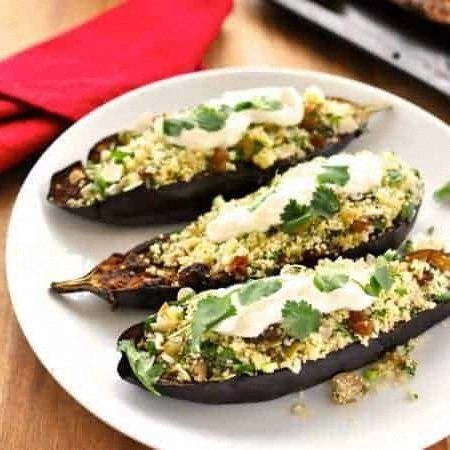
Picture yourself pulling this out of the oven, the whole kitchen smelling incredible, the eggplant skins blistered to a perfect char, the flesh soft enough to melt on a fork yet holding onto a little bite. The couscous side is a jewel‑like bed of fluffy grains, studded with sweet sultanas, briny olives, and crunchy almond flakes that crack like fireworks in your mouth. And when you drizzle that final splash of extra‑virgin olive oil and a squeeze of lemon, it’s like the dish gets a fresh, zingy applause that ties everything together. I dare you to taste this and not go back for seconds — it’s that good.
Most recipes get this completely wrong. They either over‑roast the eggplant until it turns into a mushy nightmare, or they under‑season it, leaving you with a bland canvas. I’ve cracked the code with a simple technique: slice the eggplants in half lengthwise, score the flesh, and rub them with a spice‑infused oil before roasting at a blistering 425°F (220°C). This method creates caramelized edges that shatter like thin ice, while the interior stays buttery and fragrant. The secret ingredient? A zest of lemon rind that adds a whisper of brightness that you’ll swear you never noticed before.
Okay, ready for the game‑changer? I’m about to walk you through every single step — by the end, you’ll wonder how you ever made it any other way. Stay with me here — this is worth it.
What Makes This Version Stand Out
- Depth: The double‑roast technique builds layers of smoky flavor that no quick sauté can match, giving you that deep, umami kiss.
- Texture: Charred skin, silky interior, and a couscous mix that’s fluffy yet punctuated by crunchy almonds — a symphony of mouthfeel.
- Simplicity: Only ten pantry staples and a handful of fresh herbs, yet the result feels like a five‑star restaurant plate.
- Uniqueness: The lemon rind and chilli flakes add an unexpected citrus‑heat combo that sets this apart from generic eggplant dishes.
- Crowd‑pleaser: Even the most skeptical eaters rave, often confessing they’ve never liked eggplant before this transformation.
- Ingredient Quality: Using ripe, firm eggplants and good‑quality extra‑virgin olive oil makes the flavors sing.
- Cooking Method: High‑heat roasting locks in moisture while creating that coveted caramelized edge.
- Make‑Ahead Potential: The couscous can be pre‑pped, and the roasted eggplant stores beautifully for a next‑day lunch.
Inside the Ingredient List
The Flavor Base
Two garlic cloves, minced, are the aromatic backbone, releasing a sweet, earthy perfume when they hit the hot oil. If you’re allergic or just not a fan, try a tablespoon of roasted garlic puree for a milder, sweeter profile. The ground cumin and coriander, each at two teaspoons, bring a warm, nutty earthiness that whispers of distant bazaars. Skipping either will flatten the flavor pyramid, leaving the dish feeling like a blank canvas. For a twist, swap half the cumin for smoked paprika to deepen the smoky notes.
One teaspoon of chilli flakes adds a subtle, lingering heat that dances on the tongue without overwhelming the delicate eggplant. If you prefer a milder bite, reduce to half a teaspoon, or go bold with a pinch of cayenne for a real kick. The paprika, also one teaspoon, contributes a sweet, smoky undertone that ties the spices together. Together, these spices create a fragrant rub that clings to the eggplant like a second skin.
The Texture Crew
Four tablespoons of olive oil are the glaze that carries the spices onto the flesh, ensuring each bite is slick and flavorful. If you’re watching calories, replace half with a light drizzle of grapeseed oil, which won’t alter the taste but reduces the richness. The 3/4 cup of couscous is the fluffy base that soaks up the lemon‑infused broth, turning each grain into a tiny, chewy cloud. When you pour the boiling water over the couscous, it should steam like a hot spring, creating that perfect al dente bite.
The 1/4 cup of sultanas or currants offers sweet bursts that contrast the savory eggplant, while the 1/4 cup of roughly chopped green olives adds briny tang that cuts through the richness. If olives aren’t your thing, try capers for a sharper, more piquant pop. The flaked almonds, also 1/4 cup, bring a buttery crunch that shatters like fireworks when you bite into it. For a nut‑free version, swap almonds for toasted pumpkin seeds.
The Unexpected Star
The rind of one medium lemon is grated just before roasting, releasing volatile citrus oils that lift the entire dish. It’s a secret weapon; a little goes a long way, turning a heavy roast into a bright, uplifting experience. If you can’t find a lemon, a splash of orange zest works in a pinch, though it will shift the flavor profile toward sweeter notes.
Black pepper, freshly cracked, adds a subtle bite that awakens the palate without stealing the spotlight. Don’t be shy—just a pinch of freshly ground pepper can make a world of difference. The juice of half a lemon, squeezed over the finished plate, provides a finishing zing that balances the sweet raisins and salty olives. Think of it as the final brushstroke on a masterpiece.
The Final Flourish
Two tablespoons of extra‑virgin olive oil drizzled at the end give the dish a glossy sheen and an extra layer of fruit‑forward richness. If you love herbaceous notes, stir in a handful of chopped cilantro (about 1/4 cup) just before serving; its bright, almost citrusy flavor lifts the whole composition. The scallions or spring onions, also 1/4 cup, add a gentle oniony crunch that brightens each bite. Sprinkle the chopped cilantro and scallions over the roasted eggplant and couscous for a burst of fresh green color that looks as good as it tastes.
Everything's prepped? Good. Let's get into the real action...
The Method — Step by Step
Preheat your oven to a scorching 425°F (220°C). While the oven heats, slice the two medium eggplants lengthwise, then score the flesh in a crosshatch pattern about half an inch deep. This scoring allows the oil and spices to seep deep, creating pockets of flavor that burst with each bite. Toss the eggplant halves with four tablespoons of olive oil, the minced garlic, cumin, coriander, chilli flakes, paprika, lemon rind, and the first half‑teaspoon of salt. The mixture should coat the flesh like a glossy, fragrant glaze, and the kitchen will already start humming with that smoky promise.
Place the eggplants skin‑side up on a parchment‑lined baking sheet. That sizzle when it hits the pan? Absolute perfection. Roast for 25‑30 minutes, turning the heat up to a high broil for the last five minutes to get those charred edges that look like a map of a volcanic landscape. Keep an eye on them; you want the flesh to be tender but the skin to be blistered, not burnt.
Kitchen Hack: If the skin isn’t blistering enough, lightly brush the tops with a little extra olive oil halfway through the roast.While the eggplants are roasting, prepare the couscous. In a heat‑proof bowl, combine 3/4 cup couscous with the zest of the lemon, a pinch of salt, and a drizzle of the remaining two tablespoons of olive oil. Pour 3/4 cup boiling water over the mixture, cover tightly with a plate, and let it sit for five minutes. The grains will puff up, absorbing the liquid like a sponge, and the lemon zest will infuse them with a bright aromatic note.
- Next, stir in the sultanas, chopped green olives, flaked almonds, scallions, and chopped cilantro. The raisins provide sweet pops, the olives add salty brine, and the almonds give a buttery crunch that contrasts the soft eggplant. Toss everything together gently so the ingredients stay distinct but evenly distributed.Watch Out: When you fluff the couscous, use a fork, not a spoon, to keep the grains airy; a spoon can crush them into a mushy clump.
Remove the eggplants from the oven and let them rest for three minutes — this short pause lets the juices settle, preventing a soggy interior. Then, using a spoon, gently scoop out the roasted flesh, leaving the charred skin as a rustic bowl. Transfer the scooped flesh to a large mixing bowl and mash it lightly with a fork, preserving some texture for that satisfying bite. Add the juice of half a lemon, a final pinch of salt, and freshly cracked black pepper to taste. The lemon juice brightens the smoky base, while the pepper adds a final aromatic snap.
Now comes the assembly. Spoon a generous mound of the lemon‑infused couscous onto each plate, creating a fluffy nest. Nestle the mashed roasted eggplant on top, letting it cascade over the couscous like a dark velvet cloak. Drizzle the remaining two tablespoons of extra‑virgin olive oil over the top, and finish with a scattering of extra chopped cilantro and scallions for color and freshness.
Give the dish a final garnish of a few extra almond flakes and a light dusting of chilli flakes if you crave a little more heat. Serve warm, with a side of crusty flatbread or a simple cucumber‑yogurt salad to balance the richness. This is hands down the best version you'll ever make at home. The combination of smoky eggplant, bright couscous, and aromatic herbs will have everyone reaching for seconds, and you’ll proudly claim the title of “Middle Eastern maestro.”
That’s it — you did it. But hold on, I've got a few more tricks that'll take this to another level. Stay with me here — the next tips will turn a great dish into an unforgettable culinary memory.
Insider Tricks for Flawless Results
The Temperature Rule Nobody Follows
Most home cooks set the oven to “roast” and forget that the initial blast of high heat is what creates that coveted char. I always start at 425°F (220°C) and only lower the temperature if the eggplants begin to brown too quickly. This rule ensures the interior cooks evenly while the skin blister‑pops like fireworks. A friend once tried a lower 350°F setting and ended up with soggy, pale eggplant that tasted like a bland casserole — not the dramatic, smoky experience we’re after.
Why Your Nose Knows Best
When the spices start to perfume the air, that’s your cue to give the mixture a quick stir. The aroma of cumin and coriander turning golden is a reliable indicator that the oil has fully awakened the flavors. Trusting your nose, not just the clock, prevents under‑seasoned results. If you ever catch a whiff of burnt garlic, it means the heat is too high; lower the oven or move the pan to a cooler rack.
The 5‑Minute Rest That Changes Everything
After roasting, let the eggplants rest for exactly five minutes before scooping. This short pause allows the steam inside to redistribute, keeping the flesh moist while the skin stays crisp. Skipping this rest leads to a dry interior, as the juices escape too quickly. I once sliced straight out of the oven and the eggplant was a sad, crumbly mess — lesson learned, forever.
Fluffing Couscous Like a Pro
When you fluff the couscous, use a wide‑toothed fork and lift from the bottom, not stir. This technique keeps the grains light and prevents them from clumping together. Adding the lemon zest while the couscous is still steaming maximizes the citrus aroma. If you over‑mix, you’ll end up with a gummy texture that defeats the whole purpose of a fluffy base.
Finishing Oil Drama
Drizzling the final two tablespoons of extra‑virgin olive oil just before serving adds a glossy finish and a burst of fruitiness that ties the dish together. Choose a high‑quality oil; it’s the final flavor bridge. A cheap oil will taste flat and can make the dish feel heavy.
Creative Twists and Variations
This recipe is a playground. Here are some of my favorite ways to switch things up:
Spicy Harissa Heat
Swap the chilli flakes for a tablespoon of North African harissa paste before roasting. The deep, fermented heat adds complexity and a smoky undertone that pairs beautifully with the sweet sultanas. This version is perfect for anyone who loves a bold, lingering spice.
Mediterranean Herb Explosion
Add a tablespoon of fresh chopped mint and a teaspoon of dried oregano to the spice rub. The mint gives a refreshing lift, while oregano adds an earthy Mediterranean whisper. It transforms the dish into a bright, garden‑fresh experience.
Nut‑Free Crunch
Replace the flaked almonds with toasted pumpkin seeds or sunflower seeds. The seeds keep the crunch factor without the nutty flavor, making it safe for those with allergies. The amber hue of pumpkin seeds also adds a visual pop.
Vegan Protein Boost
Stir in a half‑cup of cooked chickpeas into the couscous after it’s fluffed. The chickpeas add a creamy bite and a protein punch, turning this side into a hearty main. Season them lightly with smoked paprika to keep the flavor cohesive.
Sweet‑Savory Fusion
Add a drizzle of pomegranate molasses over the finished plate. The tart, slightly sweet glaze contrasts the smoky eggplant and makes the dish look restaurant‑worthy. A handful of fresh pomegranate arils sprinkled on top adds a pop of color and juicy burst.
Storing and Bringing It Back to Life
Fridge Storage
Transfer the roasted eggplant flesh and couscous to separate airtight containers. They’ll keep fresh for up to three days. When reheating, add a splash of water to the couscous and cover loosely to retain moisture.
Freezer Friendly
Both components freeze beautifully. Portion them into freezer‑safe bags, label with the date, and store for up to two months. To thaw, move to the fridge overnight, then reheat gently on the stovetop or in a low oven, adding a drizzle of olive oil to revive the shine.
Best Reheating Method
The optimal reheating is in a preheated 350°F (175°C) oven for 10‑12 minutes. Before popping it in, sprinkle a tiny splash of water over the couscous and cover with foil; this steams it back to fluffy perfection. The eggplant regains its tenderness, and the almond crunch stays intact if you keep the foil off the top for the last two minutes.