I was standing in a kitchen that felt like a war zone, a burnt pot on the stove, and a stubborn craving for something that would taste like a summer picnic but could be whipped up in a single pan. The disaster that sparked this recipe began when I tried to make a classic chicken and peppers dish and ended up with a soggy mess that tasted like a salad left out too long. I laughed, grabbed my apron, and decided to turn that flop into a triumph that would make my friends swoon. This is the story of how I discovered the ultimate one-pan chicken and peppers.
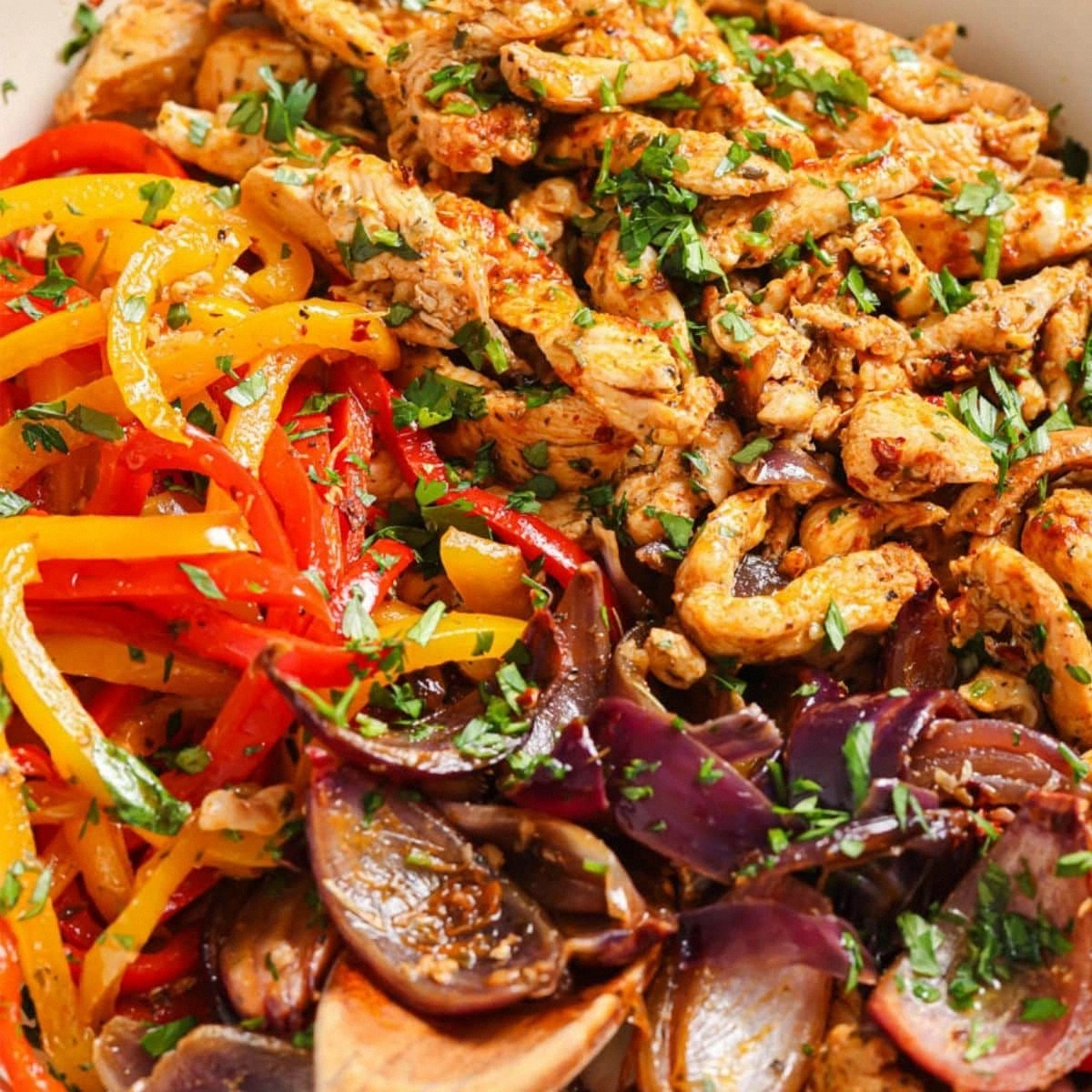
Picture the scene: the air thick with the aroma of sizzling garlic, the bright reds and greens of bell peppers glistening in a hot pan, and the sound of a skillet crackling like a campfire. The heat is just right, not too intense, so the chicken sears to a golden crust while the vegetables soften into a caramelized medley. You can taste the subtle sweetness of the onions, the peppery bite of the bell peppers, and a hint of smoky Cajun spice that lingers on your palate. The texture is a delightful contrast—crisp edges that crackle like thin ice, tender meat that practically melts in your mouth, and a sauce that coats everything like velvet.
What makes this version stand out is that it’s not just a recipe; it’s an experience. I’ve distilled the classic flavors into a single pan, eliminating the need for multiple pots and pans, and added a secret ingredient that elevates the dish to something you’ll want to repeat again and again. The sauce is thick and savory, the chicken is juicy, and the peppers are perfectly caramelized. I dare you to taste this and not go back for seconds—once you try it, you’ll never settle for a mediocre version again.
If you’ve ever struggled with a dish that ends up too dry or too watery, you’re not alone. I’ve been there, watching a pot of sauce evaporate while the chicken sticks to the pan. The trick is to let the flavors meld slowly, allowing the sauce to thicken naturally without the need for extra flour or cornstarch. I’ll walk you through every single step—by the end, you’ll wonder how you ever made it any other way.
What Makes This Version Stand Out
- Flavor: The blend of Cajun seasoning, Italian herbs, and a splash of chicken stock creates a depth that’s both comforting and exciting. The balance of savory, smoky, and slightly sweet notes keeps the dish from becoming one-dimensional.
- Texture: A single pan guarantees that the chicken remains juicy while the peppers develop a caramelized crispness. The sauce clings to each ingredient, turning the dish into a cohesive bite.
- Convenience: One pan, one pot, and a single stovetop—no need for extra bowls or utensils. It’s perfect for busy weeknights or when you want to impress without the cleanup.
- Versatility: The recipe can be tweaked to suit dietary preferences, from low-carb to gluten-free, by swapping rice for cauliflower or quinoa.
- Crowd-Pleaser: The bright colors and bold flavors make it a hit at family dinners, potlucks, or casual gatherings. Even the pickiest eaters love it.
- Ingredient Quality: Using fresh, high-quality produce and a good olive oil makes a noticeable difference in taste and aroma.
- Heat Management: The cooking method keeps the heat at just the right level, preventing the chicken from drying out while allowing the vegetables to caramelize.
- Make-Ahead Friendly: The dish holds well, and the flavors deepen over time, making it ideal for meal prep.
Alright, let’s break down exactly what goes into this masterpiece…
Inside the Ingredient List
The Flavor Base
The 1/2 teaspoon of kosher salt and 1/3 teaspoon of black pepper are the unsung heroes that awaken the dish’s core flavors. Salt enhances the natural sweetness of the peppers, while pepper adds a subtle heat that complements the Cajun seasoning. If you skip the salt, the dish will taste flat and underdeveloped. A pinch of salt is enough to elevate everything without making it overly salty.
The 1 tablespoon of Cajun seasoning brings a smoky, spicy kick that defines this recipe. It’s a blend of paprika, cayenne, garlic powder, and oregano that layers complexity onto the chicken. If you’re not a fan of heat, reduce the amount or substitute with a milder seasoning blend. The key is to keep that smoky undertone that makes the dish unforgettable.
The Texture Crew
The 2 garlic cloves, minced, create a fragrant foundation that permeates every bite. Garlic’s pungent aroma transforms into a mellow sweetness once cooked, balancing the sharpness of the peppers. Skipping garlic will leave the dish feeling incomplete, as if a vital component is missing.
The 2 teaspoons of Italian seasoning infuse the dish with a herby, aromatic profile. Basil, oregano, and thyme work together to bring depth and a touch of Mediterranean flair. If you prefer a more pronounced herbaceous taste, increase the amount slightly.
The 2 tablespoons of olive oil are essential for sautéing and for creating a glossy finish on the sauce. A good quality extra virgin olive oil adds a fruity note that complements the spices. Using a neutral oil may result in a flatter flavor profile.
The Unexpected Star
The 1/3 cup of chicken stock might seem like a small addition, but it’s the secret to a rich, velvety sauce. Stock brings umami depth that a splash of water simply can’t match. If you’re watching sodium, use low-sodium stock or dilute it with water, but keep the flavor punch.
The 1/4 teaspoon of red pepper flakes adds a subtle heat that lingers on the tongue. This is the final touch that gives the dish its signature bite. If you’re not a heat lover, omit them or use a pinch of paprika instead.
The Final Flourish
The 2 tablespoons of fresh parsley provide a burst of color and a fresh, slightly peppery finish. Parsley’s bright flavor cuts through the richness, balancing the dish. If parsley is out of season, substitute with cilantro for a different herbaceous note.
The 2 medium red onions and 2 large bell peppers are the colorful, sweet heart of the dish. The onions caramelize to a golden brown, adding a sweet depth that pairs beautifully with the peppers’ natural sweetness. The peppers, when sautéed, develop a slight char that adds complexity and a hint of smokiness. Together, they create a vibrant, aromatic base that makes the dish irresistible.
The 2 large chicken breasts are the protein backbone, cut into bite-sized pieces for even cooking. The chicken’s natural juices mingle with the sauce, ensuring each bite is moist and flavorful. If you prefer a different protein, try thighs for extra juiciness or tofu for a vegetarian version.
The 1 cup of cooked white rice acts as a neutral canvas that soaks up the sauce’s flavors. It’s a classic pairing that satisfies and rounds out the meal. If you’re looking for a low-carb alternative, try cauliflower rice or shirataki noodles.
Everything’s prepped? Good. Let’s get into the real action…
The Method — Step by Step
- Heat a large skillet over medium-high heat and add the olive oil. Once the oil shimmers, add the sliced chicken breasts, seasoning each piece with kosher salt, black pepper, and Cajun seasoning. Let them sear for 3–4 minutes on each side until golden brown. The sizzle when it hits the pan? Absolute perfection. This is the moment of truth—watch the color change and trust the aroma.
- Remove the chicken and set it aside. In the same pan, add the minced garlic and sauté until fragrant, about 30 seconds. The garlic will release a sweet aroma that will linger in the sauce. Be careful not to burn it, or the dish will taste bitter.
- Add the sliced onions to the skillet and cook until they start to soften, about 2–3 minutes. Stir occasionally so they caramelize evenly. The onions should be translucent but not fully cooked; we’re building layers of flavor.
- Introduce the bell peppers, cooking for another 3–4 minutes until they begin to soften but still retain a slight crunch. The peppers should be bright and slightly charred on the edges, adding a smoky undertone. Keep the heat high enough to keep the vegetables crisp.
- Return the chicken to the skillet, nestling it among the vegetables. Sprinkle the Italian seasoning and red pepper flakes over the top, then pour the chicken stock. Stir everything together, ensuring the stock is evenly distributed. The liquid should be just enough to coat the bottom of the pan without making the dish soupy.
- Cover the skillet with a lid and reduce the heat to medium. Let everything simmer for 10–12 minutes, or until the chicken reaches an internal temperature of 165°F (74°C) and the vegetables are tender. This slow simmer allows the flavors to meld and the sauce to thicken.
- Stir in the fresh parsley, letting it wilt into the dish. The parsley adds a fresh, bright finish that balances the richness. Taste the sauce; if it needs more salt, add a pinch of kosher salt, but be cautious as the stock already contributes sodium.
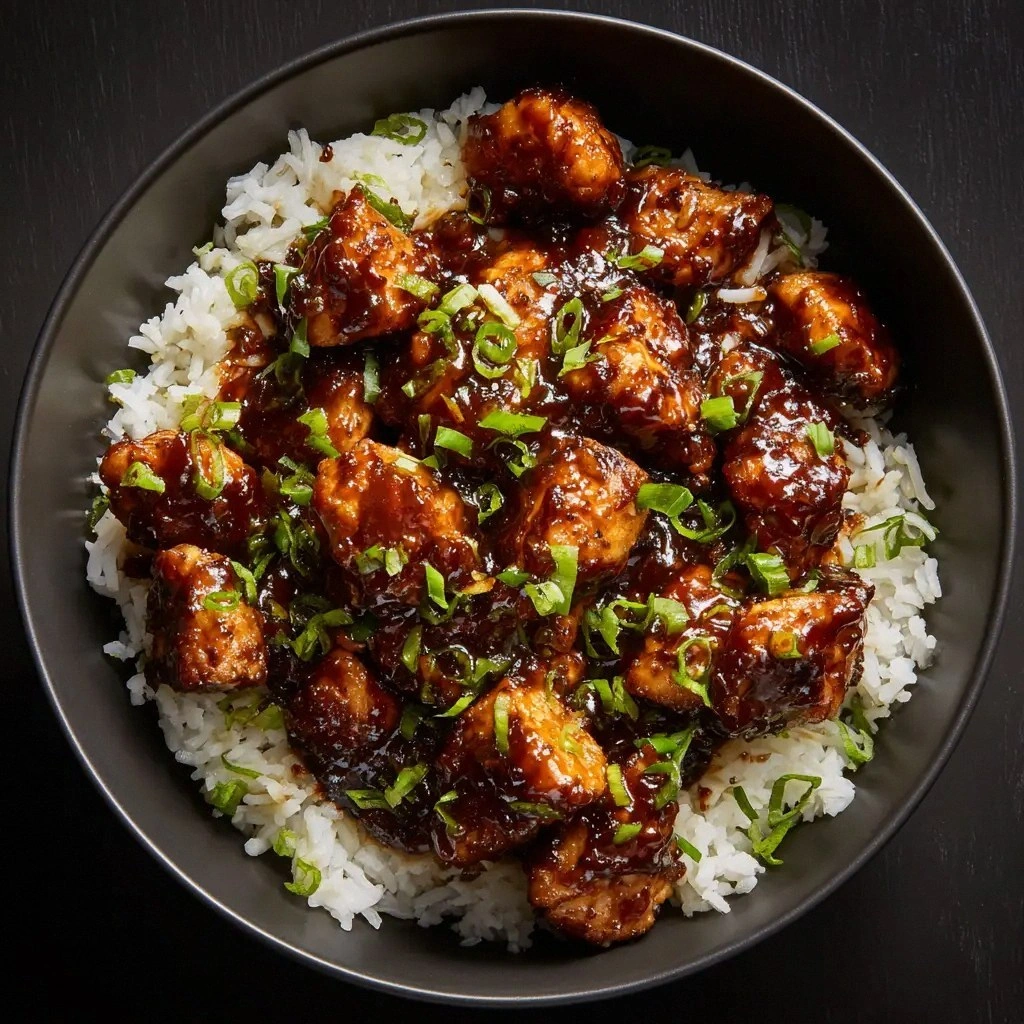
- Serve the chicken and peppers over a bed of warm, fluffy white rice, spooning the sauce over the top. The rice soaks up the flavors, creating a harmonious bite. The dish is ready to be devoured.
That’s it — you did it. But hold on, I’ve got a few more tricks that’ll take this to another level…
Insider Tricks for Flawless Results
The Temperature Rule Nobody Follows
Many cooks think high heat is always best, but the secret to juicy chicken lies in moderate, consistent heat. By starting with medium-high for the sear and then reducing to medium for the simmer, you avoid drying out the meat while still achieving a beautiful crust. I once tried cooking on high heat the entire time, and the chicken was tough and the sauce evaporated before the vegetables softened.
Why Your Nose Knows Best
Trust your nose to tell you when the onions are caramelizing. The sweet scent that wafts up is a sign that the sugars are breaking down. If you’re unsure, gently stir and look for golden-brown spots; that’s the cue to keep cooking. I used to overcook onions, and the dish tasted burnt, so I learned to listen.
The 5-Minute Rest That Changes Everything
After removing the skillet from heat, let the dish rest for 5 minutes before serving. This allows the juices to redistribute throughout the chicken, ensuring each bite is moist. It also gives the sauce time to thicken slightly, making it more luscious. I’ve seen people skip this step and end up with a watery sauce.
The Quick Sauté Hack
If you’re short on time, sauté the vegetables in a separate pan while the chicken sears. This two-pan approach speeds up the process without sacrificing flavor. Just be sure to combine the sauces at the end so everything blends nicely.
The Secret of Fresh Herbs
Adding fresh herbs at the end of cooking preserves their bright flavors. If you add them too early, the heat will dilute their aroma. I always add parsley just before serving, and it makes the dish feel fresh and lively.
The Final Touch of Lemon
A squeeze of fresh lemon juice right before serving brightens the dish and cuts through the richness. The acidity lifts the flavors and adds a zing that makes the dish feel lighter. I love this little extra, especially on hot summer nights.
Creative Twists and Variations
This recipe is a playground. Here are some of my favorite ways to switch things up:
Spicy Thai Twist
Swap the Cajun seasoning for Thai red curry paste, add a splash of coconut milk, and garnish with fresh cilantro. The coconut milk softens the heat, while the curry paste adds depth. This version is perfect for those who love a touch of exotic flavor.
Mediterranean Medley
Replace the bell peppers with sun-dried tomatoes and add olives for a briny bite. Finish with a drizzle of olive oil and a sprinkle of oregano. The sun-dried tomatoes bring a chewy texture and sweet acidity, while olives add a salty crunch.
Low-Carb Delight
Swap the white rice for cauliflower rice or shirataki noodles. The dish stays hearty but cuts down on carbs. The cauliflower rice absorbs the sauce beautifully, making it a satisfying low-carb option.
Vegan Version
Use tempeh or tofu instead of chicken, and replace the chicken stock with vegetable stock. Add a splash of tamari for umami. The result is a plant-based dish that still delivers the same comforting flavors.
Breakfast Boost
Serve the chicken and peppers over a bed of scrambled eggs and toast. The protein-packed breakfast is both comforting and energizing. Add a dash of hot sauce for a spicy kick to start your day.
Holiday Holiday
Add a handful of dried cranberries and a splash of balsamic reduction for a festive twist. The sweet and tart notes pair beautifully with the savory chicken. This version is great for holiday gatherings or a cozy winter dinner.
Storing and Bringing It Back to Life
Fridge Storage
Store leftovers in an airtight container in the refrigerator for up to 3 days. The dish’s sauce will thicken slightly, so add a splash of water or stock when reheating to restore its original consistency. The flavors will remain vibrant and delicious.
Freezer Friendly
For longer storage, place the dish in a freezer-safe container and keep it for up to 2 months. Thaw overnight in the refrigerator, then reheat on the stovetop with a splash of water or stock. The texture may change slightly, but the flavor stays intact.
Best Reheating Method
Reheat gently over low heat, stirring occasionally to prevent sticking. Add a tiny splash of water or stock to keep the sauce from drying out. Finish with a sprinkle of fresh parsley for a fresh, vibrant finish.