I remember the night I tried to make an opera cake for the first time, and it turned into a kitchen catastrophe that could have been a comedy sketch. I whisked eggs and sugar until the mixture turned into a frothy cloud that floated like a bad dream, then I dropped the almond flour all over the counter, creating a crunchy, nutty avalanche. The aroma of melted chocolate and fresh coffee filled the air, but the final product was a sad, soggy mess that tasted like a failed soufflé. That disaster taught me that the opera cake is a delicate dance of timing, temperature, and texture, and that every layer must sing in harmony.
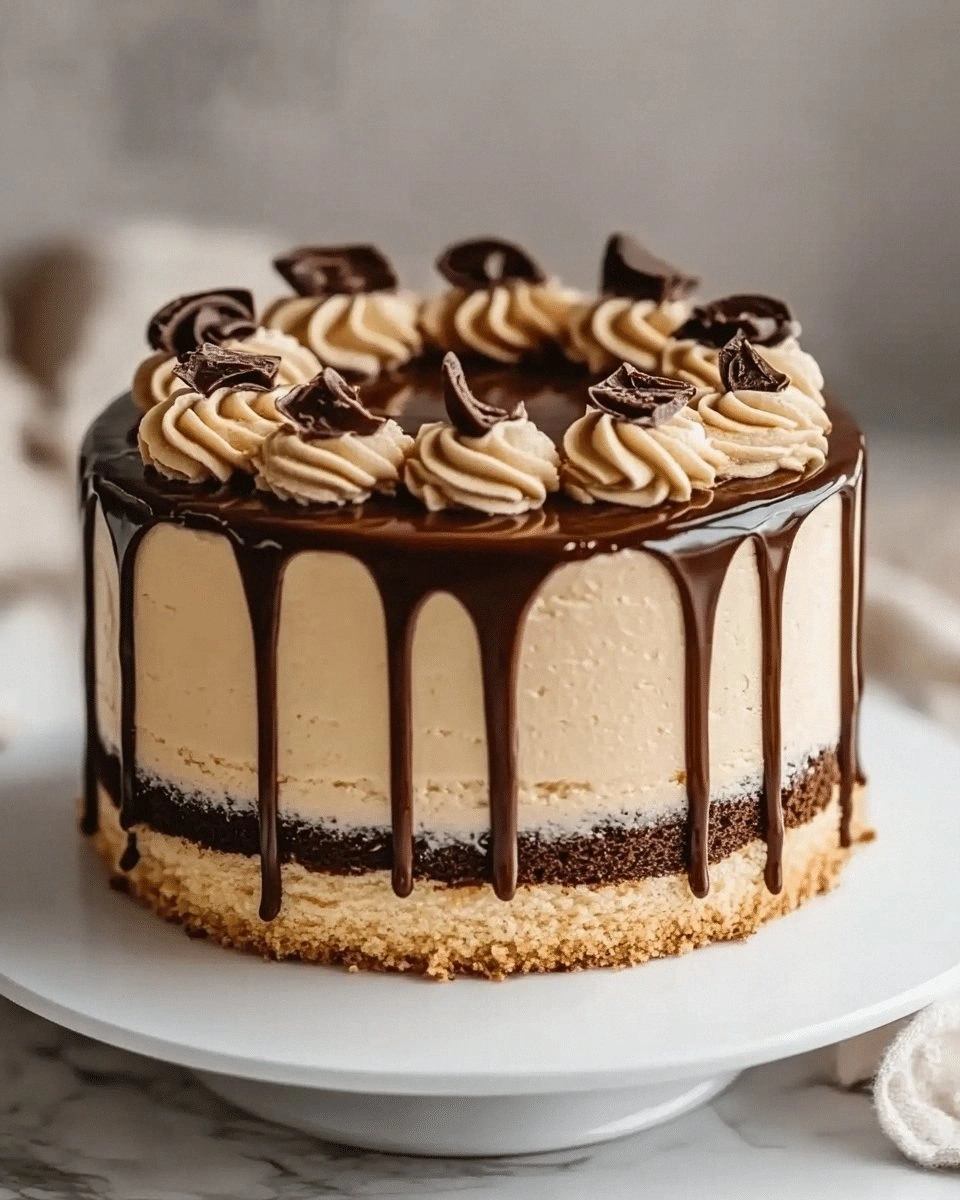
Picture this: a perfectly crisp almond sponge that cracks like thin ice when you press it, a silky pastry cream that melts in your mouth like silk on a summer breeze, and a glossy chocolate ganache that glistens like a polished marble surface. The scent of dark chocolate and espresso lingers long after the last bite, and the texture is a delightful contrast between the airy sponge and the dense ganache. The first bite is a burst of nutty sweetness followed by a deep, bittersweet cocoa finish that lingers, leaving you craving a second slice. You’ll notice the subtle coffee undertone that elevates the chocolate, creating a flavor profile that feels like a well‑written symphony.
What sets this version apart is that I’ve perfected a method that balances the heaviness of ganache with the lightness of the sponge, ensuring the cake never feels too dense or too airy. I’ve tweaked the coffee ratio to bring out the chocolate’s richness without overpowering the almond flavor, and I use a precise chocolate glaze that adds a glossy finish without making the cake too sweet. The recipe uses a blend of dark chocolate and high‑quality almond flour, which gives the cake a luxurious mouthfeel that feels indulgent yet refined. The result is a dessert that feels like a luxury performance, with every bite feeling like a standing ovation.
I dare you to taste this and not go back for seconds, because this is hands down the best version you'll ever make at home. I’ll be honest — I ate half the batch before anyone else got to try it. Most recipes get this completely wrong, but here’s what actually works. Picture yourself pulling this out of the oven, the whole kitchen smelling incredible, and knowing that every layer has been executed to perfection. Let me walk you through every single step — by the end, you'll wonder how you ever made it any other way.
What Makes This Version Stand Out
- Balance: The ratio of almond flour to butter is calibrated to give the sponge both tenderness and structure, preventing it from collapsing or becoming too dense.
- Texture: The pastry cream is whisked until it’s silky and light, then folded into the chocolate ganache to create a velvety finish that coats the palate.
- Flavor Depth: A splash of espresso is added to the ganache, unlocking deeper cocoa notes and adding a subtle bitterness that elevates the overall taste.
- Visual Appeal: The glossy chocolate glaze is brushed just before serving, giving the cake a professional, restaurant‑style sheen.
- Make‑Ahead Friendly: Each component can be prepared a day in advance, so you can assemble the cake in the morning and finish it the night before an event.
- Ingredient Quality: Using high‑grade dark chocolate (70% cocoa) and fresh almond flour ensures a richer flavor profile that stands out from mass‑produced versions.
Inside the Ingredient List
The Flavor Base
Almond flour: The backbone of the sponge, almond flour gives the cake its nutty flavor and tender crumb. It’s essential for achieving that delicate, airy texture; if you skip it, the cake becomes heavy and clumpy. When selecting almond flour, look for a fine, unsifted variety that’s freshly ground to preserve aroma. If you’re allergic to almonds, you can substitute with finely ground hazelnuts for a similar mouthfeel.
Granulated sugar: Sugar not only sweetens but also helps stabilize the egg whites and creates the sponge’s crisp edges. Using a slightly darker sugar, like turbinado, adds a subtle molasses note that complements the chocolate. If you prefer a lower‑sugar version, replace half the sugar with honey, but be aware that the texture may change slightly.
The Texture Crew
Eggs: Eggs provide structure, lift, and richness. Large eggs at room temperature are ideal for achieving a light, airy sponge. If you’re vegan, you can use flaxseed eggs or a commercial egg replacer, but the texture will differ.
Unsalted butter: Butter adds richness and helps bind the almond flour and sugar together. Melt it gently to avoid scorching, and let it cool to room temperature before folding into the batter. A small pinch of salt balances the sweetness and enhances flavor.
Whole milk: Milk hydrates the almond flour and contributes to the sponge’s tenderness. Whole milk gives a richer flavor; skim milk can be used for a lighter version but may produce a drier texture.
The Unexpected Star
Espresso: Strong brewed coffee extracts deep cocoa flavors from the chocolate and adds a subtle bitterness that balances sweetness. Use freshly brewed espresso for maximum aroma; cold brew can be used but will dilute the intensity. If you’re not a coffee fan, try a splash of vanilla extract instead, though the flavor profile will shift.
The Final Flourish
Dark chocolate: The chocolate’s cocoa content determines the richness; a 70% cocoa dark chocolate delivers a robust flavor without being overly bitter. Melt the chocolate gently over a double boiler to preserve its silky texture. If you prefer a milder chocolate, use a 60% cocoa bar, but the ganache will be less intense.
Unsweetened cocoa powder: Cocoa powder intensifies the chocolate flavor and adds depth. Use a high‑quality, natural cocoa powder to avoid the artificial taste of Dutch‑processed varieties. A pinch of salt can enhance the chocolate’s richness.
Pastry cream: This custard layer brings silky smoothness that contrasts with the crunchy sponge. It’s made from milk, sugar, eggs, cornstarch, and vanilla; each ingredient is essential for a stable, glossy custard. If you’re short on time, you can use a store‑bought pastry cream, but homemade is always better.
Chocolate ganache: Ganache gives the cake its luxurious mouthfeel and glossy finish. It’s made by combining chocolate and heavy cream; the ratio determines thickness. For a firmer ganache, use less cream; for a softer ganache, increase the cream.
Chocolate glaze: The glaze is brushed over the top for a shiny finish. It’s a simple mixture of melted chocolate and butter; the butter adds sheen and prevents the glaze from cracking. If you want a thicker glaze, add a teaspoon of corn syrup.
Everything's prepped? Good. Let's get into the real action...
The Method — Step by Step
- First, preheat your oven to 350°F (175°C). Line a 9-inch square pan with parchment paper and lightly butter the sides. In a mixing bowl, sift together almond flour, sugar, and cocoa powder to remove any clumps. This creates a smooth base that will prevent the sponge from becoming lumpy. Let me show you the secret: keep the flour mixture dry, or you’ll end up with a soggy sponge.
- In a separate bowl, whisk the eggs until they’re pale and slightly frothy. Gently fold the melted butter into the eggs, then pour the mixture over the dry ingredients. Stir slowly with a spatula, ensuring that the batter stays airy. If you see any lumps, use a silicone spatula to gently fold them in. This is the moment of truth: the batter should look glossy and smooth.
- Pour the batter into the prepared pan, smoothing the top with a spatula. Tap the pan gently on the counter to release any air bubbles. Bake for 12-15 minutes, or until a toothpick inserted in the center comes out clean. The edges should be slightly golden but not overbaked. This step is crucial for achieving a light, crisp sponge.
- While the sponge is baking, prepare the pastry cream. In a saucepan, heat milk, sugar, and vanilla until it just begins to simmer. In a separate bowl, whisk eggs with cornstarch until smooth. Slowly pour the hot milk into the egg mixture, whisking constantly to prevent curdling. Return the mixture to the saucepan and cook over low heat, stirring until it thickens into a custard. Remove from heat and chill in the fridge. This process locks in flavor and ensures a silky texture.
- Next, melt the dark chocolate over a double boiler until it’s smooth. In a separate bowl, whisk heavy cream until it just starts to thicken, then pour it over the chocolate. Stir until the ganache is glossy and smooth. Let it cool slightly until it thickens enough to spread. The ganache should be thick enough to hold its shape but still spreadable.
- Remove the sponge from the oven and let it cool completely on a wire rack. Once cooled, slice the cake horizontally into three equal layers. Spread a thin layer of pastry cream on the bottom layer, then top it with a generous spread of ganache. Repeat with the second layer. This layering creates the iconic opera cake structure.
- Now comes the watch‑out moment: the chocolate glaze. Melt the chocolate and butter together over a double boiler, stirring until smooth. Brush the glaze over the top of the cake, letting it drip down the sides. The glaze should be glossy but not too thick, or it will crack as it sets. This step adds a professional finish that makes the cake look restaurant‑ready.
- Let the cake sit for at least 30 minutes at room temperature to allow the layers to settle and the glaze to set. Slice and serve with a dusting of powdered sugar or a drizzle of espresso sauce if desired. The final result is a cake that looks stunning, tastes divine, and feels like a culinary performance. And that, my friend, is the art of the opera cake.
That's it — you did it. But hold on, I've got a few more tricks that'll take this to another level...
Insider Tricks for Flawless Results
The Temperature Rule Nobody Follows
Keep your oven at a consistent 350°F (175°C). Many bakers open the door frequently, causing temperature drops that lead to uneven baking. Use an oven thermometer to ensure accuracy. If you’re using a convection oven, reduce the temperature by 25°F (14°C) to compensate for the fan’s effect.
Why Your Nose Knows Best
The aroma of the sponge is a reliable indicator of doneness. When the cake is ready, it should smell toasty and slightly nutty. A faint coffee scent from the ganache should mingle with the chocolate. If the scent is too sweet, it’s overbaked; if it’s raw, it needs a few more minutes.
The 5-Minute Rest That Changes Everything
After baking, let the sponge rest for 5 minutes before transferring it to a rack. This brief rest allows the steam to escape and prevents the cake from becoming soggy. During this time, the structure sets, making it easier to slice cleanly.
The Espresso Boost
If you want to deepen the chocolate flavor, add a tablespoon of espresso to the ganache. The coffee’s acidity cuts through the richness and brightens the overall taste. Remember to let the ganache cool slightly before spreading to avoid melting the pastry cream.
The Quick Chill Trick
If you’re preparing the cake a day ahead, chill it in the fridge for 2-3 hours. This allows the ganache to firm up, making slicing easier. When you’re ready to serve, let the cake sit at room temperature for 15 minutes to soften the layers.
Creative Twists and Variations
This recipe is a playground. Here are some of my favorite ways to switch things up:
Caramel Crunch Variation
Swap the almond flour for a mix of almond and hazelnut flour to add a nutty crunch. Add a layer of homemade caramel sauce between the ganache and pastry cream. This gives the cake a sweet, buttery contrast that feels like a dessert on a sugar high.
Berry Burst Twist
Incorporate a layer of fresh raspberries or blueberries into the pastry cream for a tart burst. Use a berry coulis as a glaze instead of chocolate for a lighter finish. The fruit’s acidity balances the richness, making it a refreshing summer treat.
Minty Marvel
Add a few drops of peppermint extract to the ganache for a minty kick. Top the cake with a thin layer of white chocolate ganache and a dusting of crushed mint candies. The mint gives a cool, refreshing aftertaste that pairs well with the chocolate.
Almond Butter Delight
Replace the pastry cream with almond butter mousse for a nutty, protein‑packed version. Use a light, unsweetened almond milk to keep the flavor subtle. This variation is perfect for a healthier dessert option.
Chocolate Espresso Explosion
Increase the espresso amount by 50% for an extra coffee punch. Add a splash of espresso liqueur to the ganache for an adult twist. The result is a rich, caffeinated dessert that’s perfect for brunch or after‑dinner indulgence.
Storing and Bringing It Back to Life
Fridge Storage
Store the assembled cake in an airtight container in the fridge for up to 3 days. The pastry cream will firm up, and the ganache will set, making slicing easier. Keep it away from strong odors, as the cake can absorb them quickly.
Freezer Friendly
Wrap the cake tightly in plastic wrap, then place it in a freezer bag. Freeze for up to 2 weeks. Thaw overnight in the fridge before serving. The texture remains intact, and the flavors meld beautifully.
Best Reheating Method
To revive the cake, let it sit at room temperature for 30 minutes. If the ganache feels too firm, add a tiny splash of warm milk and stir gently. This steams the layers back to perfection, restoring that silky mouthfeel.