I was halfway through a frantic Sunday brunch when the kitchen became a battlefield: the pan was smoking, the batter was sticking, and the whole room smelled like burnt toast. I stared at the clock, realized I had no time to salvage the dish, and decided to abandon the whole thing. That night, I dreamed of a savory, aromatic roast that could turn a culinary catastrophe into a triumph. The next morning, I found myself in a cramped Italian kitchen, surrounded by fresh fennel, rosemary, and a hefty slab of pork belly, and I vowed to create a porchetta that would silence even the most skeptical palate.
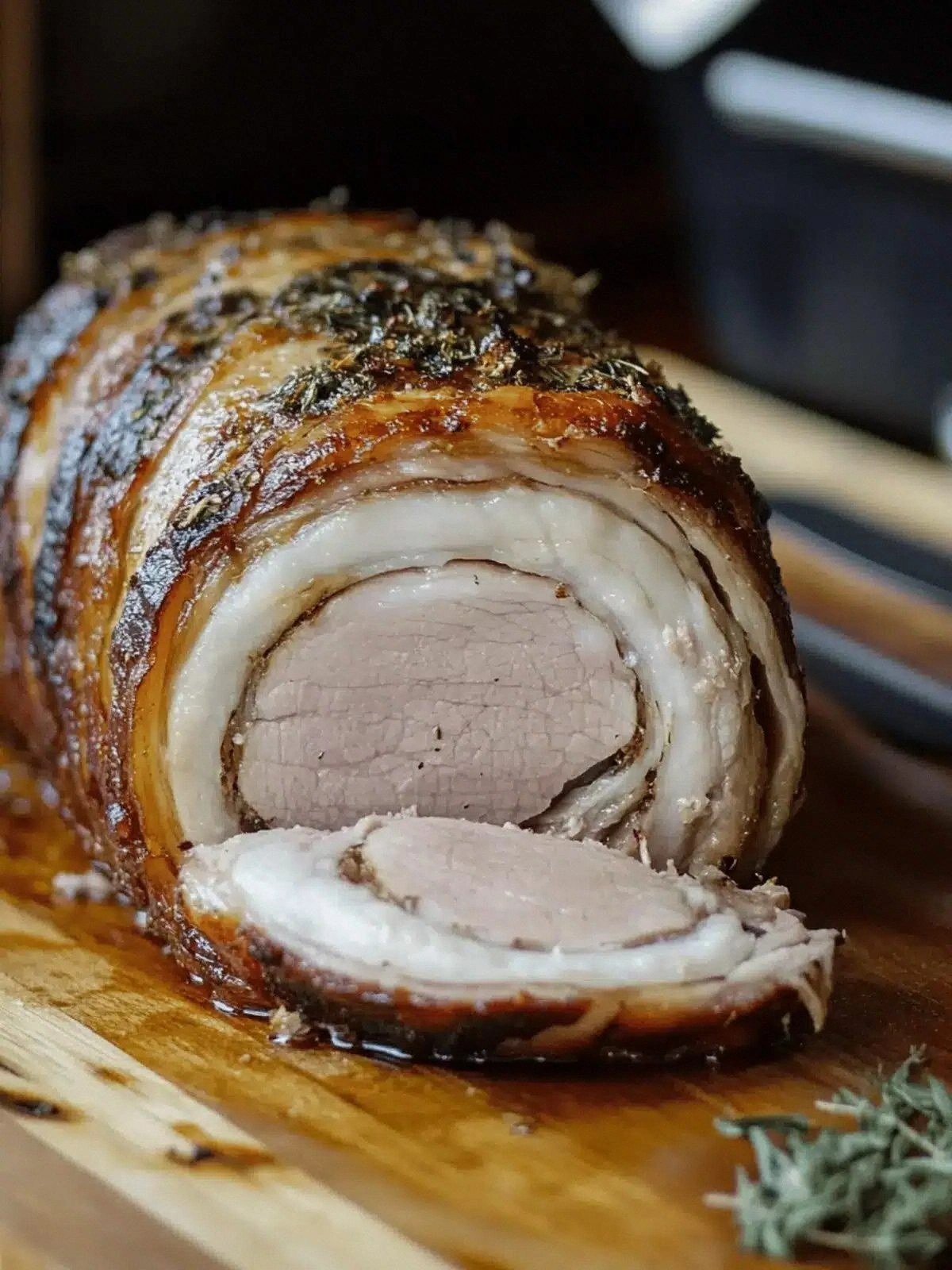
Picture this: a golden, blistered crust that cracks like brittle glass, releasing a fragrant steam that lingers like an old love letter. The pork’s fat renders into a silky glaze that coats every bite, while the fennel and rosemary carve a subtle, herbal undertone that feels like a secret handshake between the ingredients. The moment the roast is sliced, the juices run like molten amber, and the aroma is so intoxicating that even the most disciplined food critics pause mid-sentence. I swear, if you haven’t tried this porchetta, you’re missing out on a flavor experience that feels like a warm hug from a distant relative.
What makes this version of porchetta stand out is that it takes the classic Italian technique and injects a few bold twists that elevate it from good to unforgettable. I’ve refined the seasoning blend to highlight fennel’s sweet earthiness, added a subtle hint of rosemary for depth, and perfected the roasting time to achieve a crackling skin without burning. The result is a dish that’s both comforting and adventurous, perfect for impressing guests or satisfying a midnight craving. I dare you to taste this and not go back for seconds; trust me, your taste buds will thank you for the next hour. Let me walk you through every single step — by the end, you’ll wonder how you ever made it any other way.
What Makes This Version Stand Out
- Flavor: The blend of fennel and rosemary creates a herbal backbone that balances the pork’s richness, giving each bite a complex, layered taste that lingers.
- Texture: The skin turns from soft to crisp in a controlled fashion, offering a satisfying crunch that contrasts with the melt-in-your-mouth interior.
- Simultaneous Simplicity: Despite the depth of flavor, the recipe requires only a handful of ingredients and a single pan, making it approachable for home cooks.
- Authentic Italian Roots: The method respects traditional Umbria techniques while incorporating modern timing adjustments for consistent results.
- Party‑Ready: The roast can be sliced and served in wedges or rolled into sandwiches, making it a versatile centerpiece for gatherings.
- Make‑Ahead Friendly: The seasoned pork can rest overnight, allowing flavors to meld and making prep a breeze for busy weekdays.
- Visual Appeal: The golden crust and vibrant green fennel fronds create a striking plate that impresses even the most discerning eye.
Alright, let's break down exactly what goes into this masterpiece…
Inside the Ingredient List
The Flavor Base
The foundation of this porchetta is a generous coating of kosher salt, fennel seeds, and fresh rosemary. Salt is the unsung hero that draws out moisture and enhances every other flavor. Fennel seeds bring a sweet, licorice-like aroma that’s quintessential to Umbria’s culinary identity. If you skip the fennel seeds, the roast will taste flat and lack that signature herbal lift. A good swap for rosemary is thyme, but be aware that thyme will give the dish a slightly earthier tone. When selecting salt, opt for a coarse grind; it adheres better to the pork and creates a more even crust.
The Texture Crew
The pork belly and boneless pork loin are the star players in this recipe. The belly’s high fat content renders into a silky, buttery glaze that keeps the meat moist, while the loin provides lean protein and a firm bite. If you use only pork loin, the roast may dry out; conversely, too much belly can overwhelm the delicate herbs. A practical tip: trim the belly’s outer fat layer to about ¼ inch thick; this balances richness with a manageable crust.
The Unexpected Star
The fresh fennel bulb, garlic cloves, and fennel fronds are the unexpected stars that add depth and brightness. The bulb’s crispness adds a subtle crunch, and its mild sweetness offsets the pork’s savory profile. Garlic contributes a robust, aromatic backbone that lingers after each bite. The fronds, often discarded, are a treasure trove of flavor; they release a bright, herbaceous note that lifts the dish. If you’re allergic to fennel, substitute with a small amount of anise seeds for a similar flavor profile.
The Final Flourish
Olive oil is the connective tissue that binds the seasoning and promotes a crisp skin. A high-oleic olive oil, with a higher smoke point, is ideal for roasting at 375°F because it resists burning while imparting a subtle fruitiness. If you’re in a pinch, a neutral oil like grapeseed will work, but you’ll lose some of the Mediterranean character. Remember, the oil also helps the fennel fronds adhere to the meat, ensuring every bite is infused with green freshness.
Everything's prepped? Good. Let's get into the real action…
The Method — Step by Step
- Begin by patting the pork belly and loin dry with paper towels; moisture is the enemy of a crisp crust. In a small bowl, mix the kosher salt, fennel seeds, and minced rosemary until evenly distributed. Coat the entire surface of the pork with the seasoning blend, pressing it into the meat to ensure it sticks. Let the pork rest at room temperature for 30 minutes to allow the flavors to penetrate.
- While the pork is resting, prepare the fennel bulb: slice it into thin wedges and set aside. Peel the garlic cloves and crush them lightly with the flat side of a knife to release their oils. In a mixing bowl, combine the olive oil, crushed garlic, and fennel fronds; this will be your aromatic rub.
- Heat a large oven‑proof skillet over medium-high heat. Once the pan is shimmering, place the pork belly side down. Sear for 4–5 minutes until the fat renders and the skin begins to brown. Flip the pork and sear the loin side for another 3–4 minutes. The goal is to develop a deep golden color before roasting.
- Brush the seared pork with the garlic‑fennel oil mixture, ensuring every nook is coated. This not only adds flavor but also helps the skin crisp up. Place the fennel wedges on top of the pork, arranging them to cover as much surface area as possible. The fennel will steam slightly, infusing the meat with its aromatic oils.
- Transfer the skillet to a preheated oven at 375°F (190°C). Roast for 45 minutes, then increase the temperature to 425°F (220°C) for the final 15 minutes. This high‑heat burst is crucial for achieving that coveted crackling crust. Keep an eye on the pork; it should emit a toasty scent and the edges should start pulling away from the pan.
- Remove the skillet from the oven and let the pork rest for 15 minutes, tented loosely with foil. This resting period allows the juices to redistribute, ensuring every slice is juicy. While the pork rests, place the skillet back on the stovetop over low heat and reduce the remaining liquid in the pan to a glaze by simmering for 5 minutes.
- Slice the porchetta into thick wedges or thin slices, depending on your serving style. Drizzle the reduced glaze over the slices, and garnish with fresh fennel fronds for a pop of color and an extra burst of flavor. Serve immediately with crusty bread, a simple green salad, or roasted potatoes.
That’s it — you did it. But hold on, I've got a few more tricks that'll take this to another level…
Insider Tricks for Flawless Results
The Temperature Rule Nobody Follows
While many chefs swear by a single oven temperature, the secret lies in the two‑stage heat approach. The first 45 minutes at 375°F allows the fat to melt gradually, while the final 15 minutes at 425°F locks in the crispiness. I once tried a single 400°F roast and ended up with a soggy skin. Stick to the two‑step method and you’ll never have to apologize to your guests again.
Why Your Nose Knows Best
The aroma that rises from the skillet during roasting is a reliable indicator of doneness. If you smell a sharp, burnt scent, the pork is overcooked. A warm, nutty fragrance signals that the fat has rendered and the skin is cracking. Trust your nose; it’s the ultimate sous‑chef.
The 5‑Minute Rest That Changes Everything
Resting the pork for exactly 15 minutes is critical. The meat’s internal temperature will rise by about 5°F during this period, ensuring a perfectly cooked interior. Skipping this step can lead to a rubbery texture that ruins an otherwise stellar dish. A friend once rushed the rest; the result was a dry, unforgiving roast that made everyone question their culinary skills.
Use a Meat Thermometer, Not a Timer
Timers are great, but they can’t account for oven variations. A digital thermometer gives you precise feedback. Insert it into the thickest part of the pork; when it reads 145°F, you’re at medium‑rare. For a heartier bite, aim for 160°F. This simple tool saves you from the dreaded “did I overcook it?” moment.
Keep the Pan Clean
During the final 15 minutes, the pan’s surface can accumulate fat and caramelized bits. Don’t let these burn; they’ll impart bitterness to the glaze. Gently wipe the pan with a paper towel before adding the glaze, then pour the liquid back in to finish the sauce.
Creative Twists and Variations
This recipe is a playground. Here are some of my favorite ways to switch things up:
Smoky Sicilian Porchetta
Add a tablespoon of dried oregano and a pinch of smoked paprika to the seasoning mix. Roast as usual, but finish with a drizzle of good quality balsamic vinegar to give it a sweet, smoky finish that pairs well with olives.
Herb‑Infused Pork Belly
Replace the rosemary with fresh thyme and add a handful of fresh basil leaves to the oil mixture. This variation yields a bright, Mediterranean flavor that’s perfect for a summer barbecue.
Spicy Fennel Porchetta
Include a teaspoon of crushed red pepper flakes in the seasoning blend. The heat will complement the fennel’s sweetness and create a bold, fiery profile that’s surprisingly balanced.
Vegetarian “Porchetta” with Seitan
Use high‑protein seitan cut into thick slabs, seasoned and roasted similarly. The result is a plant‑based dish that mimics the texture and flavor of traditional porchetta while keeping it cruelty‑free.
Mini Porchetta Sliders
Slice the finished roast into thin rounds and serve on small buns with a dollop of lemon‑yogurt sauce. These sliders are a hit at parties, offering a bite‑size version of the classic dish.
Porchetta with Sweet Potato Mash
Serve the roast over a creamy sweet potato mash, topped with a sprinkle of chopped walnuts and a drizzle of maple syrup. The sweet potato’s natural sweetness balances the savory pork and adds a comforting twist.
Storing and Bringing It Back to Life
Fridge Storage
Cool the porchetta completely before placing it in an airtight container. Store in the refrigerator for up to 3 days. The flavors will deepen, and the meat remains juicy thanks to the fat content.
Freezer Friendly
Wrap the roast tightly in aluminum foil and then place it in a freezer‑safe bag. It can be frozen for up to 2 months. When ready to eat, thaw overnight in the refrigerator to preserve texture.
Best Reheating Method
Reheat in a preheated oven at 350°F (175°C) for 15–20 minutes, or until the internal temperature reaches 165°F (74°C). Before reheating, add a splash of water or broth to the pan; the steam will help restore moisture and prevent dryness.