I swear I’ve never been more terrified of a kitchen experiment than the day I decided to combine three of my biggest cravings into one chaotic, sweet‑savory beast. There I was, a half‑empty pumpkin can, a sticky jar of caramel, and a lone bag of biscuit dough that had been sitting in the fridge for days, daring me to do something ridiculous. The aroma that hit me as the butter melted and the pumpkin puree hit the pan was pure autumnal magic, a mix of spice and sugar that made my nose twitch like a squirrel on caffeine. I could already hear the “mmm” from the crowd that would later gather around my counter, hungry for the first bite.
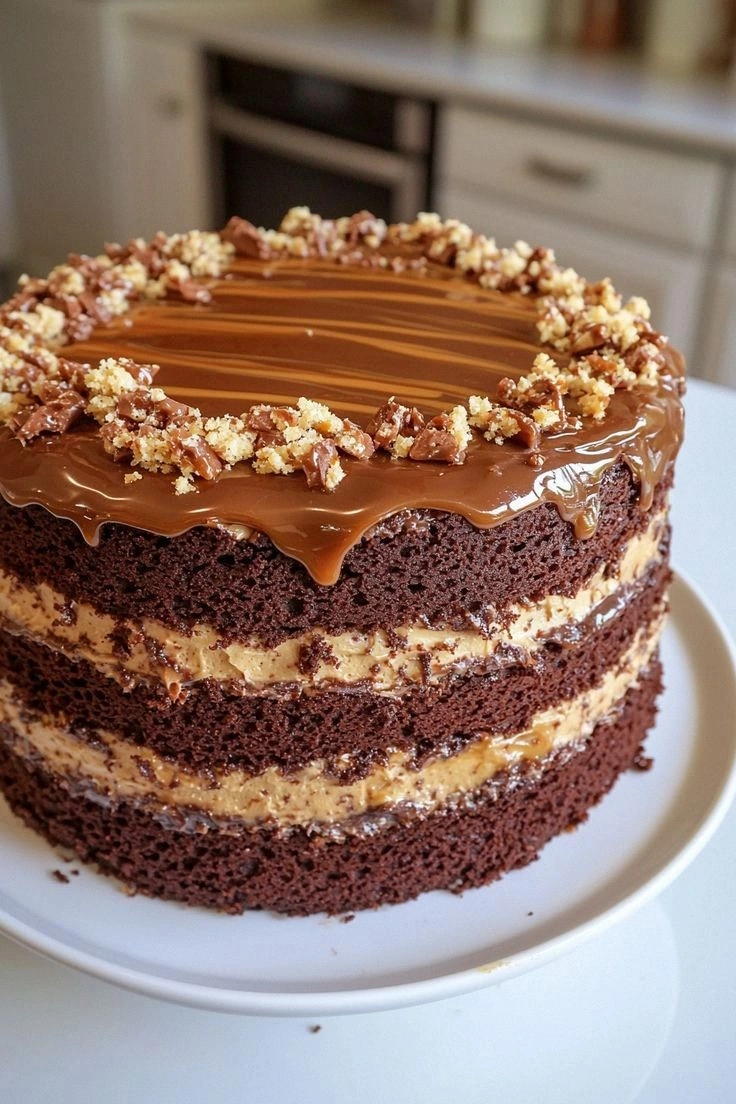
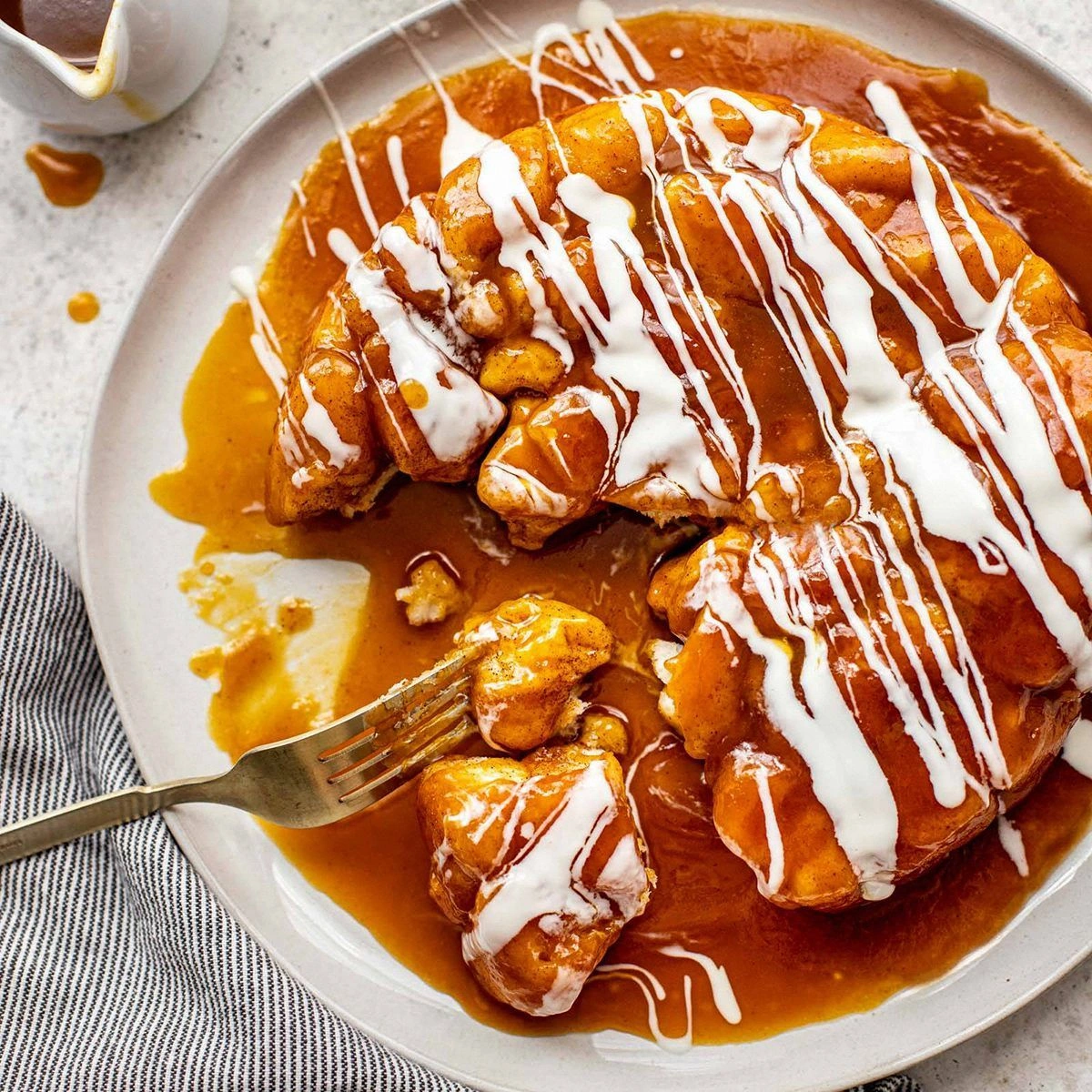
Picture this: a golden‑brown crown of caramel‑glazed pumpkin dough, each bite a soft, fluffy pillow that gives way to molten caramel pockets, while a whisper of pumpkin spice dances on the tongue like a crisp October breeze. The crust crackles just enough to give you that satisfying “snap” before giving in to the melt‑in‑your‑mouth interior, and the scent? Imagine a bakery that’s just opened its doors on a breezy fall morning, the smell of fresh pumpkin rolls mingling with sweet, buttery caramel—pure, unadulterated comfort. My hands were slick with sugar, my kitchen was a whirlwind of whisked batter, sizzling pans, and the occasional oops moment when a dough ball stuck to the bottom of my mixing bowl.
Most monkey bread recipes are either overly sweet, drown in syrup, or end up as a soggy mess that looks like a failed science experiment. This version flips the script entirely. By layering pumpkin‑infused dough with a caramel glaze that sets just right, we achieve that perfect balance between sweet and spice, and a texture that’s simultaneously crisp on the outside and pillowy on the inside. I’ll be honest — I ate half the batch before anyone else got to try it, and that’s a confession I’m willing to make because the flavor is that good.
There’s also a secret ingredient that most people overlook: a splash of maple syrup tucked into the dough, which adds a depth of flavor that makes the caramel sing like a choir of angels. I dare you to taste this and not go back for seconds. If you’ve ever tried a monkey bread that fell flat, you’re not alone — and I’ve got the fix. Let me walk you through every single step — by the end, you’ll wonder how you ever made it any other way.
What Makes This Version Stand Out
- Flavor Fusion: Pumpkin, caramel, and a hint of maple create a symphony that’s both nostalgic and exciting, turning a simple snack into a dessert masterpiece.
- Texture Triumph: The outer crust cracks like thin ice while the interior stays soft and airy, giving you that satisfying contrast in every bite.
- Simplicity: Despite the gourmet vibe, the recipe uses pantry staples and a single bowl for most of the dough, making it approachable for even the most timid bakers.
- Unique Twist: A caramel glaze that sets both glossy and slightly crisp, unlike the gooey mess you get from ordinary syrup drizzles.
- Crowd‑Pleaser: This bread disappears in minutes at brunches, parties, and even as a cozy night‑in treat—people keep asking for the recipe.
- Ingredient Quality: Using pure pumpkin puree and a good-quality caramel sauce makes the flavors sing, no artificial additives needed.
- Cooking Method: Baking in a bundt pan ensures even heat distribution, while the “roll‑and‑coat” technique creates uniform caramel pockets.
- Make‑Ahead Potential: You can prep the dough a day ahead, refrigerate, and bake fresh the next morning for that just‑baked aroma.
Inside the Ingredient List
The Flavor Base
Pure pumpkin puree (0.5 cup) brings an earthy sweetness that’s the heart of this bread; it also adds moisture, keeping each bite tender. Skip it, and you’ll end up with a bland, dry dough that feels more like a biscuit than a monkey bread. If fresh pumpkin is out of season, look for canned puree with no added sugars or spices for the purest flavor.
Maple syrup (0.25 cup) is the silent hero, infusing the dough with a caramel‑like depth that pairs perfectly with the actual caramel glaze. It also helps the dough brown beautifully. In a pinch, you can swap honey, but expect a slightly different flavor profile.
Warm milk (1 cup) activates the yeast and creates a silky, cohesive dough that rises evenly. Use whole milk for richness; skim works, but the texture won’t be as luscious. When measuring, make sure the milk is between 105‑110°F—any hotter and you’ll kill the yeast.
The Texture Crew
All‑purpose flour (2 cups) provides the structural backbone. I recommend sifting it with the dry spices to avoid lumps and ensure an even rise. If you prefer a lighter crumb, substitute half with cake flour, but watch the dough—too much cake flour can make it crumbly.
Granulated sugar (0.25 cup) and brown sugar (0.25 cup) work together: the white sugar sweetens while the brown sugar adds a subtle molasses note that deepens the caramel flavor. Skipping the brown sugar will make the glaze taste one‑dimensional.
Egg (1) binds everything together and gives the dough a rich golden hue. For a dairy‑free version, replace with a flax egg (1 tbsp ground flax + 3 tbsp water) but expect a slightly denser texture.
Salt (0.5 tsp) is the unsung flavor enhancer; it brings out the pumpkin and caramel notes, preventing the end result from tasting “flat.”
The Unexpected Star
Caramel sauce (0.5 cup) is drizzled over the dough balls before baking, creating those luscious pockets of gooey goodness. Choose a high‑quality sauce with a pinch of sea salt for a salty‑sweet contrast that will blow your mind.
Chopped walnuts (0.25 cup) add a crunchy surprise that balances the softness; they’re optional but highly recommended for texture variety. Toast them lightly for an extra toasty flavor.
The Final Flourish
Unsalted butter (0.125 cup, melted) is brushed over the outer dough balls before they hit the oven, ensuring a crisp, golden crust that shatters like thin ice when you pull them apart. For an extra caramel sheen, melt an additional tablespoon of butter with a dash of brown sugar and drizzle after baking.
Everything's prepped? Good. Let's get into the real action…

The Method — Step by Step
- In a large mixing bowl, combine warm milk, a pinch of sugar, and the active dry yeast. Let it sit for 5–7 minutes until it becomes frothy and bubbly; this is the “proof” stage where the yeast wakes up, and you’ll see it puff up like a tiny cloud. If it doesn’t foam, your milk was likely too hot or the yeast is dead—don’t panic, just start over with fresh yeast.
- While the yeast is waking up, whisk together the pumpkin puree, maple syrup, melted butter, egg, and both sugars in a separate bowl. The mixture should look smooth, glossy, and slightly thick—think liquid caramel meets autumn. This is where the flavors start to marry, and the scent should already be intoxicating.
- Gradually add the flour, pumpkin spice, cinnamon, and salt to the wet mixture, alternating with the yeast mixture. Stir until just combined; the dough will be shaggy but cohesive. Over‑mixing develops gluten and can make the bread tough, so stop once the flour disappears.
- Turn the dough onto a lightly floured surface and knead gently for about 2 minutes—just enough to bring it together into a smooth ball that springs back when pressed. This short knead keeps the crumb airy while still giving structure.
- Place the dough ball in a lightly oiled bowl, cover with a clean kitchen towel, and let it rise in a warm spot for 45 minutes, or until doubled in size. The kitchen will start to smell like a pumpkin‑spice latte, and you’ll hear a faint “puff” as the dough expands.
- Punch down the risen dough gently to release any large air pockets, then divide it into 30 equal pieces (about 1‑inch in size). Roll each piece into a smooth ball, then dip it into the melted butter before coating generously with caramel sauce. The caramel should cling like a glossy armor; if it slides off, add a tiny drizzle of maple syrup to help it stick.
- Arrange the coated dough balls in a greased 10‑inch bundt pan, layering them tightly but not squishing. Every few layers, drizzle a bit more caramel sauce and sprinkle chopped walnuts if you’re using them. This layering creates those signature caramel ribbons that will ooze out when you pull a piece apart.
- Preheat your oven to 350°F (175°C). While the oven warms, give the assembled pan a final light brush with melted butter to ensure a golden, crackly crust. Place the pan on the middle rack and bake for 30‑35 minutes, or until the top is a deep amber and a toothpick inserted near the center comes out clean.
- Once baked, let the monkey bread cool in the pan for about 10 minutes—this allows the caramel to set slightly, preventing it from spilling everywhere. Then invert the pan onto a serving platter; watch as the caramel glaze cascades down the sides like a sticky waterfall. That sizzle when it hits the plate? Absolute perfection.
That's it — you did it. But hold on, I've got a few more tricks that'll take this to another level. Trust me, these insider tips will make your next batch even more unforgettable.
Insider Tricks for Flawless Results
The Temperature Rule Nobody Follows
Never bake monkey bread at a temperature lower than 350°F. The higher heat creates that coveted crackly crust while keeping the interior soft. I once tried a “gentle bake” at 325°F hoping for a lighter crumb, only to end up with a soggy, doughy mess that clung to the pan. Keep the oven door shut for the first 20 minutes; opening it too early drops the temperature and ruins the rise.
Why Your Nose Knows Best
While the bread bakes, trust your sense of smell more than the timer. When you catch a faint caramel scent mingling with pumpkin spice, you’re approaching the perfect doneness. If the aroma turns overly burnt, pull the loaf out a minute early and tent it with foil to finish cooking without over‑caramelizing.
The 5‑Minute Rest That Changes Everything
After inverting the loaf, let it sit for exactly five minutes before slicing. This brief rest lets the caramel thicken just enough to stay glued to the dough pieces instead of pooling on the plate. Skipping this step results in a drippy mess that makes even the cleanest eater frown.
Even Coating, Even Heat
Apply the caramel glaze in thin, even layers rather than one thick coat. Thick glazes can burn at the edges while remaining gummy in the center. A light brush‑and‑sprinkle method ensures uniform caramelization and prevents those dreaded sticky hotspots.
Friend’s Fail: Skipping the Walnut Toast
A buddy of mine once omitted the toasted walnut step, thinking it was “optional.” The result? A lovely bread that tasted great but lacked that satisfying crunch. Toasting the nuts for just two minutes brings out a toasty aroma that pairs beautifully with the sweet caramel.
Creative Twists and Variations
This recipe is a playground. Here are some of my favorite ways to switch things up:
Apple‑Cinnamon Caramel
Swap the pumpkin puree for a cup of grated apple and increase cinnamon to 2 tsp. The apple adds a fresh tartness that brightens the caramel, perfect for a late‑summer brunch.
Chocolate‑Hazelnut Delight
Fold in 1/4 cup of cocoa powder into the dough and replace half the caramel sauce with a hazelnut spread. The result is a rich, mocha‑like treat that pairs wonderfully with coffee.
Spiced Chai Monkey Bread
Replace pumpkin spice with a chai blend (cardamom, ginger, cloves) and add a splash of black tea concentrate to the wet mix. This gives an exotic, aromatic twist that feels like a travel‑inspired snack.
Vegan Whisper
Use almond milk, replace the egg with a flax “egg,” and choose a dairy‑free caramel sauce. The texture remains just as fluffy, and the flavor profile stays true to the original.
Savory Breakfast Version
Omit the sugars and caramel, add shredded cheddar, crumbled bacon, and a dash of smoked paprika. This transforms the sweet loaf into a hearty, savory breakfast feast that pairs with a hot cup of coffee.
Maple‑Pecan Glaze
Swap the caramel for a maple‑pecan glaze: melt butter, whisk in maple syrup, and stir in toasted pecans. Drizzle over the baked loaf for an extra nutty crunch.
Storing and Bringing It Back to Life
Fridge Storage
Transfer any leftovers to an airtight container and store in the refrigerator for up to 4 days. The caramel may firm up slightly, but a quick re‑warm in the microwave will bring back its softness.
Freezer Friendly
Wrap the entire loaf tightly in plastic wrap, then foil, and freeze for up to 2 months. Thaw overnight in the fridge, then let it sit at room temperature for 20 minutes before reheating.
Best Reheating Method
Preheat your oven to 300°F, place the sliced pieces on a parchment‑lined tray, and add a tiny splash of water (about a teaspoon) over the top. Cover loosely with foil and heat for 8‑10 minutes. The steam created revives the caramel’s gooeyness while the crust stays pleasantly crisp.