I was in the middle of a chaotic Saturday night, juggling a half‑finished lasagna, a broken blender, and a neighbor who kept demanding to borrow sugar. In the midst of that culinary circus, I grabbed a single sheet of puff pastry from the freezer, tossed a handful of grated Parmesan onto the counter, and whispered a dare to my cat: “If you can’t stop me from eating these, I’ll give you the last piece of chicken.” That moment of pure, frantic improvisation birthed what I now swear is the ultimate snack you’ll ever make at home.
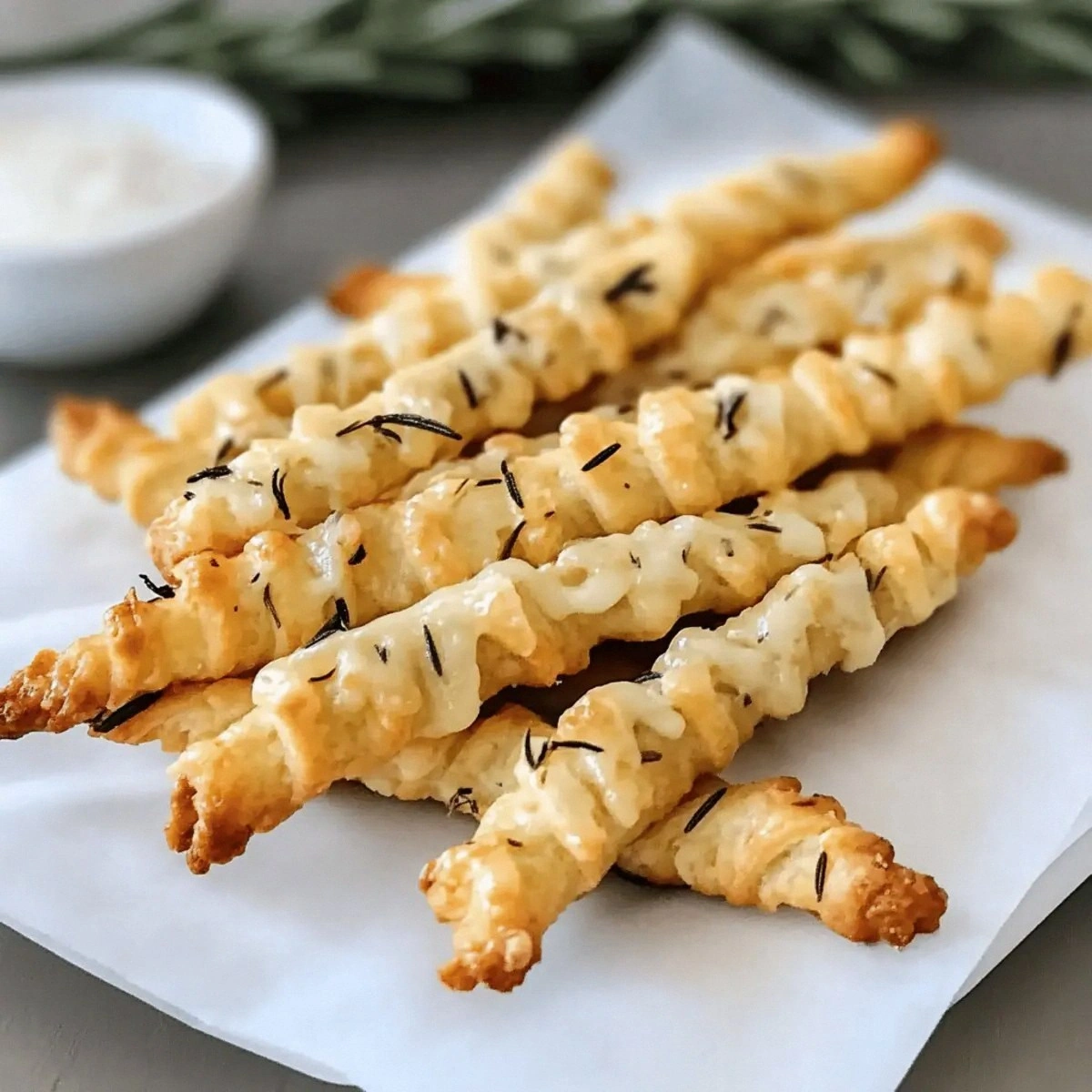
Imagine the oven door swinging open, a warm breeze spilling out, carrying the intoxicating perfume of rosemary and toasted cheese. The kitchen lights flicker just enough to make the golden edges of the straws glisten like sunrise on a calm sea. You hear the gentle hiss as the pastry lifts, a subtle crackle that promises a crunch louder than any chip bag. The first bite is a buttery, flaky sheet that shatters like thin ice, instantly followed by a salty, nutty explosion of Parmesan that coats your tongue in creamy decadence. Your fingertips feel the delicate crispness, and you can’t help but smile because you’ve just created a snack that feels both elegant and comfort‑food‑level cozy.
Most recipes for cheese straws either skimp on flavor or overcomplicate the technique, leaving you with a soggy, bland result that feels more like a failed pastry experiment than a celebration. This version flips the script by using fresh rosemary to inject an aromatic punch, a generous dose of high‑quality Parmesan for depth, and a quick‑roll method that guarantees every strand lifts off the pan in perfect, airy layers. The secret? A brief chill in the fridge before baking, which locks in steam and creates those coveted, flaky layers that practically melt in your mouth.
I’m about to spill the beans on a technique that most bakers overlook: a brief “cold‑shock” after cutting the straws, followed by a blast of high heat that turns the dough into a puffed, buttery cloud. Trust me, once you try this, you’ll never settle for store‑bought cheese crackers again. I dare you to taste this and not go back for seconds. Let me walk you through every single step — by the end, you’ll wonder how you ever made it any other way.
What Makes This Version Stand Out
- Flavor Explosion: Fresh rosemary and sharp Parmesan team up for a taste that’s both herbaceous and umami‑rich, delivering a punch that ordinary cheese straws simply can’t match.
- Flaky Architecture: The puff pastry’s layers separate during baking, creating a delicate, airy structure that feels like biting into a buttery cloud.
- Simplicity at Its Core: Only five pantry staples are required, making this a go‑to snack for busy weeknights or impromptu gatherings.
- Unique Aroma: The rosemary releases its essential oils in the oven, filling the kitchen with a scent that’s both rustic and sophisticated.
- Crowd Magnet: Even the most skeptical eaters confess they’re hooked after the first bite — this is hands down the best version you’ll ever make at home.
- Ingredient Quality Matters: Using a high‑quality Parmesan elevates the flavor profile from “meh” to “wow” in seconds.
- Precision Baking: A short chill before the oven blast ensures the layers puff perfectly without spreading.
- Make‑Ahead Friendly: These straws store beautifully, staying crisp for days and even freezing well for future cravings.
Inside the Ingredient List
The Flavor Base
The star of this recipe is Parmesan Cheese. Its sharp, nutty character provides a deep umami foundation that transforms a simple puff pastry into a gourmet bite. If you skimp on quality, you’ll notice a bland, watery flavor that never quite reaches that satisfying bite. Look for a block of Parmesan and grate it yourself; pre‑shredded versions often contain anti‑caking agents that dull the taste. As a swap, Pecorino Romano works in a pinch, offering a slightly saltier edge that can be delightful.
The Texture Crew
Puff Pastry is the canvas that carries all the flavor. Its butter‑laden layers create the airy, flaky texture we crave. When choosing, opt for a brand that lists real butter rather than margarine — the difference in mouthfeel is night and day. If you’re feeling adventurous, you can make your own puff pastry, but that’s a whole other adventure. For a quicker alternative, use a frozen sheet of croissant dough; it yields a similar lift, though the flavor profile shifts slightly toward sweet.
The Unexpected Star
Fresh Rosemary brings a piney, resinous aroma that cuts through the richness of the cheese. It’s the secret weapon that makes these straws feel sophisticated enough for a cocktail party yet comforting enough for a movie night. If rosemary isn’t your jam, thyme or sage can be substituted, but the flavor will lean more earthy than bright. When chopping, use a sharp knife and mince finely; large needles can bite back with an overwhelming bitterness.
The Final Flourish
Garlic Powder and Black Pepper add depth and a subtle heat. The garlic powder distributes evenly, ensuring each bite has a whisper of garlicky warmth without the harshness of fresh garlic. Black pepper, used sparingly, gives a gentle prick that balances the cheese’s richness. If you love spice, a pinch of smoked paprika can be tossed in for a smoky twist that pairs beautifully with the rosemary.
Everything's prepped? Good. Let's get into the real action…
The Method — Step by Step
Preheat your oven to 400°F (200°C) and line two baking sheets with parchment paper. The heat will be intense enough to cause the puff pastry layers to separate dramatically, creating that coveted flakiness. While the oven warms, take a moment to admire the sheet of pastry; it’s a blank canvas waiting for transformation. This is the moment of truth — the foundation of every great pastry starts with a properly heated oven.
Unroll the puff pastry onto a lightly floured surface. Using a rolling pin, gently roll it out to a uniform 1/8‑inch thickness. Don’t over‑work the dough; you want to keep those buttery layers intact. If you notice any cracks, lightly dampen your fingertips and press the dough together — this prevents the straws from breaking apart later.
Combine the grated Parmesan, finely minced rosemary, garlic powder, and black pepper in a small bowl. Toss everything together until the herbs and spices are evenly coated with cheese. The aroma at this point is already making my kitchen feel like a French bistro. Pro tip: Let the mixture sit for a minute so the rosemary’s oils can infuse the cheese.
Kitchen Hack: Sprinkle the cheese mixture onto a sheet of parchment, spread it thin, and roll it up like a sushi roll. Slice the roll into 1‑inch discs for perfectly uniform straws.Spread the cheese‑herb mixture evenly over the rolled‑out pastry, pressing gently with the back of a spoon so it adheres. You’re aiming for a thin, even layer; too thick and the straws will become doughy, too thin and you’ll lose flavor. Once covered, use a sharp pizza cutter or a long, thin knife to cut the pastry into 1‑inch wide strips, then rotate 90 degrees and cut again to create a grid of squares.
Take each square and gently stretch it into a thin rectangle, about 4‑5 inches long. The stretching helps create the “straw” shape and encourages the layers to lift during baking. Place the elongated pieces on the prepared baking sheets, leaving about an inch of space between each to allow for expansion.
Now comes the cold‑shock: Transfer the trays to the freezer for exactly 10 minutes. This step might feel like a needless pause, but trust me, it’s the difference between a limp cracker and a puffed, airy straw. The brief chill solidifies the butter, so when the dough meets the oven’s heat, the butter melts rapidly, creating steam that puffs the layers.
Slide the frozen trays into the preheated oven and bake for 12‑15 minutes, or until the straws turn a deep golden‑brown and the edges start pulling away from the parchment. You’ll hear a faint crackle as the layers separate — that’s the sound of perfection. Watch Out: If you open the oven door too early, the sudden temperature drop can cause the straws to collapse, so resist the temptation to peek.
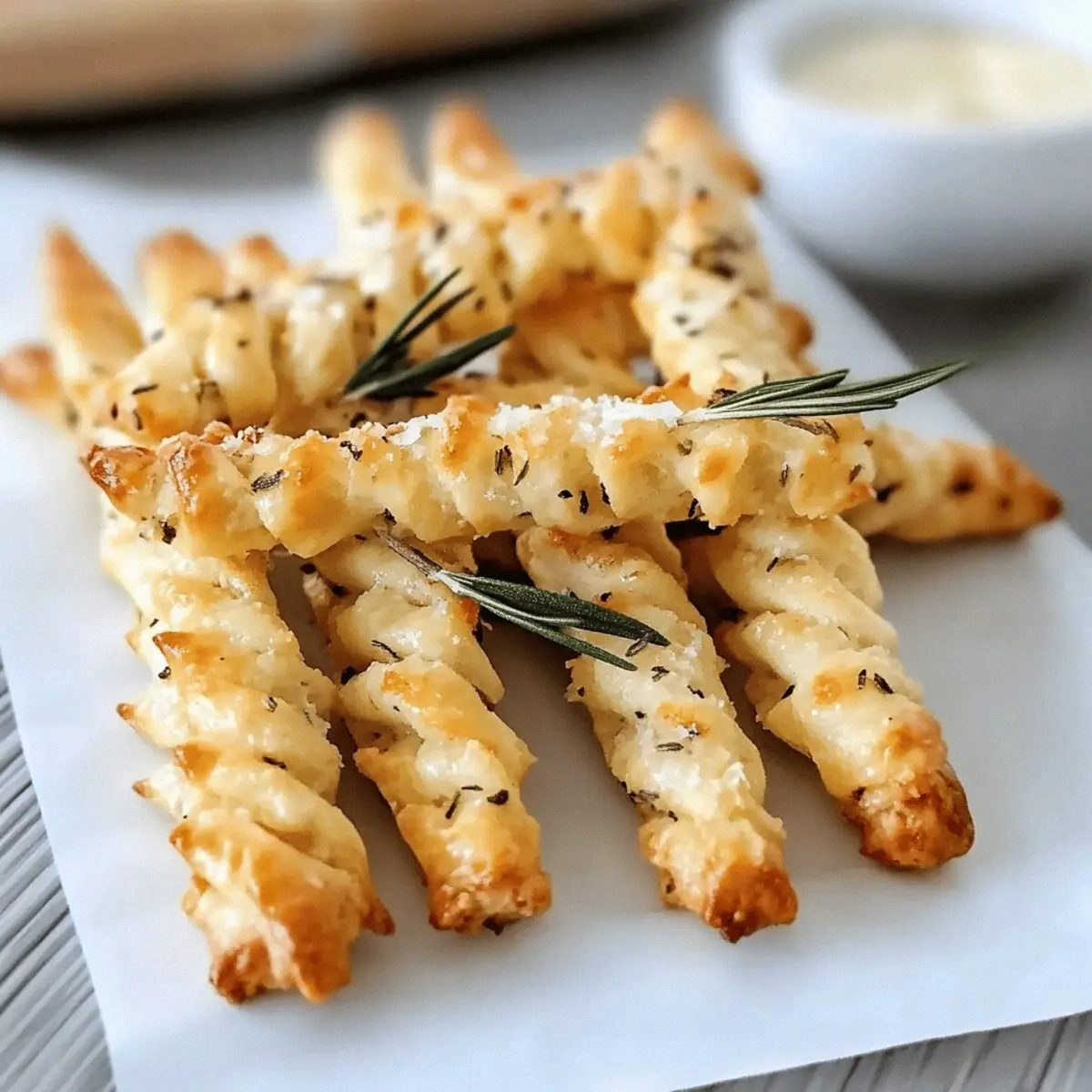
Watch Out: Over‑baking turns these delicate straws into brittle shards. Pull them out the moment they reach a rich amber hue.Remove the trays and let the straws cool on a wire rack for at least five minutes. As they cool, the steam escapes, locking in the crispness while preventing sogginess. This is the perfect time to admire your handiwork; the straws should look like golden, airy ribbons, each one a miniature work of art.
Transfer the cooled straws to a serving platter and sprinkle a final pinch of flaky sea salt if desired. The salt accentuates the cheese and rosemary, creating a balanced flavor profile that’s impossible to resist. Serve them warm, or store them in an airtight container for later snacking. That sizzle when it hits the pan? Absolute perfection.
That's it — you did it. But hold on, I've got a few more tricks that'll take this to another level…
Insider Tricks for Flawless Results
The Temperature Rule Nobody Follows
Most home bakers bake at a moderate 350°F, assuming a slower bake yields a more even result. In reality, the high heat of 400°F is essential for puff pastry; it creates rapid steam that lifts the layers before the butter can melt out. If you ever find your straws soggy, crank the oven up by 25°F and watch the transformation. I once tried a lower temperature on a whim; the result was a dense, doughy disappointment that reminded me why the heat matters.
Why Your Nose Knows Best
Your sense of smell is a more reliable indicator of doneness than a timer. When the straws start releasing that nutty, toasted aroma, you know they’re on the brink of perfection. Trust that scent cue; it’s the kitchen’s built‑in alarm system. I’ve seen timers lie—once I left a batch in for 18 minutes, the timer rang, but the smell told me they were already burnt. Listening to your nose saved the rest of the batch.
The 5‑Minute Rest That Changes Everything
After baking, let the straws rest on a wire rack for exactly five minutes before storing. This brief pause allows residual steam to escape, preserving the crispness. Skipping this step traps moisture, turning your once‑flaky straws into limp chips. My friend once tried to stack them immediately for a “pretty” presentation, and they turned soggy within minutes—lesson learned.
Freezer‑Friendly Folding
If you want to make a big batch, fold the cooled straws gently in parchment and then place them in a freezer bag. When you’re ready to serve, pop them in a 350°F oven for three minutes, and they’ll regain that fresh‑out‑of‑the‑oven crunch. This method is a game‑changer for party hosts who need to prep ahead.
The Salt Finish
A light sprinkle of flaky sea salt right after baking elevates the flavor profile dramatically. The salt crystals sit on the surface, providing a satisfying pop that contrasts the buttery melt. Too much salt, however, can overpower the rosemary, so keep it modest. I like to use Maldon sea salt because its delicate flakes dissolve slowly, extending the flavor experience.
Creative Twists and Variations
This recipe is a playground. Here are some of my favorite ways to switch things up:
Spicy Chili‑Cheese Straws
Swap the rosemary for 1 teaspoon of chili flakes and add a pinch of cayenne to the cheese mixture. The result is a smoky‑heat version that pairs perfectly with a cold beer. Ideal for game nights when you need a snack that packs a punch.
Herb‑Lover’s Dream
Combine fresh thyme, oregano, and a touch of sage with the rosemary for a Mediterranean bouquet. The aromatic blend makes these straws a great accompaniment to hummus or a mezze platter.
Cheddar‑And‑Garlic Deluxe
Replace half of the Parmesan with sharp cheddar and double the garlic powder. This creates a richer, tangier flavor that’s reminiscent of classic cheese crackers but with a flaky twist.
Sweet & Savory Parmesan‑Honey
Drizzle a thin ribbon of honey over the straws just before serving and sprinkle a pinch of smoked paprika. The sweet‑savory contrast is unexpectedly delightful and works well as a brunch side.
Vegan‑Friendly Version
Use a plant‑based puff pastry, nutritional yeast in place of Parmesan, and replace butter with coconut oil. The texture remains flaky, and the nutritional yeast provides a cheesy umami note that satisfies vegans and non‑vegans alike.
Storing and Bringing It Back to Life
Fridge Storage
Place the cooled straws in an airtight container lined with a paper towel to absorb any stray moisture. They’ll stay crisp for up to three days. If you notice a slight softening, a quick 2‑minute blast at 350°F revives the crunch.
Freezer Friendly
Layer the straws between parchment sheets, then seal them in a freezer‑safe bag. They can be frozen for up to two months. When you’re ready to serve, bake them straight from frozen at 375°F for 5‑7 minutes; the steam that forms will bring back that fresh‑out‑of‑the‑oven texture.
Best Reheating Method
Reheat in a preheated oven at 350°F for 3‑4 minutes, but add a tiny splash of water (about a teaspoon) to the bottom of the pan. The water creates a gentle steam that restores the interior fluffiness while the exterior stays crisp. Avoid microwaving; it makes the pastry rubbery and defeats the purpose of the flaky texture.