I still remember the first time I tasted authentic Sancocho Colombiano. It was a rainy afternoon in Bogotá, and I was huddled in a tiny family kitchen that smelled like cumin, cilantro, and stories. My host mom, Doña Lina, stirred a pot so large it could double as a baptismal font. I watched, wide-eyed, as she threw in plantains, yuca, corn, and what looked like half a farmyard. She caught me staring and laughed. “This isn’t soup, mijo, this is a hug you can eat.” One spoonful later, I understood. The broth was sunset-golden, thick enough to coat the spoon, and tasted like someone had distilled an entire countryside into liquid form. I ate three bowls, ignored the button on my jeans, and plotted to steal the recipe like a culinary jewel thief.
Fast forward ten years and countless failed attempts in my own kitchen. I tried shortcuts—yes, I once dumped everything into a pressure cooker and prayed. I tried fancy ingredients—organic free-range capons that cost more than my rent. I even tried making a “light” version (I know, I know, blasphemy). Every time, the soup fell flat, tasting like dishwater with identity issues. Then last winter, I flew back to Colombia, bribed Doña Lina with a suitcase of imported saffron, and spent three days refining every step. We argued over potato varieties the way sommeliers argue over vintages. We timed the corn addition to the minute. We tasted, adjusted, tasted again until my tongue felt like it had run a marathon. The result? A recipe so fool-proof, so insanely flavorful, that I’ve served it at dinner parties where guests licked their bowls—literally—then asked if they could move in.
This version is not some watered-down, internet photocopy. It’s the real deal: layers of meat that fall apart at the nudge of a spoon, vegetables that taste like they were raised on happiness, and a broth so aromatic your neighbors will start dropping by with “emergency” questions. I dare you to taste this and not go back for thirds. I’ll be honest—when I tested the final batch, I ate half the pot standing at the stove, burned my tongue, and still kept slurping. If you’ve ever struggled to get that soul-warming depth in a soup, you’re not alone—and I’ve got the fix. Picture yourself lifting the lid, steam rushing out like a tropical sunrise, the smell wrapping around you like abuela’s shawl. Ready? Let me walk you through every single step—by the end, you’ll wonder how you ever made it any other way.
What Makes This Version Stand Out
Triple-Meat Magic: We’re talking beef short ribs, pork ribs, and a drumstick or two. Each brings its own fat, collagen, and flavor, turning the broth into liquid silk. Most recipes settle for one protein and taste thin; this trio creates a symphony.
Two-Stage Plantain Trick: Half the plantains go in early to melt into the broth for natural sweetness and body. The rest go in later so you still get those tender, sliceable coins that pop against the spoon. Textural contrast, folks—game-changer.
Herb Oil Finish: Right before serving, we drizzle a quick cilantro-chive oil that hits your nose first and primes your palate. It’s like the top note of a perfume, but edible. Trust me, once you try it, plain soup feels like listening to music with one earbud out.
Make-Ahead Friendly: The broth base can be simmered, cooled, and parked in the fridge for three days. On game day, you just reheat, drop in the quick-cooking veggies, and boom—tastes like you stood at the stove for six straight hours. Your future self will send you thank-you notes.
Scoville Customization: We leave the heat on the side. Serve with aji picante so fire-lovers can torch their bowls and mild palates stay happy. Marriage-saving stuff right here.
Pantry-Forward Veggies: Yuca, plantain, corn, and potatoes are cheap, year-round staples. No hunting for obscure roots that only grow on one mountainside in Santander. Simplicity without compromise—my favorite kind of delicious.
Inside the Ingredient List
The Flavor Base
Onion and tomato get finely diced so they dissolve completely, leaving behind a whisper of tang and body. Garlic is smashed, not minced, so it infuses without burning. Cumin is toasted whole, then ground between your palms—yes, it’s messy, but the payoff is nutty, smoky depth you can’t bottle. If you skip the toasting step, the broth tastes like dusty library books. Don’t say I didn’t warn you.
Guascas is the herb that makes Colombians homesick. It smells like sunshine on damp earth and tastes like a cross between bay leaf and parsley, but brighter. Dried works, but if you find fresh, grab it like it’s the last bus of the night. Without guascas, you’ve got generic chicken soup; with it, you’ve got a passport stamp in edible form.
The Texture Crew
Yuca must be peeled of its waxy coat and the fibrous core removed. Buy it firm, almost chalky; if it bends, it’s old and will go gummy. Cut into two-inch batons so they cook through without falling apart—think sturdy fork food, not baby mush. And here’s the kicker: keep the pieces in cold salted water while you prep everything else. This washes off excess starch so your broth stays crystal clear rather than sludgy.
Plantains should be speckled black for maximum sweetness. Green plantains will work, but they’ll taste like a totally different soup—more savory, less party. If you can only find green ones, let them sit in a paper bag with an apple for a day or two. That ethylene gas is nature’s turbo-ripener.
The Unexpected Star
We add a single bay leaf, but not until the last 30 minutes. Longer and it turns bitter, shorter and it’s a wallflower. Also, a spoonful of panela (unrefined cane sugar) balances the acidity of tomato and rounds out the beef. If you can’t find panela, dark brown sugar plus a teaspoon of molasses will fake it beautifully.
The Final Flourish
Chopped cilantro stems go into the pot early; the leaves are showered on top at the end. This two-timing approach layers herbal notes from mellow to bright. A squeeze of lime right before serving tightens all the flavors like a corset. Skip it, and the soup tastes sleepy.
Everything’s prepped? Good. Let’s get into the real action...
The Method — Step by Step
- Sear the meats in batches over medium-high heat until each piece wears a deep mahogany jacket. This caramelization is the difference between broth and “brown water.” Don’t crowd the pot or the temperature drops and the meat steams—tragic. Listen for that confident sizzle; it should sound like applause for your future self.
- Remove the meat, then in the same rendered fat, tumble in onions and tomatoes. Scrape up the fond—those sticky brown bits are flavor goldmines. When the tomato looks jammy and the onion turns translucent, you’re ready for the next act.
- Add garlic, cumin, salt, and pepper. Stir for exactly 90 seconds. Any less, the raw edge stays; any more, the garlic burns and turns acrid. Your kitchen should start smelling like a Colombian street market at dawn.
- Return the meats plus any juices they’ve leaked—waste not, flavor not. Pour in hot water to cover by two inches. Bring to a rolling boil, then drop to a lazy bubble. Cover partially and let it party for 90 minutes. This is when the collagen breaks down and the broth goes from thin to silk.
- Meanwhile, prep your vegetables. Keep yuca in salted water, slice plantains on a bias (more surface for caramelization), shuck corn and snap each cob in half. Yes, half—those jagged ends release starch and make the broth slightly creamy.
- After 90 minutes, fish out the meat and set aside. Skim excess fat, but leave a few shimmering slick for flavor. Add yuca and corn; simmer 15 minutes. They take longest, so they get head start.
- Add half the plantains and all the potatoes. Cook until potatoes yield to a fork but don’t crumble—think tender, not mushy. This usually takes another 15 minutes, but test early; potatoes can be drama queens.
- Return the meat, nestling it among the vegetables. Add remaining plantains, guascas, and panela. Simmer gently 10 minutes more. This is the home stretch; your kitchen will smell so good you’ll consider bottling it as cologne.
- While the pot finishes, blitz cilantro, chives, and olive oil in a mini blender for 20 seconds. Bright green oil will form—liquid confetti. Set aside.
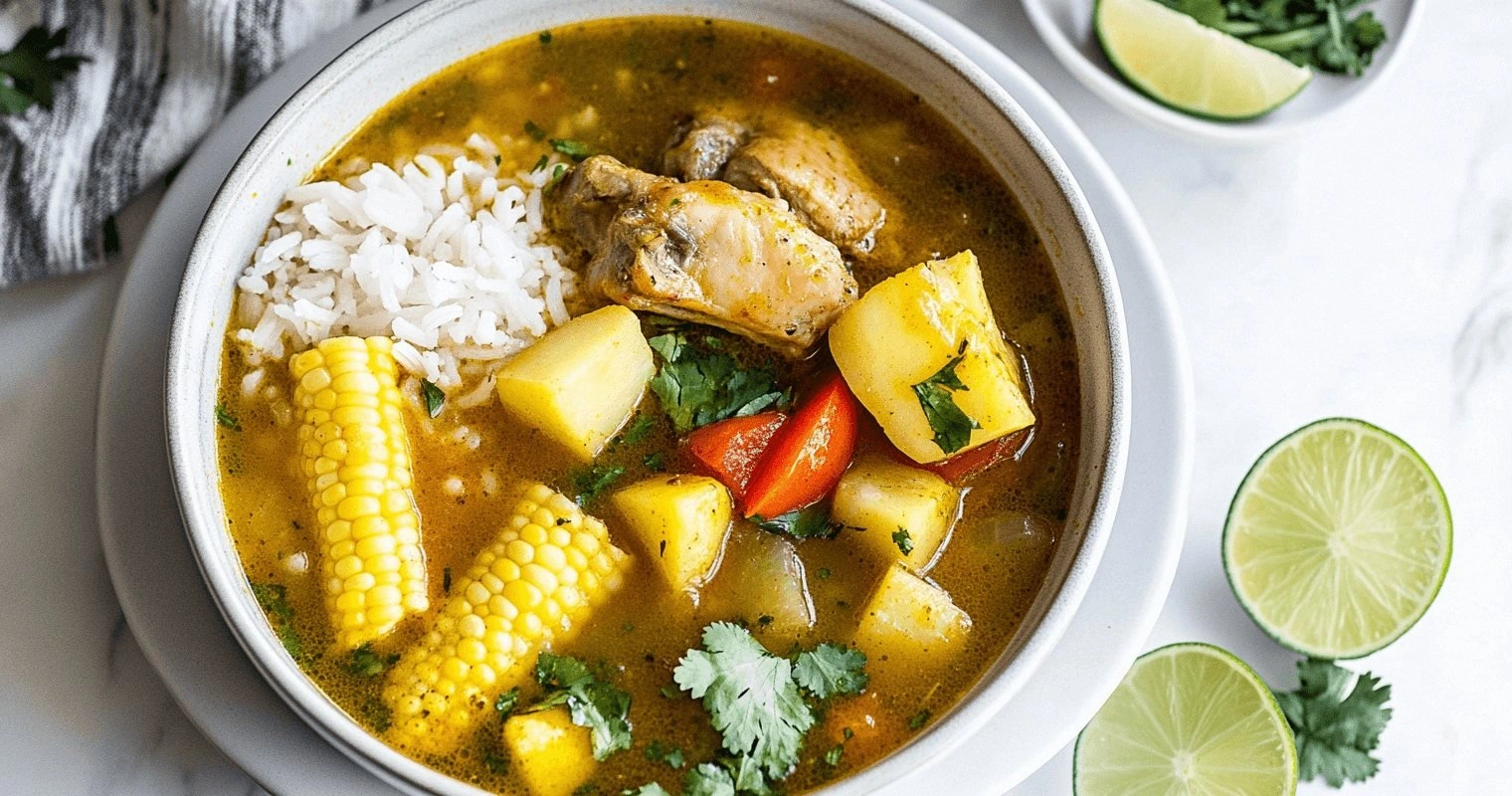
- Adjust salt one last time. Ladle into deep bowls, drizzle herb oil, squeeze lime, and serve with white rice and avocado on the side. Stand back and accept the applause.
That’s it—you did it. But hold on, I’ve got a few more tricks that’ll take this to another level...
Insider Tricks for Flawless Results
The Temperature Rule Nobody Follows
Keep the broth at a whisper, not a scream. A rolling boil turns meat into sawdust and vegetables into confetti. If you see frantic bubbles, crack the lid or nudge the burner down. Low and slow equals tender and mellow—basic physics, magical flavor.
Why Your Nose Knows Best
When the aroma shifts from “meaty” to “sweet-savory-mysterious,” you’re done. Our olfactory senses detect maillard by-products before our tongues do. Trust your sniffer; it’s the original kitchen timer. I once pulled a batch off early because the smell hit me like a warm blanket—best decision ever.
The 5-Minute Rest That Changes Everything
After cooking, let the pot sit covered off-heat for five minutes. This lets the fat rise and the broth settle, so you don’t get a greasy mouth-coat. Plus, vegetables absorb a final whisper of seasoning. A friend tried skipping this step once—let’s just say it didn’t end well.
Guascas: Dry vs Fresh
Dried guascas is earthy; fresh is grassy and bright. If using dried, add it earlier so it rehydrates and blooms. If fresh, shower it on at the end to keep its sparkle. Mixing both gives you a two-tier herb hit—like surround sound for your tongue.
Avocado Ratio
Half an avocado per person is the sweet spot. Slice it just before serving; the cool creaminess against the hot broth is pure drama. Under-avocado and the bowl feels Spartan; over-avocado and you’ve turned soup into guacamole’s cousin.
Creative Twists and Variations
This recipe is a playground. Here are some of my favorite ways to switch things up:
Coastal Surf Edition
Swap pork for firm white fish bones and heads, add coconut milk, and finish with lime zest. The broth turns ivory and tastes like Caribbean postcards. Best eaten barefoot with salsa vallenata in the background.
Vegetarian Powerhouse
Use jackfruit for pull-apart texture and vegetable stock boosted with mushroom soy. Add a handful of peanuts while simmering; they give body and a whisper of nuttiness. Even die-hard carnivores clean their bowls—true story.
Spicy Santander Style
Blend ajiaco peppers into the sofrito and finish with a pat of butter for gloss. The heat creeps up slowly, like a gentleman burglar. Serve with pickled onions on top for acidic punch.
One-Pot Camping Hack
Pre-sear meats at home, freeze in a block, then reheat over a fire with dehydrated yuca and plantain chips tossed in at the end. Twenty minutes later you’ve got wilderness luxury. The smoke adds a flirtatious edge you can’t get indoors.
Brunch Remix
Poach eggs directly in the hot broth and crumble queso fresco on top. Add a shot of espresso to your bowl just before serving—sounds wild, but the bitterness marries the sweet corn like long-lost soulmates. My Sunday crew calls it “hangover insurance.”
Weeknight Turbo
Use a rotisserie chicken and canned beef broth spiked with powdered gelatin for faux-body. Ready in 35 minutes, tastes like you started at dawn. I keep this in my back pocket for surprise guests who think I’m a wizard.
Storing and Bringing It Back to Life
Fridge Storage
Cool the soup completely, then refrigerate in airtight containers for up to four days. Keep meat and vegetables submerged so they don’t dry out. Pro tip: store rice separately; nobody likes bloated grains plotting mutiny.
Freezer Friendly
Portion into freezer bags, press out air, and freeze flat for up to three months. Thaw overnight in the fridge, then reheat gently. The texture of potatoes suffers slightly, but flavor stays intact. Add a handful of freshly boiled potatoes to freshen things up.
Best Reheating Method
Use a heavy pot over low heat with a splash of water or stock. Cover and warm slowly, stirring once or twice. Add a tiny splash of water before reheating—it steams back to perfection. Microwave works in a pinch, but expect uneven heat and a sad, rubbery corn kernel here and there.