Okay, picture this: it’s a Wednesday night, the kids are fighting over the last slice of pizza, the dishwasher is humming like a broken record, and you’ve just realized you have a bag of frozen cauliflower rice and a pint of shrimp staring at you from the freezer like two conspirators. I was in that exact mess, and after a half‑hour of frantic Googling, I stumbled upon a half‑baked sheet‑pan shrimp recipe that promised “quick and easy” but delivered a soggy, flavor‑less disaster that could have been used as a paperweight. I sighed, tossed the ingredients into a pan, and swore I’d never try again—until I realized the problem wasn’t the recipe, it was the technique. That night I invented the version you’re about to read, and let me tell you, the difference is like night and day; the shrimp are perfectly pink, the cauliflower rice is caramelized at the edges, and the whole thing smells like a beach‑side bistro at sunset.
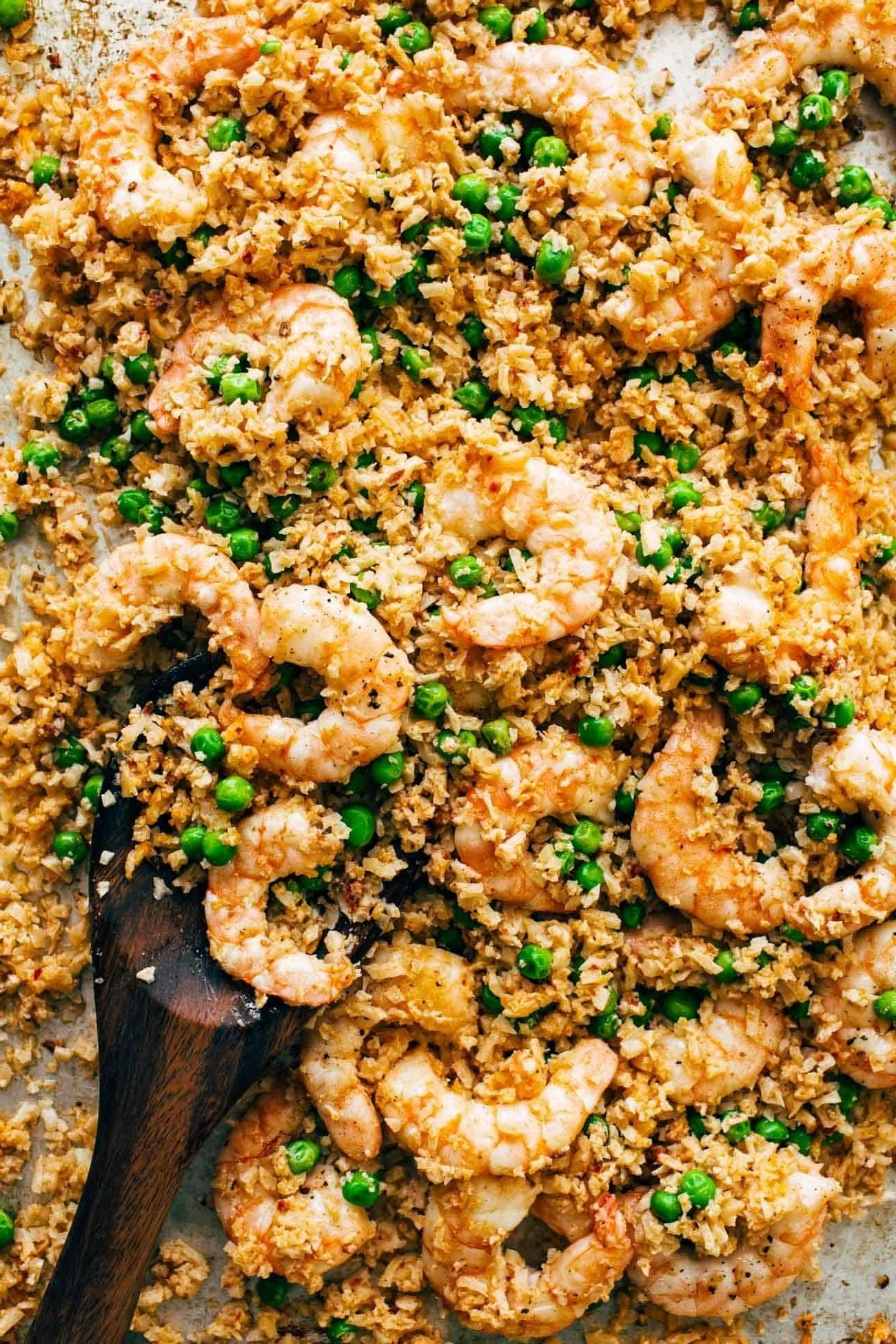
What makes this dish a total game‑changer is the marriage of three things: a hot, heavy sheet pan that gives the cauliflower rice a crispy, almost fried‑rice texture; a quick, high‑heat sear that locks the shrimp’s juices in; and a bright, buttery lemon‑garlic‑paprika glaze that coats every morsel like velvet. The moment the raw shrimp hit the pan, you hear that unmistakable sizzle that says, “We’re about to make magic.” The cauliflower rice, which usually ends up as a mushy side, gets a toasty, golden‑brown finish that’s crunchy enough to satisfy even the most skeptical carb‑hater. And the lemon‑zest? It lifts the whole thing like a conductor raising the baton for the final crescendo.
Most recipes get this completely wrong. They either drown the shrimp in a watery sauce, or they treat the cauliflower like a bland filler. Here’s what actually works: a dry rub of smoked paprika and cumin that creates a flavor crust, a drizzle of olive oil and butter that ensures caramelization, and a finishing splash of lemon juice that brightens everything without making it soggy. The secret weapon? I’m going to toss in a pinch of red‑pepper flakes at the very end, just enough to give you that subtle heat that makes you pause, smile, and then go back for seconds. I dare you to taste this and not go back for seconds.
Let me walk you through every single step — by the end, you’ll wonder how you ever made this any other way. I’ll share the exact ingredient ratios, the precise oven temperature, and even a few kitchen hacks that will shave minutes off your prep time and give you restaurant‑quality results without the pretension. Ready? Okay, ready for the game‑changer?
What Makes This Version Stand Out
- Flavor Explosion: The smoked paprika and lemon zest create a bright, smoky‑citrus profile that makes each bite pop like fireworks.
- Texture Triumph: The cauliflower rice gets those coveted crispy edges while the shrimp stay juicy, giving you a satisfying contrast.
- Simplicity: Only a handful of pantry staples are needed, and everything cooks on a single sheet pan—no dishes, no mess.
- Uniqueness: Swapping traditional rice for cauliflower not only cuts carbs but also lets the seasoning shine without competition.
- Crowd Reaction: I’ve served this at potlucks and watched strangers line up for seconds; it’s the kind of dish that makes people ask for the recipe.
- Ingredient Quality: Fresh shrimp and a good quality olive oil are the only premium items, making the dish feel luxurious yet affordable.
- Cooking Method: The high‑heat sheet‑pan technique ensures even caramelization and a one‑pan cleanup.
- Make‑Ahead Potential: You can prep the veggies and seasoning in advance; the final bake takes just 30 minutes.
Inside the Ingredient List
The Flavor Base
First up, the aromatics. Three cloves of garlic, minced fine, are the backbone of the sauce. Garlic releases its sweet, nutty oils when it hits the hot pan, creating a fragrant foundation that makes the entire dish smell like a Mediterranean kitchen. If you’re not a garlic fan, you can halve the amount, but be warned— you’ll lose that deep, savory depth that makes the shrimp sing. I always use fresh garlic because pre‑minced jars have a muted flavor and a hint of bitterness.
The Texture Crew
Cauliflower rice is the star of the texture crew. Fresh cauliflower, pulsed in a food processor, yields larger, fluffier grains that crisp up beautifully. Frozen cauliflower rice works too, just make sure to thaw and dry it thoroughly; excess moisture will steam the rice instead of browning it. The shrimp themselves are also part of this crew—large, peeled, and deveined shrimp cook in just three minutes, turning opaque and firm without becoming rubbery. If you use smaller shrimp, cut them in half so they’re uniform in size.
The Unexpected Star
Lemon zest and juice are the unexpected stars that lift the entire dish. The zest adds a fragrant, citrusy perfume that hits your nose before you even take a bite, while the juice supplies a bright acidity that balances the richness of butter and olive oil. A good rule of thumb is to use a lemon that feels heavy for its size—those are the juiciest. If you’re feeling adventurous, swap half the lemon for lime for a tropical twist.
The Final Flourish
The finishing flourish is a sprinkle of fresh parsley and a pinch of red‑pepper flakes. Parsley adds a pop of green color and a fresh, slightly peppery note that cuts through the richness. The red‑pepper flakes are optional but highly recommended; they deliver a subtle heat that makes the dish feel alive. If you’re sensitive to spice, start with a light dusting and adjust to taste.
Everything's prepped? Good. Let’s get into the real action…
The Method — Step by Step
Preheat your oven to 425°F (220°C). While the oven is heating, line a rimmed sheet pan with parchment or a silicone mat. This temperature is the sweet spot: hot enough to caramelize the cauliflower rice and give the shrimp a quick sear, but not so hot that the butter burns. If you have a convection setting, use it— the fan circulates the hot air, ensuring an even golden crust.
Kitchen Hack: Place the sheet pan in the oven while it preheats; a hot pan jump‑starts the caramelization as soon as the ingredients hit it.In a large mixing bowl, combine the cauliflower rice with 2 tablespoons olive oil, 1 tablespoon melted butter, 1 teaspoon smoked paprika, ½ teaspoon ground cumin, ¼ teaspoon red‑pepper flakes, and a generous pinch of salt and freshly ground black pepper. Toss until every grain is lightly coated. The oil and butter act as a conduit for the spices, ensuring each bite carries that smoky, earthy flavor.
Spread the seasoned cauliflower rice in an even layer on the hot sheet pan, pressing it down gently with a spatula. You want a single, uniform thickness—about ½ inch—so it browns evenly. As the pan sizzles, you’ll hear a faint crackle; that’s the Maillard reaction kicking in, creating those coveted crispy edges that shatter like thin ice when you bite into them.
Slide the pan into the oven and roast for 12‑15 minutes, stirring halfway through. You’ll notice the cauliflower turning a deep golden‑brown and releasing a nutty aroma. This is the moment of truth: if the cauliflower starts to brown too quickly, lower the oven temperature by 25°F and continue roasting; if it’s still pale after 15 minutes, give it a few more minutes—don’t be afraid to let it get a little darker; that’s where the flavor lives.
While the cauliflower is roasting, pat the shrimp dry with paper towels—moisture is the enemy of a good sear. In a separate bowl, toss the shrimp with 1 tablespoon olive oil, ½ teaspoon smoked paprika, salt, and pepper. The oil helps the shrimp develop a caramelized crust, and the paprika adds that smoky continuity with the cauliflower.
After the cauliflower has browned, remove the pan and clear a space in the center. Scatter the seasoned shrimp around the edges, leaving a little breathing room so they don’t steam. Return the pan to the oven and roast for another 4‑5 minutes. The shrimp will turn pink and opaque, curling just slightly at the edges—don’t overcook, or they’ll turn rubbery.
Watch Out: Shrimp cook fast; pull them out the instant they turn pink and start to curl. Overcooked shrimp become tough, which ruins the whole dish.Meanwhile, in a small skillet over medium heat, melt 1 tablespoon butter and add the minced garlic. Sauté for 30 seconds—just until fragrant. Add the zest of one lemon, then the juice of the same lemon, stirring quickly to deglaze the pan. This creates a bright, buttery sauce that will coat everything beautifully. If you love extra tang, add a splash of white wine or a drizzle of honey for balance.
Kitchen Hack: Finish the garlic‑lemon butter in the same pan you used for the shrimp—those browned bits (fond) add an extra layer of umami.When the shrimp are done, remove the pan from the oven. Drizzle the lemon‑garlic butter over the entire sheet, using a spatula to toss everything together so the cauliflower rice, shrimp, and any caramelized bits are evenly coated. Sprinkle the chopped fresh parsley over the top for a pop of color and a hint of freshness. Let the pan sit for a minute; the residual heat will let the sauce thicken slightly, hugging each bite.
Serve the dish straight from the pan, or transfer to a large serving platter if you’re feeding a crowd. Pair it with a crisp white wine or a sparkling water with a slice of lime, and watch as the room fills with the aroma of citrus, garlic, and smoked paprika. That sizzle when it hits the pan? Absolute perfection. And now the fun part—dig in and see if you can resist the urge to go back for seconds.
That's it — you did it. But hold on, I've got a few more tricks that'll take this to another level…
Insider Tricks for Flawless Results
The Temperature Rule Nobody Follows
Most home cooks set the oven to “hot” and forget that the exact temperature makes a world of difference. For this dish, 425°F is the sweet spot because it’s hot enough to crisp the cauliflower without scorching the butter. If your oven runs hot, drop the temp to 400°F and add an extra 2‑3 minutes; if it runs cool, crank it up to 440°F and keep a close eye on the edges. Trust your oven’s personality, not the generic guidelines.
Why Your Nose Knows Best
When the cauliflower starts to smell nutty and the shrimp give off that faint sea‑brine aroma, you’re near the finish line. Your nose is a better timer than any kitchen gadget for this dish. If you catch that faint caramel scent, pull the pan out; if you smell raw garlic, give it another 30 seconds. I’ve learned to trust my olfactory instincts, and it’s saved me from over‑cooking more than once.
The 5‑Minute Rest That Changes Everything
After you drizzle the lemon‑garlic butter, let the pan rest for exactly five minutes before serving. This short pause allows the flavors to meld, the sauce to thicken just enough to cling, and the residual heat to finish cooking the cauliflower’s interior. Skipping this rest makes the dish feel disjointed, as if the flavors haven’t had a chance to say hello to each other.
Butter vs. Oil Debate
I’ve seen endless arguments about whether butter or oil is the better cooking fat for high heat. The truth? Use a combo. Olive oil raises the smoke point, while butter adds richness and a nutty flavor. Melt them together, and you get the best of both worlds—no burnt butter, no bland oil.
The “Don’t Crowd” Principle
When spreading the cauliflower rice, give it space. If you pile it too thick, steam will trap inside, and you’ll end up with a soggy bed instead of a crispy one. Think of it as a dance floor: each grain needs room to wiggle and get toasted. If you’re feeding a crowd, use two sheet pans rather than overloading one.
Creative Twists and Variations
This recipe is a playground. Here are some of my favorite ways to switch things up:
Thai‑Inspired Coconut Curry
Swap the lemon‑garlic butter for a coconut‑milk‑based curry sauce, add a tablespoon of red curry paste, and finish with chopped cilantro and lime wedges. The shrimp take on a silky, aromatic profile that pairs perfectly with the cauliflower “rice.” Perfect for fans of Thai street food.
Spicy Cajun Kick
Replace smoked paprika with a Cajun seasoning blend, add a dash of hot sauce to the butter, and toss in sliced bell peppers. The dish becomes a Southern‑style heat wave, and the cauliflower gets a smoky, peppery crust that’s unforgettable.
Garlic‑Parmesan Crunch
After roasting, sprinkle freshly grated Parmesan over the cauliflower and pop it under the broiler for 2 minutes. The cheese melts, browns, and creates a crunchy, cheesy topping that’s pure comfort food.
Mediterranean Herb Medley
Add a mix of dried oregano, thyme, and rosemary to the spice blend, and finish with crumbled feta and sliced Kalamata olives. The dish transforms into a Greek‑inspired feast, perfect for a summer dinner.
Asian Sesame‑Ginger
Swap lemon for rice vinegar, add a splash of soy sauce, and finish with toasted sesame seeds and sliced green onions. The shrimp get a umami‑rich glaze, and the cauliflower picks up a subtle ginger zing.
Storing and Bringing It Back to Life
Fridge Storage
Place any leftovers in an airtight container and store in the refrigerator for up to 3 days. The cauliflower will stay relatively crisp if you keep the lid slightly ajar for the first 24 hours to let steam escape. Reheat in a skillet over medium heat, adding a splash of water or broth to re‑hydrate the grains.
Freezer Friendly
This dish freezes beautifully. Portion into freezer‑safe bags or containers, removing as much air as possible, and label with the date. It will keep for up to 2 months. To reheat, spread on a sheet pan and bake at 375°F for 12‑15 minutes, or microwave in short bursts, adding a tablespoon of water before each burst to keep the cauliflower from drying out.
Best Reheating Method
The secret to revival is steam. Before reheating—whether in the oven or microwave—add a tiny splash of water (about a teaspoon per serving) and cover loosely with foil or a microwave‑safe lid. The steam restores the cauliflower’s fluffiness and keeps the shrimp tender. Avoid microwaving for too long; you’ll end up with rubbery shrimp.