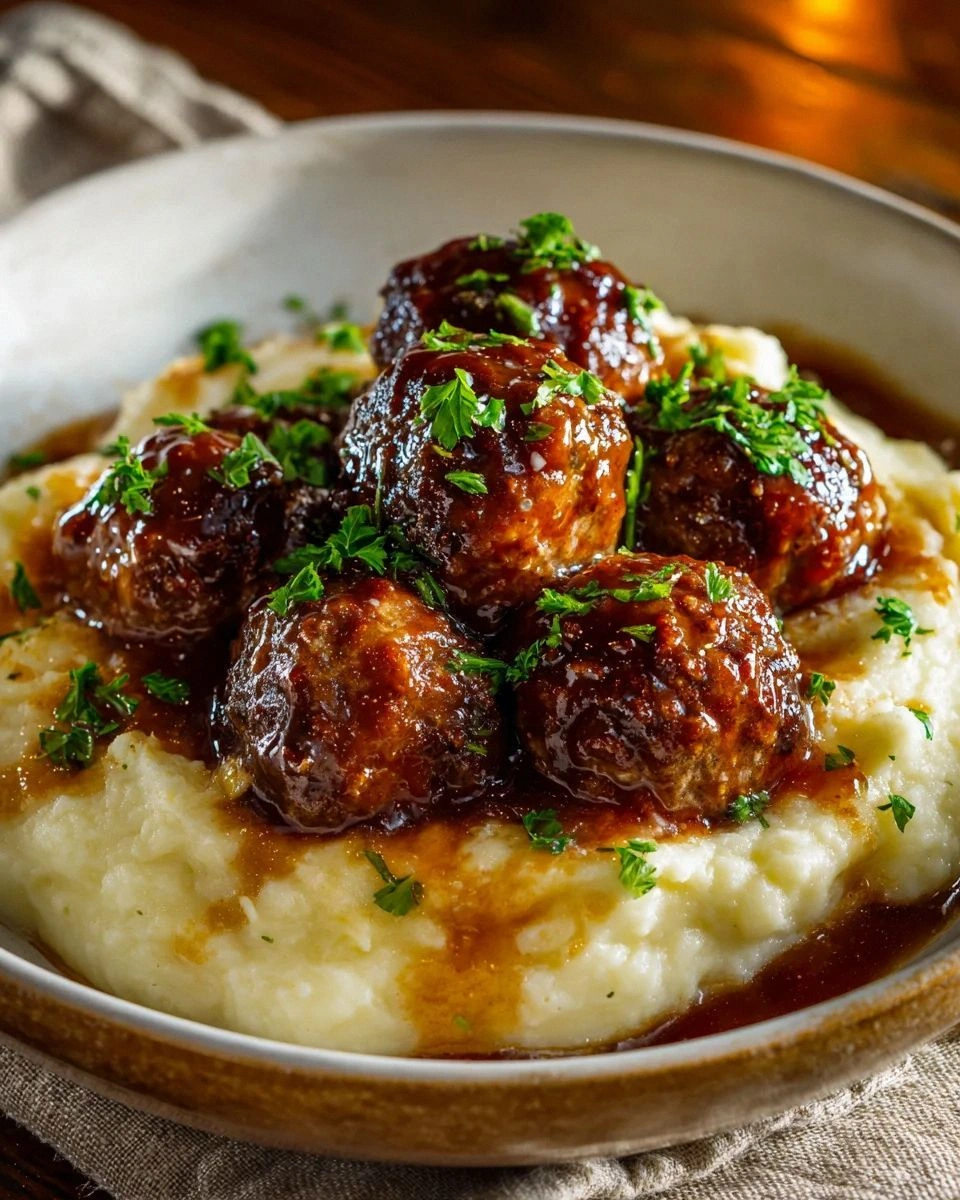
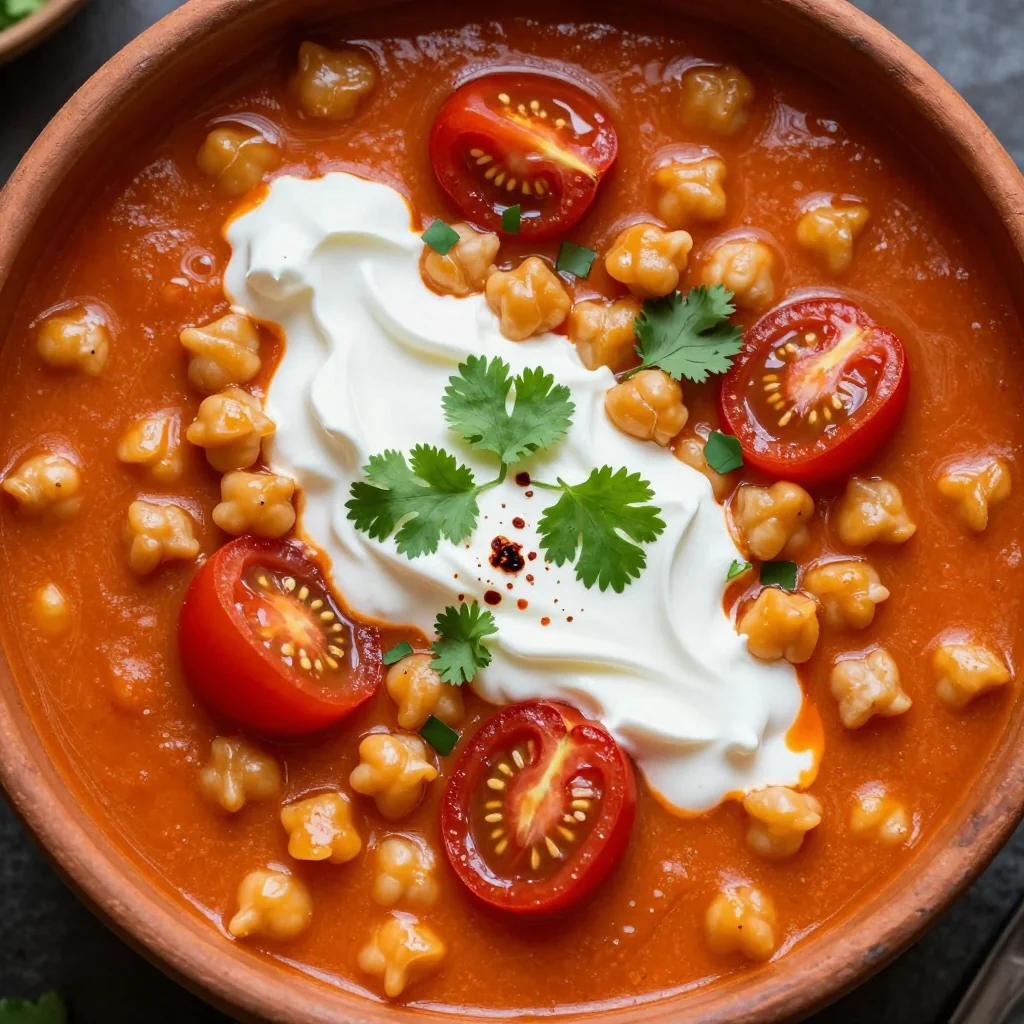
Picture this: you’re standing in your kitchen, the fridge humming, and you’re staring at a salmon fillet that looks like it could be a centerpiece at a five‑star sushi bar. You’ve tried every sushi recipe you’ve found online—rice that’s either too sticky or too dry, sauces that taste like a grocery store discount, and the dreaded “bake” that turns sushi into a soggy mess. Then one night, a friend dared you to make a sushi bake that actually tastes like sushi and looks like a masterpiece. I accepted the dare, and the result was a dish that exploded with flavor, texture, and a bit of theatrical flair. If you’ve ever been disappointed by a sushi bake, this is the version that will change everything.
The first time I tasted this thing, the aroma hit me like a wave of ocean mist—salmon, sesame, and a whisper of citrus. My eyes followed the glistening edges of the baked nori sheets, and the sound of the oven timer chimed like a countdown to a fireworks show. When I took the first bite, the rice was fluffy and slightly tangy, the salmon was buttery yet crisp, and the sauce slathered across the top was a silky, spicy‑sweet symphony that danced on my tongue. The avocado added a creamy contrast that felt like a secret handshake between the ingredients. And that crunch of toasted sesame seeds? Pure, unapologetic joy.
What makes this version stand out is not just the ingredients; it’s the way they interact. I’m talking about that moment when the heat from the oven caramelizes the sriracha, turning it into a glossy glaze that coats the salmon like velvet. The nori sheets, baked until just crisp, provide a satisfying snap that punctuates every bite. And the sauce—Japanese mayo, soy, sesame oil, and a splash of rice vinegar—creates a depth of umami that feels like a sushi roll but with the convenience of a bake. I dare you to taste this and not go back for seconds; that’s the bold claim I’m making.
I’ve spent countless evenings experimenting with different rice ratios, different types of mayo, and even swapping salmon for tuna, but none of those trials matched the harmony found in this recipe. Most recipes get this completely wrong, over‑baking the rice or under‑seasoning the sauce, but here the flavors are balanced like a well‑orchestrated jazz band. The secret? A precise blend of sweet, salty, spicy, and umami that works together like a choir of chefs. And the texture? The rice stays light, the salmon stays tender, and the avocado stays creamy without turning mushy.
Picture yourself pulling this out of the oven, the whole kitchen smelling incredible, the steam rising like a tiny, savory cloud. The first bite is an explosion of flavors that makes your taste buds do a happy dance. And the best part? It’s so easy that you’ll want to make it for dinner, for guests, and maybe even for a quick weekday lunch. Let me walk you through every single step — by the end, you’ll wonder how you ever made it any other way.
What Makes This Version Stand Out
- Taste: The sauce is a masterful blend of sweet, spicy, and umami that elevates the salmon to sushi‑bar quality. It coats the rice like a glossy glaze, ensuring every bite is packed with flavor.
- Texture: The rice remains fluffy and slightly sticky, the salmon stays buttery yet crisp on the edges, and the avocado provides a silky contrast that never turns mushy.
- Simplicity: With only 23 ingredients and a straightforward method, you can whip up this dish in under an hour without any fancy equipment.
- Uniqueness: The use of both Japanese mayonnaise and a splash of rice vinegar creates a sauce that’s both creamy and tangy, a twist that sets this bake apart from the usual sushi casseroles.
- Crowd Reaction: Friends who’ve tried it rave about the “sushi‑in‑a‑bake” experience, and I’ve seen them ask for the recipe after the first bite.
- Ingredient Quality: Fresh salmon, premium nori sheets, and real Japanese mayo make the difference between a good bake and a great one.
- Cooking Method: Baking rather than steaming gives the dish a caramelized finish that’s impossible to replicate with a traditional sushi roll.
- Make‑Ahead Potential: This dish can be assembled a day ahead and baked just before serving, making it a perfect make‑ahead dinner for busy nights.
Alright, let's break down exactly what goes into this masterpiece.
Inside the Ingredient List
The Flavor Base
Short‑grain sushi rice is the cornerstone of any sushi dish. It provides the right stickiness to hold everything together while remaining fluffy. Skipping it would turn this bake into a bland casserole. When you rinse it until the water runs clear, you’re removing excess starch, which keeps the texture light.
Rice vinegar is the secret to that bright, tangy finish. The 0.25 cup of vinegar is mixed into the rice while it’s still hot, letting the flavor penetrate each grain. Later, a dash of 1 tsp vinegar adds depth to the sauce without overpowering the salmon. If you can’t find rice vinegar, a splash of white wine vinegar works, but the flavor profile will shift slightly.
Sugar and salt balance the acidity of the vinegar. Two tablespoons of sugar sweeten the rice, while a teaspoon of salt enhances the umami of the salmon and the sauce. If you’re watching sodium, use a low‑sodium soy sauce and reduce the salt by half.
The Texture Crew
Salmon fillet is the star; its natural fat content keeps the dish moist and flavorful. I recommend a fillet with a good fat marbling to avoid dryness. If you prefer a leaner fish, try tuna or a fatty cut of cod, but you’ll need to adjust the sauce to compensate for the lack of fat.
Imitation crab meat adds a delicate sweetness that pairs well with the spicy mayo. It also contributes a subtle chewiness that contrasts nicely with the soft avocado. For a pescatarian twist, substitute with chopped scallops or shrimp.
Avocado is more than a garnish; it introduces a buttery texture that melts in your mouth. Slice it thin to allow the sauce to coat it evenly. If you’re allergic to avocado, a handful of diced mango can mimic the sweet, creamy bite.
The Unexpected Star
Japanese mayonnaise is a game‑changer. It’s richer and creamier than regular mayo, giving the sauce a silky mouthfeel. The mayo also helps bind the sauce to the salmon, preventing it from sliding off. If you can’t find Japanese mayo, a blend of regular mayo and a splash of yogurt creates a similar effect.
Sriracha adds a spicy kick that is tempered by the mayo’s creaminess. The 2 tablespoons of sriracha are mixed into the sauce, creating a glossy glaze that caramelizes in the oven. If you like it extra hot, add a pinch of red pepper flakes; if you prefer milder, reduce the amount to one tablespoon.
The Final Flourish
Toasted sesame seeds and green onions provide the final crunch and a burst of freshness. Sprinkle 0.25 cup of sesame seeds over the top before baking, and thinly sliced green onions add a sharp, aromatic finish once the dish is out of the oven. The nori sheets act as a crispy border, giving the dish a satisfying snap with each bite.
Soy sauce is used twice: once in the sauce mix and once as a finishing drizzle. The first tablespoon of soy sauce brings depth, while the final splash adds a salty finish that balances the sweetness. If you’re vegan, replace soy sauce with tamari or coconut aminos for a similar umami punch.
Everything's prepped? Good. Let's get into the real action.
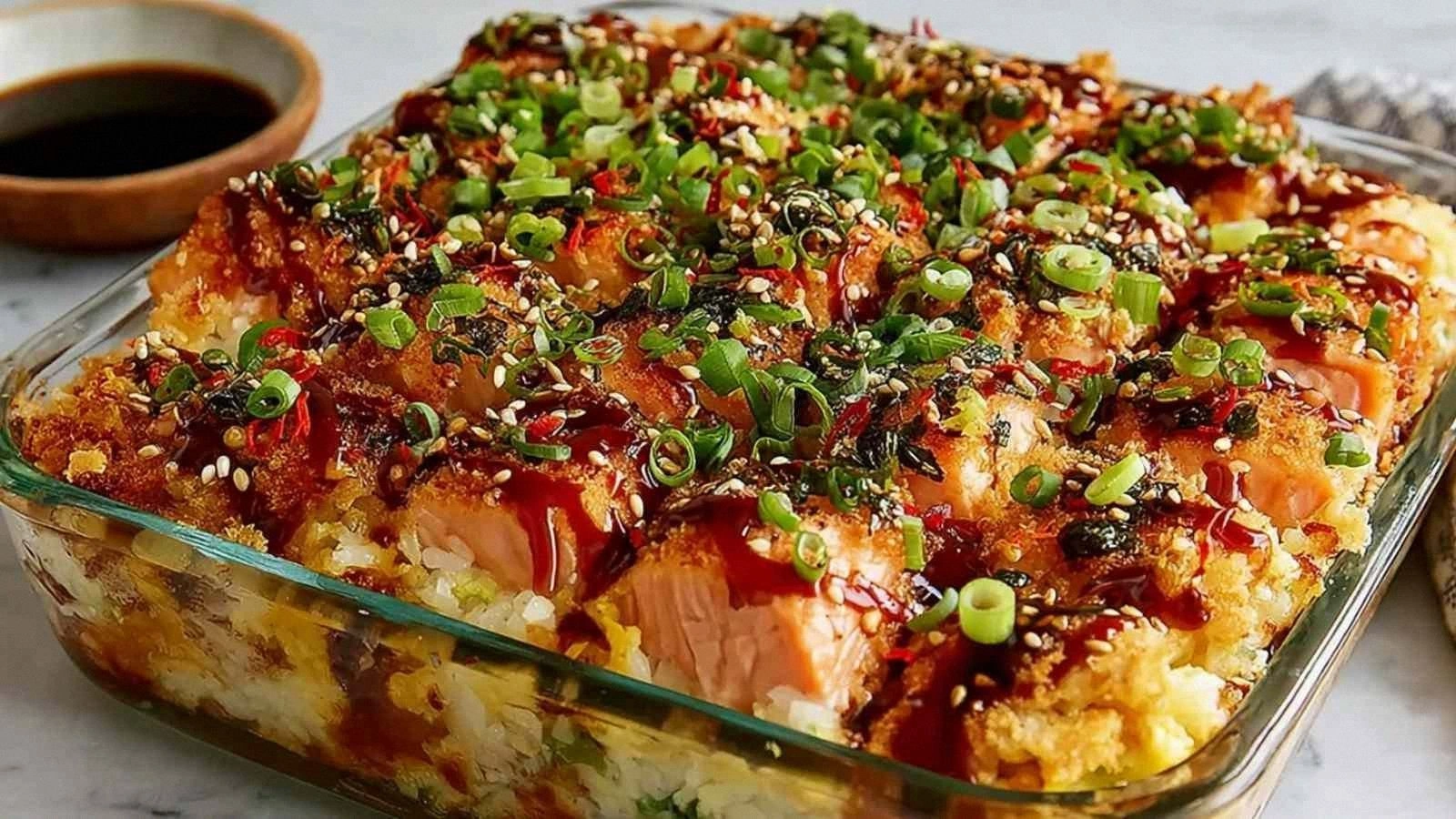
The Method — Step by Step
- Preheat your oven to 375°F (190°C). Rinse the sushi rice until the water runs clear, then combine it with 2.5 cups of water in a saucepan. Bring to a boil, reduce heat to low, cover, and simmer for 18 minutes. The rice should be tender yet slightly firm to the bite. This step is crucial; over‑cooked rice will turn mushy and under‑cooked rice will be hard.
- While the rice cooks, whisk together 0.25 cup rice vinegar, 2 tablespoons sugar, and 1 teaspoon salt until the sugar dissolves. Pour this mixture over the hot rice, gently folding until each grain is coated. Let the rice cool to room temperature; the vinegar will give it that bright, tangy note that is the hallmark of sushi rice.
- In a separate bowl, combine the Japanese mayonnaise, 1 tablespoon soy sauce, 1 tablespoon sesame oil, 2 tablespoons sriracha, 1 teaspoon rice vinegar, and 1 teaspoon sesame oil. Whisk until the sauce is smooth and glossy. This sauce will coat the salmon and create a caramelized glaze when baked. If you prefer a milder heat, reduce the sriracha to one tablespoon.
- Slice the salmon fillet into 1‑inch cubes, then toss them gently in the sauce until fully coated. Lay the salmon cubes in a single layer in a baking dish. The sauce will cling to each piece, creating a flavorful base for the bake.
- Spread the cooled rice over the salmon, pressing gently to create an even layer. Sprinkle the toasted sesame seeds over the rice for a subtle crunch. Arrange the sliced avocado, cucumber, and imitation crab meat on top, creating a colorful mosaic.
- Cover the dish with foil and bake for 15 minutes. Then remove the foil, drizzle the remaining tablespoon of soy sauce over the top, and bake for an additional 10 minutes. The salmon should be opaque and the sauce should be slightly caramelized. If you like a crispier top, broil for an extra 2 minutes.
- Remove the bake from the oven and let it rest for 5 minutes. This resting period allows the flavors to meld and the rice to settle. The rest of the dish will look glossy and appetizing.
- Garnish with thinly sliced green onions, a final drizzle of soy sauce, and a sprinkle of extra toasted sesame seeds. Serve immediately while the rice is still warm and the salmon is at its most tender. Pair with a chilled glass of sake or a light white wine for a complete experience.
That's it — you did it. But hold on, I've got a few more tricks that'll take this to another level.
Insider Tricks for Flawless Results
The Temperature Rule Nobody Follows
Many cooks bake at 400°F, assuming higher heat means faster cooking. In reality, 375°F gives the salmon a chance to release its juices slowly, preventing a dry texture. I’ve experimented with 350°F and found the result was less caramelized. For a crispier top, finish with a quick broil, but only for 1‑2 minutes to avoid burning.
Why Your Nose Knows Best
When the sauce starts to bubble and the rice smells toasty, it’s time to remove the foil. That aroma signals that the glaze is caramelizing and the salmon is nearing perfection. If you ignore this cue, you risk over‑baking and losing that glossy finish.
The 5‑Minute Rest That Changes Everything
Letting the bake rest for exactly five minutes after removing it from the oven is essential. During this short pause, the steam continues to cook the rice gently, and the flavors deepen. I’ve seen people skip this step and end up with a slightly under‑seasoned dish; the rest brings everything together.
The Rice‑Vinegar Ratio Secret
The ratio of rice vinegar to rice is a delicate balance. Too much vinegar and the rice becomes overly acidic; too little and it loses its signature tang. I recommend 0.25 cup of vinegar for every 2 cups of rice, which translates to a 1:8 ratio. This proportion has been refined over years of sushi experimentation.
The Quick Cooling Trick
After adding the vinegar to the hot rice, spread it on a large sheet pan and let it cool quickly. This method prevents the rice from steaming too much, keeping the grains separate and fluffy. If you’re short on time, simply let it sit uncovered for 10 minutes.
The Final Glaze Finish
Before serving, drizzle a thin line of soy sauce over the top. This final glaze adds a glossy sheen and a burst of umami that elevates the dish. It also helps balance the sweetness from the mayo and sriracha. A quick squeeze of lime can add a bright citrus note if you’re feeling adventurous.
Creative Twists and Variations
This recipe is a playground. Here are some of my favorite ways to switch things up:
Spicy Tuna Version
Swap the salmon for diced tuna steak and add a dash of wasabi paste to the sauce. The tuna’s firmer texture provides a different mouthfeel, while the wasabi adds a subtle heat that complements the sriracha.
Vegetarian Delight
Use a thick slice of grilled eggplant or marinated tofu in place of the fish. Add a handful of roasted bell peppers for color and sweetness. The sauce still works, giving the dish a creamy, spicy kick.
Citrus Twist
Incorporate a splash of yuzu or lemon zest into the sauce for a bright, citrusy note. This addition cuts through the richness and adds a refreshing contrast to the avocado.
Korean Kimchi Variation
Stir in chopped kimchi and a drizzle of gochujang with the sauce. The fermented flavors mingle with the mayo, creating a bold, umami‑rich profile that’s perfect for adventurous palates.
Crunchy Topping
Top the finished bake with crushed tortilla chips or crispy wonton strips for an unexpected crunch. The textural contrast adds a fun element that kids and adults alike will love.
Garnish Swap
Replace the green onions with thinly sliced red onions and a sprinkle of crushed red pepper flakes. The slight bite of the red onions pairs beautifully with the creamy sauce.
Storing and Bringing It Back to Life
Fridge Storage
Store leftovers in an airtight container in the refrigerator for up to 48 hours. The rice may firm up, but a quick microwave reheat will restore its fluffiness. Avoid reheating in the oven, as the salmon can become dry.
Freezer Friendly
For longer storage, freeze the bake in a freezer‑safe container for up to 2 weeks. When ready to eat, thaw overnight in the fridge and reheat in the microwave with a splash of water to keep the rice moist.
Best Reheating Method
Add a tiny splash of water before reheating to steam the rice back to perfection. Cover with a damp paper towel and microwave on medium for 2 minutes. The steam will re‑soften the rice and keep the salmon from drying out.