I was standing in my kitchen, staring at a pot of over‑cooked macaroni that had turned into a soggy, unappetizing mess. The pantry had a box of white cheddar that had been gathering dust, and I was about to throw it away. That night, a friend dared me to turn the disaster into something that would make everyone in the house beg for seconds. I laughed, grabbed the cheese, and the rest is history.
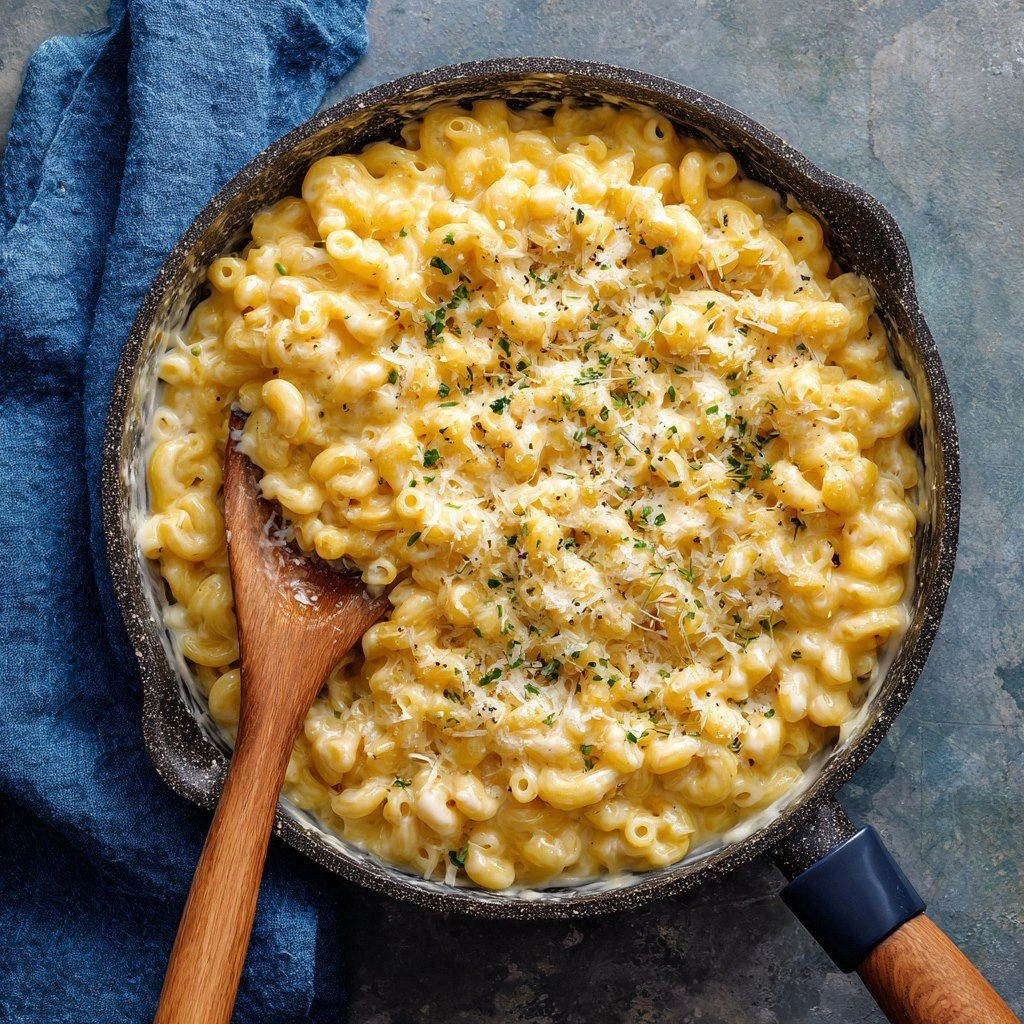
The first thing that hit me was the aroma of butter sizzling in the pan, the sharp scent of cheddar melting into a thick, golden sauce that looked like a glossy, savory waterfall. As the pasta swirled, the steam rose like a cloud of anticipation, and the sound of the bubbling sauce was music to my ears. I could taste the promise of creamy, cheesy bliss even before I took a bite. The texture was the key: noodles coated in a velvety sauce with a subtle crunch from the breadcrumb topping—pure comfort in a bowl.
What makes this version stand out is that it’s not just another mac and cheese recipe; it’s a carefully orchestrated dance of flavors and textures that elevate the humble dish into a culinary statement. The use of white cheddar gives a clean, sharp bite that cuts through the richness of the sauce, while the heavy cream adds depth without overpowering. I’ve experimented with countless variations, and this particular combination feels like a warm hug wrapped in a golden crust. If you’ve ever struggled with a sauce that separates or a dish that feels too heavy, this one will change the game.
And there’s a twist you won’t see in most recipes: a pinch of paprika that adds a smoky undertone, and a handful of panko breadcrumbs that give a satisfying crunch on top. I dare you to taste this and not go back for seconds—because the first bite will set the standard for all the rest. Picture yourself pulling this out of the pot, the whole kitchen smelling incredible, and the table filled with smiling faces. Let me walk you through every single step—by the end, you’ll wonder how you ever made it any other way.
What Makes This Version Stand Out
- Taste: The sharpness of white cheddar is complemented by the mellow richness of cream, creating a flavor profile that feels both familiar and elevated.
- Texture: Each noodle is enveloped in a silky sauce, while the panko topping adds a delightful contrast of crunch.
- Simplicity: With only a handful of ingredients, you can achieve restaurant‑quality results in under 45 minutes.
- Uniqueness: The addition of paprika introduces a subtle smokiness that sets this dish apart from traditional recipes.
- Crowd Reaction: Even the most skeptical foodies will be left asking for the recipe after one bite.
- Ingredient Quality: Using high‑grade white cheddar and fresh butter makes the difference between good and unforgettable.
- Cooking Method: The stovetop technique keeps the dish quick and allows for immediate adjustments.
- Make‑Ahead Potential: Prepare the sauce ahead, reheat gently, and the flavors meld beautifully.
Inside the Ingredient List
The Flavor Base
White Cheddar: This cheese is the star of the show, offering a bright, sharp flavor that cuts through the creaminess of the sauce. If you can’t find white cheddar, a blend of sharp cheddar and a touch of gouda will work, but the pure cheddar keeps the dish authentic. Skipping it would turn the sauce into a bland, buttery concoction that lacks character.
Whole Milk: Milk provides the body and subtle sweetness needed for a balanced sauce. If you prefer a richer texture, replace half of the milk with heavy cream; if you’re watching calories, use low‑fat milk. Removing milk would thin the sauce dramatically, making it feel more like a soup than a cheese dish.
Heavy Cream: Cream adds depth and a silky mouthfeel. It also helps the sauce emulsify, preventing separation. Swapping it for coconut milk gives a tropical twist but changes the flavor profile entirely.
The Texture Crew
Elbow Macaroni: The classic shape holds sauce and offers a satisfying bite. For a gluten‑free option, use a rice or corn pasta; the texture will differ slightly but remain delightful. Skipping pasta would turn the dish into a cheese sauce, losing the comforting element.
Panko Breadcrumbs: They create a golden, airy crunch that contrasts the creamy sauce. If you prefer a crunchier topping, add a dash of crushed pretzels. Omitting breadcrumbs results in a smooth, untextured dish that some might find less satisfying.
The Unexpected Star
Paprika: A subtle smoky note that elevates the overall flavor. Use smoked paprika for a deeper taste, but a regular sweet paprika will keep the dish mild. Skipping paprika will make the sauce less complex.
The Final Flourish
Parmesan Cheese: A finishing touch that adds nutty depth to the topping. If you’re vegan, a nutritional yeast sprinkle works nicely. Omitting Parmesan will make the topping less flavorful.
Everything's prepped? Good. Let's get into the real action.
The Method — Step by Step
- Bring a large pot of salted water to a rolling boil and add the elbow macaroni. Cook until the pasta is al dente, about 8 minutes, stirring occasionally to prevent sticking. Drain the noodles and set them aside, reserving a cup of the pasta water for later. The al dente texture ensures the pasta won’t become mushy once the sauce is added.
- While the pasta cooks, melt the butter in a wide skillet over medium heat until it foams. Add the all‑purpose flour, whisking constantly to create a smooth roux. Cook for 2 minutes, letting the raw flour taste fade. This roux forms the base of your sauce, thickening it without lumps.
- Slowly pour in the whole milk and heavy cream, whisking vigorously to blend. The mixture should thicken into a silky sauce that coats the back of a spoon. If the sauce becomes too thick, add a splash of reserved pasta water to reach the desired consistency. The goal is a pourable, creamy base.
- Reduce the heat to low and stir in the shredded white cheddar, paprika, salt, and pepper. The cheese should melt into a glossy, uniform sauce. Keep the heat low to prevent scorching; a hot sauce will separate and become gritty. The paprika adds a subtle depth that elevates the overall flavor.
- Return the drained pasta to the skillet and toss it in the sauce until every noodle is coated. If the sauce seems too thick, add a tablespoon of pasta water at a time until it glistens. Let the mixture simmer for 2 minutes, allowing the noodles to absorb the flavors fully. The pasta should feel silky yet firm.
- Sprinkle the grated Parmesan and panko breadcrumbs evenly over the top. Return the skillet to medium heat, covering it with a lid to allow the breadcrumbs to toast. Watch carefully—once the breadcrumbs start turning golden, they’ll be ready in 3 to 4 minutes. This step is crucial; if you leave them too long, they’ll burn.
- Once the breadcrumbs are toasted, remove the lid and let the sauce finish simmering for an additional minute. This allows the flavors to meld and the sauce to thicken slightly. The aroma at this point is irresistible—think butter, cheese, and a hint of paprika dancing together.
- Garnish with chopped fresh parsley if desired, and serve immediately while the sauce is still silky and the breadcrumbs are crisp. The final dish should have a glossy sheen, a creamy interior, and a crunchy crown that satisfies every craving. And that, my friend, is the moment of truth.
That's it—you did it. But hold on, I've got a few more tricks that'll take this to another level.
Insider Tricks for Flawless Results
The Temperature Rule Nobody Follows
Many people cook the sauce over high heat, but this often leads to a gritty texture. Keep the heat low once the cheese is added; this allows the fat to emulsify smoothly. I once had a batch that separated—turning into a greasy mess—because the sauce was too hot. By lowering the temperature, the sauce stays silky, and the cheese coats the pasta like velvet.
Why Your Nose Knows Best
Before you taste, let the sauce sit for a minute; the aroma will tell you if it’s ready. A faint, buttery scent indicates the roux is cooked, while a sharp cheddar smell confirms the cheese has melted. If the sauce smells raw, give it another minute to cook. Trust your nose—it's your best judge of readiness.
The 5-Minute Rest That Changes Everything
After you finish cooking, let the dish rest covered for five minutes. This resting period allows the sauce to thicken slightly and the flavors to settle. When you lift the lid, you’ll see a glossy sheen that didn’t exist before. This step is often overlooked but makes the difference between a good and great dish.
The Secret of the Crunch
To get the breadcrumbs to stay crispy, sprinkle them with a pinch of salt before toasting. The salt draws out moisture, ensuring a crisp texture. If you prefer a buttery crunch, add a teaspoon of melted butter to the breadcrumbs before baking. This simple tweak elevates the topping from ordinary to extraordinary.
The Sauce‑Pasta Ratio
For the best mouthfeel, aim for a sauce that coats the noodles but isn’t so thick that it clings to the bottom. If the sauce is too thin, add a tablespoon of flour or a splash of pasta water. Conversely, if it’s too thick, a splash of milk will loosen it. Adjusting the ratio on the fly keeps the dish from becoming too heavy or too watery.
Creative Twists and Variations
This recipe is a playground. Here are some of my favorite ways to switch things up:
Spicy Jalapeño Kick
Add diced jalapeños to the sauce for a fiery punch. The heat balances the richness, and the jalapeños add a fresh, green crunch. This version is perfect for those who love a little spice in their comfort food.
Sausage and Broccoli Boost
Sauté sliced Italian sausage and broccoli florets before adding the pasta. The sausage brings savory depth, while the broccoli adds color and nutrients. It turns the dish into a hearty meal that’s both filling and balanced.
Vegan Delight
Replace dairy with plant‑based milk and vegan butter, and use nutritional yeast for a cheesy flavor. Swap the cheese for a blend of vegan cheddar and a touch of cashew cream. The result is a creamy, dairy‑free version that still delivers on comfort.
Truffle Infusion
Stir in a teaspoon of truffle oil at the end for an earthy, luxurious aroma. The truffle elevates the dish to a gourmet level, making it ideal for special occasions or a fancy dinner party.
Seafood Surprise
Add cooked shrimp or scallops after the pasta is tossed in the sauce. The seafood brings a delicate sweetness that pairs beautifully with the cheddar. This variation turns a classic comfort dish into a sophisticated entrée.
Breakfast Edition
Fold in scrambled eggs and a splash of milk to create a cheesy egg bake. This version is a quick, protein‑rich breakfast that keeps you full until lunch. The eggs add a silky texture that complements the cheese.
Storing and Bringing It Back to Life
Fridge Storage
Cool the mac and cheese to room temperature, then transfer it to an airtight container. Store in the refrigerator for up to 3 days. The sauce may thicken slightly; a splash of milk will revive it.
Freezer Friendly
Freeze in a freezer‑safe container, labeling with the date. It will keep for up to 2 months. Thaw overnight in the refrigerator before reheating.
Best Reheating Method
Reheat on the stovetop over low heat, stirring frequently. Add a small splash of water or milk to loosen the sauce and prevent drying. Finish with a quick broil for a few minutes if you want to re‑crisp the breadcrumb topping.