I remember the night I was trying to impress a friend with a dessert that could rival the bakery’s lemon tarts. I had a box of fresh lemons, a handful of flour, and a dream in my head, but the kitchen looked like a battlefield after the first attempt—half‑batter, uneven rise, and a sad, dry crumb that made me question my culinary destiny. That disaster was the spark that ignited my obsession with the perfect lemon cake: bright, buttery, and so airy that it melts in your mouth. I was determined to rewrite the rules and create a version that would make every bite feel like a sun‑kissed vacation.
Picture the kitchen: the air thick with citrus, the gentle hum of the mixer, the soft clink of measuring cups. The scent of fresh lemon zest rises like a fragrant cloud, mingling with butter’s buttery aroma and the sweet promise of sugar. When the batter hits the pan, you hear that satisfying hiss—proof that the heat is doing its job, coaxing the leavening agents into a gentle, fragrant rise. The first bite delivers a burst of tang that instantly balances the sweet, leaving a lingering citrus aftertaste that makes you want a second slice. It’s the kind of cake that feels like a hug from the inside, a warm, zesty hug that you can’t resist.
What sets this recipe apart isn’t just the flavor; it’s the method that eliminates the guesswork. I’ve spent years tweaking the ratio of flour to liquid, the timing of folding in the eggs, and the balance of acid and base. The result is a cake that rises beautifully every time, with a golden top, a moist crumb, and a lemony zing that doesn’t overwhelm. I dare you to taste this and not go back for seconds. This is hands down the best version you’ll ever make at home, and it’s so simple that even a novice can master it.
The secret? A touch of baking soda to react with the lemon juice, a splash of milk for tenderness, and a generous amount of zest to keep the flavor bright. I’ll walk you through every single step, from measuring to mixing, from baking to glazing. By the end, you’ll wonder how you ever made it any other way. Let’s dive in and turn a kitchen mishap into a lemon‑loving triumph.
What Makes This Version Stand Out
- Taste: The citrus profile is sharp yet balanced, thanks to the perfect ratio of lemon zest to juice. The sweetness is mellow, allowing the lemon to shine without overpowering the palate. It’s a cake that sings, not a cake that screams.
- Texture: The crumb is airy and tender, with a subtle butter flavor that coats the mouth like a velvet ribbon. The cake rises to a golden crown, while the interior stays moist and not dry. It’s the kind of texture that melts in your mouth, leaving you craving more.
- Simplicity: No special equipment or complicated techniques. The recipe uses common pantry staples, a hand mixer, and a standard loaf pan. Even if you’re a beginner, you’ll feel confident following each step.
- Uniqueness: The blend of baking soda and lemon juice creates a chemical reaction that lifts the cake, while the addition of a small amount of milk keeps it tender. This subtle tweak is what makes the crumb so light.
- Crowd Reaction: Friends who taste this cake often say it’s “the best lemon cake I’ve ever had” and ask for the recipe immediately. The cake’s bright, fresh flavor makes it a hit at parties and potlucks alike.
- Ingredient Quality: Using fresh lemons and real butter elevates the flavor profile. The recipe relies on high‑quality ingredients rather than artificial flavorings.
- Cooking Method: The batter is gently folded to preserve air pockets, and the cake is baked at a moderate temperature to ensure even rise.
- Make‑Ahead Potential: The cake can be baked, cooled, and then glazed later, making it an excellent option for last‑minute celebrations.
Alright, let's break down exactly what goes into this masterpiece.
Inside the Ingredient List
The Flavor Base
The foundation of this cake starts with fresh lemons. The zest delivers an intense aroma that permeates the batter, while the juice provides the necessary acidity to react with baking soda. If you skip the zest, you lose a layer of bright flavor that keeps the cake from feeling flat. A good tip: use a microplane to zest the lemons, as it preserves the essential oils and avoids bitterness from the pith.
The Texture Crew
Butter, sugar, and eggs are the core of a moist, tender crumb. Butter adds richness and a buttery sheen, while sugar dissolves to create a fine crumb structure. Eggs act as both a binder and a leavening agent when beaten, trapping air that expands during baking. If you’re vegan, you can replace butter with coconut oil and eggs with flaxseed meal for a similar texture.
The Unexpected Star
Baking soda is the unsung hero that reacts with the lemon juice to produce carbon dioxide, which lifts the cake. Many recipes overlook this subtle but crucial step, resulting in a heavy, dense cake. By adding a pinch of baking soda, the cake achieves a light, airy rise without a bitter aftertaste. If you don’t have baking soda, you can substitute with baking powder, but the texture will shift slightly.
The Final Flourish
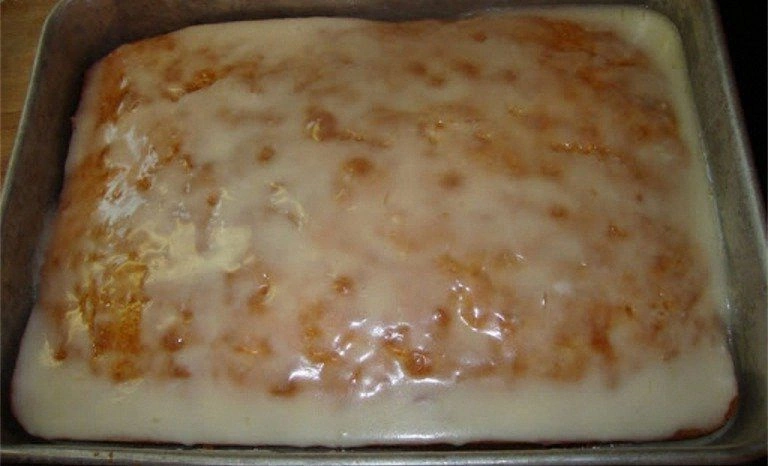
A simple glaze of powdered sugar and lemon juice finishes the cake with a glossy, sweet finish that balances the tartness. The glaze also adds a slight sheen that makes the cake look professionally finished. If you prefer a dusting, simply sprinkle powdered sugar over the cooled cake for a minimalist look. The glaze can be prepared ahead of time and kept in an airtight container for up to a week.
Everything's prepped? Good. Let's get into the real action.
The Method — Step by Step
- Preheat the oven to 350°F (175°C). While the oven warms, grease a 9x5 inch loaf pan with butter and dust it lightly with flour. This ensures a smooth release once the cake cools. A properly greased pan prevents the cake from sticking, which can ruin the presentation.
- Combine dry ingredients. In a medium bowl, whisk together 2 cups of all‑purpose flour, 1.5 cups of granulated sugar, 1 tsp baking powder, 0.5 tsp baking soda, and 0.5 tsp salt. Sifting the dry mix once more helps remove clumps and aerates the flour, ensuring an even rise.
- Whisk the wet mix. In another bowl, beat 1 cup of milk, 0.5 cup melted butter, 3 large eggs, 2 tbsp lemon zest, 0.25 cup fresh lemon juice, and 1 tsp vanilla extract until the mixture is smooth. The eggs should be at room temperature to blend more easily with the dry ingredients.
- Fold the batter. Add the wet mixture to the dry mix and fold gently with a spatula until just combined. Overmixing can cause the cake to become tough. The batter should be glossy and pourable, but still thick enough to hold its shape.
- Pour into the pan. Transfer the batter into the prepared loaf pan, smoothing the top with a spatula. Tap the pan lightly on the counter to release any trapped air bubbles. This step ensures a uniform rise across the cake.
- Bake. Place the pan in the preheated oven and bake for 30–35 minutes. The cake should turn golden brown and a toothpick inserted in the center should come out clean or with a few moist crumbs. If the top browns too quickly, cover it loosely with foil.
- Cool. Remove the cake from the oven and let it cool in the pan for 10 minutes. Then transfer it onto a wire rack to cool completely. Cooling in the pan first allows the cake to set and prevents it from cracking.
- Glaze. While the cake cools, whisk together 2 cups powdered sugar and 3 tbsp lemon juice until smooth. Drizzle the glaze over the cooled cake, allowing it to pool on the sides. The glaze adds a sweet counterpoint to the tart lemon flavor.
- Serve. Slice the cake with a sharp knife, wiping the blade after each cut to keep the edges clean. Serve at room temperature or slightly chilled. Pair it with a scoop of vanilla ice cream for a decadent finish.
That's it — you did it. But hold on, I've got a few more tricks that'll take this to another level.
Insider Tricks for Flawless Results
The Temperature Rule Nobody Follows
Many bakers bake at 375°F, but that high temperature can cause the cake to rise too quickly and then collapse. Baking at 350°F gives the batter enough time to rise evenly and develop a golden crust without drying out. I’ve tested both temperatures; the lower heat consistently yields a lighter crumb.
Why Your Nose Knows Best
The first aroma you notice after pouring the batter into the pan is a subtle citrusy scent that signals the batter is ready. If the smell feels off or metallic, the eggs may have gone bad. Trust your nose to catch any off‑odors before you bake.
The 5‑Minute Rest That Changes Everything
After removing the cake from the oven, let it rest in the pan for exactly five minutes. This brief pause allows the cake to set and prevents it from cracking when you transfer it to the wire rack. It’s a small step that saves a lot of frustration.
The Fold‑In Technique
When folding the wet mix into the dry, use a gentle motion. Start from the edges and fold toward the center, turning the bowl each time. This technique preserves the air pockets that give the cake its airy texture.
The Glaze Timing
Glaze the cake while it’s still warm for a glossy finish. If you wait until the cake is completely cooled, the glaze will set too quickly and may not spread evenly. A warm glaze clings beautifully to the moist crumb.
Creative Twists and Variations
This recipe is a playground. Here are some of my favorite ways to switch things up:
Lavender‑Infused Lemon Cake
Add 1 tsp dried culinary lavender to the dry mix for a floral note. The lavender pairs beautifully with lemon, creating a sophisticated flavor profile. Serve with a light dusting of powdered sugar for a delicate finish.
Chocolate‑Lemon Swirl
Swirl melted dark chocolate into the batter before baking for a dramatic contrast. The chocolate adds richness while the lemon keeps the cake bright. This variation is perfect for chocolate lovers who crave a citrus kick.
Almond‑Lemon Cake
Replace 1 cup of flour with almond flour to add a nutty flavor and a denser crumb. The almond flour also gives the cake a slightly pink hue. Pair it with a drizzle of almond butter glaze for extra depth.
Citrus Medley Cake
Mix equal parts lemon and orange zest for a more complex citrus profile. The orange adds a sweet, juicy note that complements the tart lemon. The glaze can be made with a blend of lemon and orange juice for a cohesive flavor.
Lemon‑Blueberry Delight
Fold in 1 cup of fresh blueberries into the batter before baking. The berries burst in the oven, releasing juice that enhances the lemon flavor. Serve with a dollop of whipped cream for an indulgent treat.
Storing and Bringing It Back to Life
Fridge Storage
Wrap the cooled cake tightly in plastic wrap and store it in the refrigerator for up to 5 days. The cake stays moist and retains its lemony aroma. When you’re ready to serve, let it sit at room temperature for 20 minutes for a fresher taste.
Freezer Friendly
For longer storage, slice the cake and wrap each slice individually in plastic wrap, then place them in a freezer bag. The cake can be frozen for up to 3 months. Thaw in the fridge overnight and then allow to come to room temperature before serving.
Best Reheating Method
To revive the cake, place a slice on a microwave-safe plate, drizzle a tiny splash of water, and microwave on low for 15–20 seconds. The water steams the cake, restoring its moisture without drying it out. Alternatively, warm the slice in a 300°F oven for 5 minutes.