I’ll be honest — the first time I tried to make peperonata I ended up with a soggy, flavor‑less mess that could barely pass for a side dish. The culprit? A rushed sauté, a half‑hearted splash of vinegar, and a belief that “just toss everything in the pot and you’re done.” That disaster sparked a kitchen dare: I would create the most unforgettable, melt‑in‑your‑mouth peperonata that even the most skeptical Italian nonna would crown as “the best version you’ll ever make at home.” I set a timer, gathered the freshest bell peppers I could find at the market, and promised myself a flavor revolution.
Picture this: the kitchen humming with the gentle pop of olive oil hitting a hot pan, the sweet aroma of caramelizing onions weaving through the air, and the vibrant chorus of red, yellow, and orange peppers turning a deep golden‑brown. The sizzle when the garlic meets the pan is like a tiny fireworks show, and the scent of tomatoes joining the party feels like a warm Italian summer evening. My hands were covered in the glossy sheen of oil, the vegetables softening just enough to release their natural sugars, and the whole scene smelled like a Mediterranean market on a breezy afternoon. That moment, when the stew started to thicken and the colors deepened, was pure culinary alchemy.
What makes this version truly stand out is a tiny, almost‑secret ingredient: a splash of red wine vinegar added at the very end, just before the fresh herbs go in. That splash is the game‑changer, a bright note that cuts through the sweetness and lifts the entire dish to a new level of balance. Most recipes either skip the vinegar entirely or drown the peppers in too much acidity, but I’ve found the sweet spot that makes the flavors sing without any one component screaming for attention. The result? A stew that coats a slice of crusty bread like velvet and makes every bite a harmonious blend of sweet, savory, and tangy.
Okay, ready for the game‑changer? Let me walk you through every single step — by the end, you’ll wonder how you ever made it any other way. I dare you to taste this and not go back for seconds. Stay with me here — this is worth it.
What Makes This Version Stand Out
- Depth of Flavor: The slow caramelization of onions and peppers creates a natural sweetness that rivals any added sugar, giving the stew a rich, layered taste.
- Texture Harmony: Each bite offers a perfect balance of tender peppers and a slightly crisp edge on the onions, thanks to the precise sauté timing.
- Simplicity: Only eight core ingredients, all pantry‑friendly, yet the result feels like a multi‑day slow‑cooked masterpiece.
- Uniqueness: The late‑stage splash of red wine vinegar adds a bright acidity that most traditional recipes miss, making the dish unforgettable.
- Crowd Reaction: I’ve watched friends turn pale with anticipation, then grin ear‑to‑ear after the first spoonful — it’s a guaranteed conversation starter.
- Ingredient Quality: Fresh, colorful bell peppers are the heroes; their natural sugars are the secret behind that caramelized glow.
- Cooking Method: A stovetop‑only approach means no oven, no extra dishes, and a quicker turnaround without sacrificing depth.
- Make‑Ahead Potential: This stew tastes even better the next day, making it perfect for meal‑prepping or a lazy weekend lunch.
Inside the Ingredient List
The Flavor Base
Onions: Two medium onions form the aromatic backbone of the stew. Their natural sugars caramelize slowly, providing a deep, sweet undertone that balances the acidity of the tomatoes. If you skip the onions, the dish loses that comforting, home‑cooked depth and can feel flat. For the best result, use yellow onions for a milder sweetness or red onions for a subtle bite.
Garlic: Two to three cloves, either minced or crushed, inject that unmistakable, pungent aroma that makes you pause mid‑stir and inhale deeply. Garlic mellows as it cooks, turning from sharp to buttery, which adds a luxurious mouthfeel. If you’re allergic or simply not a fan, try a pinch of asafoetida; it mimics garlic’s depth without the same intensity.
The Texture Crew
Bell Peppers: Choose three large peppers—any mix of red, yellow, or orange works wonders. Their bright colors not only make the stew visually stunning but also contribute a sweet, mild flavor that becomes wonderfully tender when simmered. Skipping peppers means losing both the visual pop and the natural sweetness that balances the tomatoes. Look for firm, glossy skins; a slight give means they’re ripe and ready.
Tomatoes: Fresh, ripe tomatoes are fantastic, but if you’re short on time, 240 g of canned chopped tomatoes do the trick. The tomatoes bring juicy acidity and a luscious body to the stew. Using low‑quality canned tomatoes can introduce a metallic taste, so opt for San Marzano or a reputable brand. If you love extra sweetness, add a pinch of sugar during the simmer.
The Unexpected Star
Red Wine Vinegar: A splash—about one tablespoon—added just before the final herbs brightens the stew, cutting through the richness and sharpening the flavors. It’s optional, but trust me, it’s worth the extra step. Skipping the vinegar leaves the dish a bit muted, like a song without its chorus. Use a good quality vinegar; cheap ones can taste harsh and ruin the balance.
The Final Flourish
Fresh Basil or Parsley: A handful of chopped fresh herbs added at the very end injects a burst of green freshness that lifts the entire stew. Basil offers a sweet, slightly peppery note, while parsley adds a clean, grassy finish. If you omit the herbs, the stew can feel heavy after a while. Harvest herbs just before use and pat them dry to avoid excess water.
Olive Oil: Four tablespoons of extra‑virgin olive oil serve as the cooking medium that melds all flavors together. It also adds a subtle fruitiness that complements the peppers. Using a low‑quality oil can make the stew taste greasy rather than silky. Warm the oil gently before adding the vegetables to ensure even cooking.
Salt and Black Pepper: Season to taste, but remember that the tomatoes already bring some acidity, so a modest amount of salt is enough. Pepper adds a gentle heat that rounds out the flavor profile. Over‑salting can mask the natural sweetness of the peppers, so taste as you go. A pinch of flaky sea salt at the end can add a pleasant crunch.
Everything's prepped? Good. Let’s get into the real action…
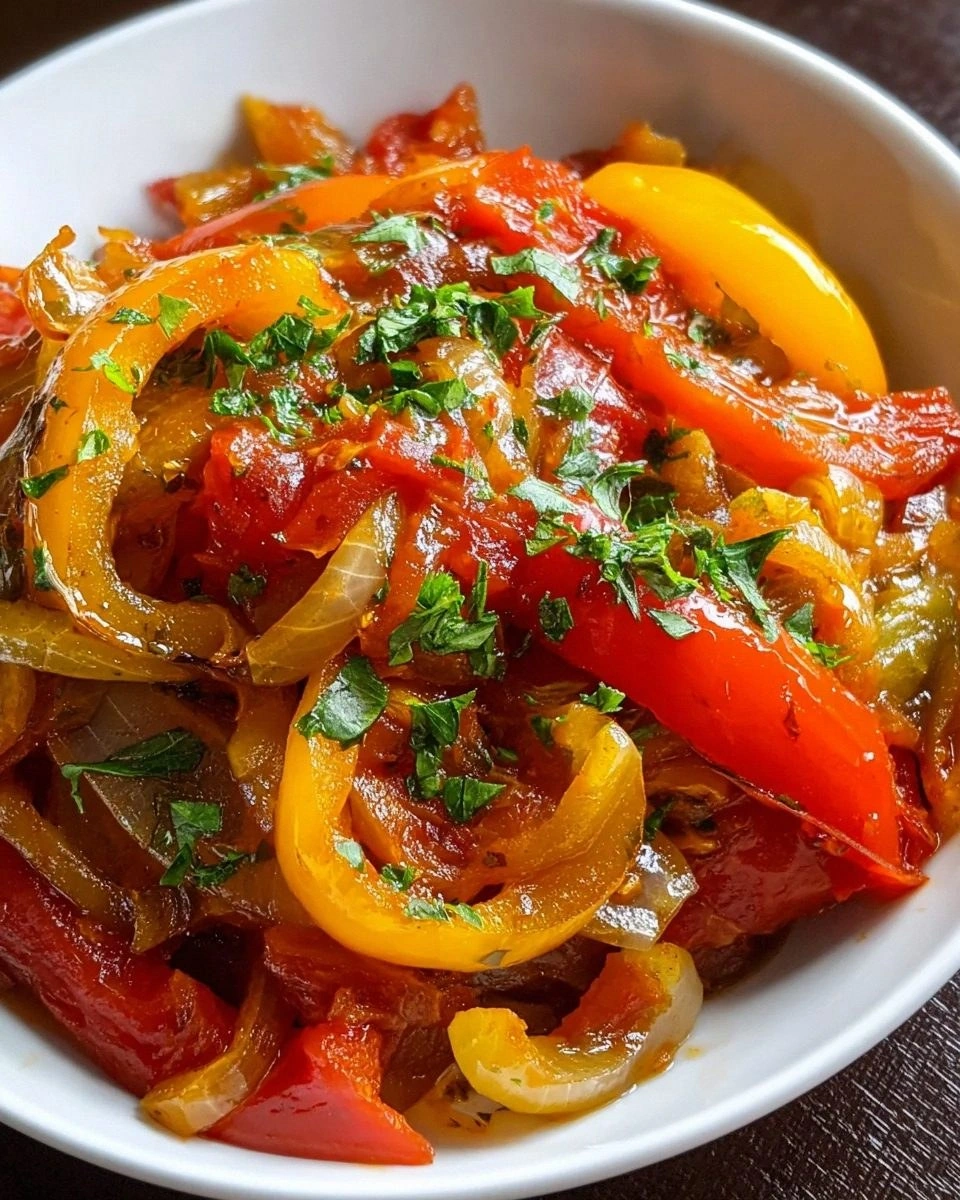
The Method — Step by Step
Heat four tablespoons of olive oil in a large, heavy‑bottomed saucepan over medium heat. When the oil shimmers, add the sliced onions, stirring constantly. The onions should start to soften after about two minutes, then begin to turn translucent. Keep an eye on them; you want them to sweat, not brown, because that gentle cooking releases their natural sugars without burning. That sizzle when it hits the pan? Absolute perfection.
Add the diced bell peppers to the pan, spreading them out so each piece contacts the surface. Let them cook for 5‑7 minutes, stirring occasionally, until they start to develop a light caramel color on the edges.
Kitchen Hack: If the peppers start to stick, de‑glaze with a splash of water or broth; this also helps lift the caramelized bits for extra flavor.Stir in the minced garlic and let it cook for just 30 seconds—no more. Garlic burns faster than onions and peppers, turning bitter in an instant. You’ll know it’s ready when the aroma becomes sweet and nutty, filling the kitchen like a promise of what’s to come. This brief flash‑cook is the secret to keeping the garlic fragrant without scorching.
Now, dump in the fresh tomatoes (or canned if you’re in a hurry) and stir to combine. The mixture will look quite liquid at first; that’s normal. Bring the stew to a gentle simmer, then reduce the heat to low, allowing it to thicken slowly. As the tomatoes break down, they’ll mingle with the peppers, creating a glossy, ruby‑red sauce that clings to every vegetable.
Season with a generous pinch of salt and freshly cracked black pepper. At this point, taste and adjust; the stew should taste balanced—sweet, slightly acidic, and savory.
Kitchen Hack: Use a small spoon to scoop a bit of sauce, let it cool, then taste. This prevents the heat from numbing your palate and gives a more accurate seasoning.Let the stew simmer uncovered for 20‑25 minutes, stirring occasionally. This is the trickiest part: you need to keep an eye on the liquid level.
The sauce should reduce to a thick, clingy consistency that coats the back of a spoon. The peppers should be fork‑tender but still hold their shape, offering a pleasant bite.Watch Out: If the stew dries out before the peppers are tender, add a splash of water or broth. Too much liquid will make it soupy, so add gradually.Just before you finish, stir in the tablespoon of red wine vinegar. This brightens the entire pot, cutting through the sweetness and giving the dish a lively lift. Allow the vinegar to meld for another minute, then remove the pan from heat.
Finally, fold in the chopped fresh basil or parsley, letting the residual heat wilt the herbs gently. This final flourish adds a fragrant, green note that makes the stew smell like a sun‑kissed garden. Taste one last time and adjust salt, pepper, or a touch more vinegar if needed.
Serve hot, spooned over crusty Italian bread, polenta, or a bed of creamy risotto. Picture yourself pulling this out of the pot, the whole kitchen smelling incredible, and your guests hovering for that first spoonful. That moment? Pure culinary triumph. And now the fun part: I’ll share a few extra tricks to elevate this dish even further.
Insider Tricks for Flawless Results
The Temperature Rule Nobody Follows
Keep the heat at a steady medium‑low once the tomatoes are added. Too high, and the sauce will scorch on the bottom, giving a bitter edge; too low, and the flavors never meld properly. A good rule of thumb is to keep a gentle bubble on the surface—just enough to see the sauce moving but not a rolling boil. I once tried a high‑heat shortcut and ended up with a burnt bottom that ruined the whole batch.
Why Your Nose Knows Best
Before you even taste, trust the aroma. When the onions turn golden and the peppers develop that caramelized scent, you’re on the right track. If the kitchen smells like raw onion only, give it a few more minutes. Your nose can detect the sweet‑savory transition long before your palate does, saving you from premature seasoning.
The 5‑Minute Rest That Changes Everything
After you’ve turned off the heat, cover the pot and let the stew rest for five minutes. This short pause allows the flavors to settle and the vinegar’s brightness to integrate fully. I’ve tried serving immediately and got a “sharp” feedback; after the rest, the dish feels smoother and more cohesive.
Layered Salt Strategy
Season in stages: a pinch during the onion sauté, another after the tomatoes, and a final adjustment at the end. This layered approach prevents over‑salting and ensures every component is seasoned evenly. A friend once added all the salt at once and ended up with a stew that tasted like seawater.
The Secret of Fresh Herbs
Add the herbs at the very end, and don’t crush them too finely. Roughly chopped leaves release their oils gradually, giving a more nuanced herb flavor. If you finely mince them, the herb can become bitter when exposed to the residual heat.
Creative Twists and Variations
This recipe is a playground. Here are some of my favorite ways to switch things up:
Smoky Eggplant Peperonata
Swap half of the bell peppers for diced roasted eggplant. The smoky depth of the eggplant pairs beautifully with the sweet peppers, creating a richer, earthier stew. This version shines when served alongside grilled meats.
Spicy Sausage Kick
Add sliced Italian sausage or spicy chorizo during the tomato‑addition step. The meat contributes protein and a savory heat that transforms the dish into a hearty main course. Perfect for a chilly evening.
Herb‑Infused Olive Oil
Infuse the olive oil with rosemary or thyme before sautéing. The oil takes on a fragrant, piney note that subtly permeates the entire stew, adding an aromatic layer without extra herbs at the end.
Vegan Coconut Cream Finish
Stir in a quarter cup of coconut cream right before serving for a silky, slightly sweet finish. This works especially well if you’re serving the stew over rice or quinoa, adding a luxurious texture.
Winter Root Vegetable Mix
Introduce diced carrots, parsnips, or sweet potatoes in step 2. The natural sweetness of the roots deepens the stew’s flavor profile, making it a comforting winter side dish.
Storing and Bringing It Back to Life
Fridge Storage
Transfer the cooled stew to an airtight container and store in the refrigerator for up to four days. The flavors continue to meld, so the second day often tastes even better. When reheating, add a splash of water or broth to restore the original sauce consistency.
Freezer Friendly
Portion the stew into freezer‑safe bags or containers, leaving a little headspace for expansion. It freezes beautifully for up to three months. To thaw, move it to the fridge overnight, then reheat gently on the stove, stirring occasionally.
Best Reheating Method
Reheat on the stovetop over low heat, adding a tablespoon of water or broth per cup of stew. This steam‑back technique revives the sauce’s glossy sheen and prevents it from drying out. A quick microwave works in a pinch, but the stovetop method preserves the texture and flavor best.