I still remember the night I tried to impress my roommate with a fancy appetizer and ended up with a half‑baked, soggy mess that tasted like a sad, salty apology. The kitchen was a battlefield of burnt breadcrumbs and a faint scent of burnt oil that lingered in the air for days. That disaster became the catalyst for a relentless quest to perfect a dish that feels both indulgent and comforting, yet is surprisingly simple to pull off.
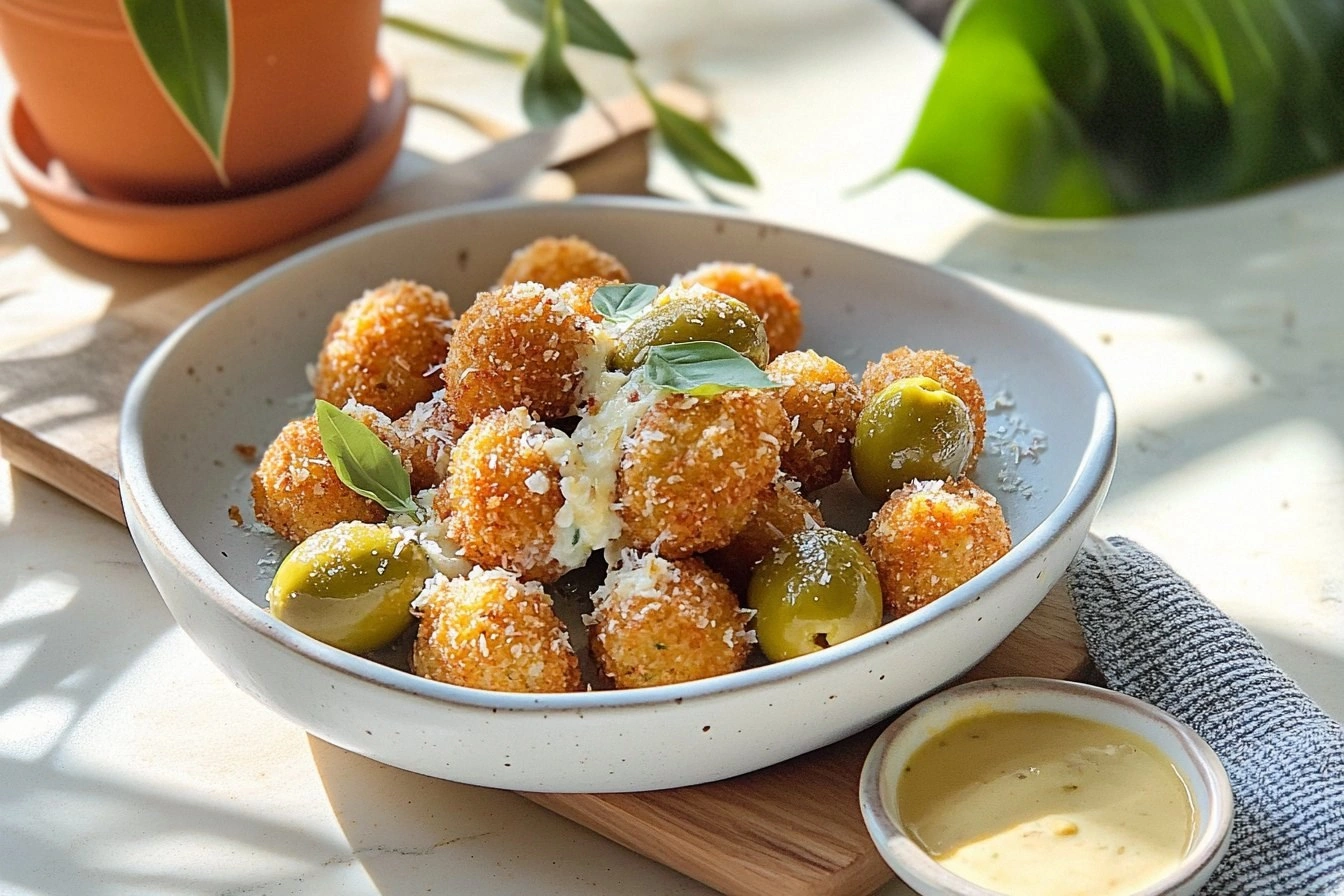
Picture this: a bowl of glossy green olives, each one a tiny, briny pocket awaiting a creamy treasure. The aroma that rises when you open the jar is sharp, slightly citrusy, and instantly nostalgic. When the olives meet the molten blend of cream cheese and mozzarella, the flavors mingle like old friends at a reunion, while the crispy coating adds a satisfying crackle that echoes the crunch of a fresh apple bite. The texture is a harmonious dance of gooey, melty interior and golden, crunch‑laden exterior. The heat from the fryer caramelizes the breadcrumbs, creating a caramelized crust that holds the cheese inside like a protective shell.
What makes this version stand out is that it takes a simple concept—stuffed olives—and transforms it into an edible work of art. It balances brininess with creaminess, crunch with melt, and boldness with subtlety. The method is foolproof, the ingredients are pantry staples, and the end result is a crowd‑pleaser that can be served at parties, game nights, or a quiet evening at home. I dare you to taste this and not go back for seconds. It’s hands down the best version you’ll ever make at home, and I’ll be honest—my friends keep asking for the recipe even after the last bite.
I’ll let you in on a little secret that most recipes ignore: a splash of lemon juice in the batter and a pinch of smoked paprika in the breadcrumb mix. These tiny tweaks elevate the flavor profile and give the olives that extra zing that makes every bite memorable. Picture yourself pulling this out of the fryer, the whole kitchen smelling incredible, and the first bite delivering a burst of savory, cheesy goodness that makes you sigh with contentment. Okay, ready for the game‑changer? Let me walk you through every single step—by the end, you’ll wonder how you ever made it any other way.
What Makes This Version Stand Out
- Taste: The combination of briny olives, creamy cheese, and smoky paprika creates a layered flavor that lingers on the palate.
- Texture: A crisp exterior that shatters like thin ice, giving way to a molten, stringy interior that pulls apart in your mouth.
- Simplicity: All you need is a handful of pantry staples and a deep‑frying pan, no fancy equipment required.
- Uniqueness: The use of a blended cheese mixture inside each olive gives a depth that most stuffed olive recipes lack.
- Crowd Reaction: At parties, this dish becomes the centerpiece—guests line up for seconds, and you’re the hero who delivered the wow factor.
- Ingredient Quality: Fresh, firm olives and high‑fat cream cheese provide the best mouthfeel and flavor.
- Cooking Method: The deep‑frying technique locks in moisture and creates an irresistibly crispy crust.
- Make‑Ahead Potential: Assemble the stuffed olives ahead of time, refrigerate, and fry just before serving to save time during a gathering.
Alright, let's break down exactly what goes into this masterpiece…
Inside the Ingredient List
The Flavor Base
Large green olives are the backbone of this dish. Their firm texture holds the cheese mixture securely, while their natural brininess provides a salty counterpoint to the richness of the cheeses. If you opt for a milder olive variety, you’ll need to add a pinch of sea salt to balance the flavors. For a more authentic Mediterranean twist, choose Kalamata olives; their slightly sweet undertones will deepen the overall profile.
Cream cheese brings silky smoothness and a tang that brightens the olive’s flavor. It also acts as a binder, ensuring that the mozzarella doesn’t leak out during frying. If you’re vegan, a coconut‑based cream cheese works surprisingly well, though the flavor will shift slightly toward tropical notes.
Shredded mozzarella is the star of the show, delivering that classic stringy, melty texture that melts into the olive’s cavity. The mozzarella’s higher moisture content creates steam during frying, which helps the cheese expand and become gooey. A blend of mozzarella and provolone can add a sharper bite, while adding a touch of sharp cheddar introduces a smoky depth.
The Texture Crew
All‑purpose flour provides a dry surface that helps the egg wash adhere to the olives, creating a uniform coating before the breadcrumb step. This layer also adds a slight crunch when fried. If you’re looking for a gluten‑free option, use a gluten‑free all‑purpose blend; the texture will be comparable but without the gluten.
Eggs are the glue that binds the flour and breadcrumb layers together. They also give the coating a golden, glossy finish when fried. For a lighter version, whisk the eggs with a splash of milk to create a more airy batter.
Bread crumbs or panko provide the essential crispy crust. Panko’s airy, flaky nature results in a lighter, crunchier exterior, while regular breadcrumbs give a denser, more traditional crunch. Dust the breadcrumbs with a dash of smoked paprika or dried oregano for an aromatic boost.
Vegetable oil is the medium that delivers even, high‑heat frying. Use a neutral oil with a high smoke point, such as canola or peanut oil, to avoid imparting unwanted flavors. A small splash of sesame oil at the end of frying adds a subtle nutty aroma.
The Unexpected Star
Seasonings such as paprika, garlic powder, or black pepper are optional but essential for elevating the dish. They add depth and a hint of complexity that transforms a simple appetizer into a culinary experience. A pinch of cayenne pepper introduces a gentle heat that pairs well with the richness of the cheeses.
The Final Flourish
A squeeze of fresh lemon juice over the finished olives brightens the brine and cuts through the richness, creating a balanced bite. A sprinkle of fresh parsley or dill adds a pop of color and a fresh herbal note that makes the dish feel light and vibrant.
Everything's prepped? Good. Let's get into the real action…
The Method — Step by Step
- Prepare the Filling: In a small bowl, combine the cream cheese and shredded mozzarella until the mixture is smooth and homogenous. Use a fork or a small whisk to ensure the cheeses are fully blended. The goal is a thick, spreadable paste that won’t leak when stuffed into the olives. Keep the mixture chilled in the refrigerator until you’re ready to fill.
- Stuff the Olives: Take a pair of kitchen tweezers or a small spoon to carefully fill each olive cavity with the cheese mixture. Push the mixture in until the olive is nearly full, but leave a little space for the coating to cling. If you’re using a smaller olive, you may need to reduce the amount of filling slightly to avoid overflow.
- Set the Oil: Heat 2 inches of vegetable oil in a heavy‑bottomed pot or deep fryer to 350°F (175°C). Use a thermometer to maintain a steady temperature; too hot and the coating will burn before the inside melts, too cool and the olives will absorb oil and become soggy. A steady 350°F ensures a crisp, golden exterior and a perfectly melted interior.
- Coat with Flour: Lightly dust each stuffed olive with all‑purpose flour, tapping off any excess. The flour creates a dry surface that allows the egg wash to adhere evenly. This step also helps the breadcrumb coating stick better, ensuring a uniform crust.
- Egg Wash: In a shallow bowl, whisk the eggs with a splash of water or milk. Dip each floured olive into the egg wash, making sure it’s fully coated. The egg creates a golden, glossy layer that holds the breadcrumbs in place during frying.
- Breadcrumb Layer: Prepare a shallow dish of breadcrumbs or panko mixed with paprika, garlic powder, and a pinch of black pepper. Roll each egg‑coated olive in the breadcrumb mixture, pressing gently to ensure a firm crust. The seasoning will infuse the coating with subtle flavors that complement the cheese.
- Fry the Olives: Carefully lower the coated olives into the hot oil using a slotted spoon or tongs. Fry in batches to avoid overcrowding, which can lower the oil temperature. Fry for 2–3 minutes, or until the coating turns a deep golden brown and the olives emit a faint steam. The internal cheese should be bubbling but not overflowing.
- Drain and Cool: Remove the fried olives with a slotted spoon and place them on a paper towel‑lined plate to drain excess oil. Let them cool for a minute or two; this allows the coating to firm up slightly, preventing it from becoming soggy when served.
- Finish with Lemon: Squeeze a thin layer of fresh lemon juice over the hot olives. The acidity brightens the brine and cuts through the richness of the cheese. Sprinkle chopped parsley or dill for a burst of color and freshness.
- Serve Immediately: Arrange the olives on a platter or individual plates. Serve hot while the coating remains crisp and the cheese inside is still molten. Pair with a chilled white wine or a light beer for a perfect complement.
That's it — you did it. But hold on, I've got a few more tricks that'll take this to another level…
Insider Tricks for Flawless Results
The Temperature Rule Nobody Follows
Most people fry at a single temperature, but the secret is to start at 350°F and raise it to 375°F in the last minute of frying. This two‑phase approach gives the coating a crisp outer shell while ensuring the cheese inside melts evenly. If you’re using a deep fryer, set the temperature to 350°F and let it stabilize before adding the olives. Keep a thermometer handy; even a small variance can affect the final texture.
Why Your Nose Knows Best
The first scent you’ll notice is the caramelization of the breadcrumbs. That aroma signals that the coating is golden and ready. If you still smell raw flour, the oil is too cool. The smell of melted cheese indicates the interior is done. Trust your nose; it’s the most reliable indicator of readiness.
The 5‑Minute Rest That Changes Everything
After frying, let the olives rest on a paper towel for five minutes. This short rest allows the coating to set and prevents the cheese from spilling out when you bite. It also lets excess oil drain fully, keeping the exterior crisp. Skipping this step often results in a soggy crust.
The Quick Chill Trick
If you’re preparing the olives ahead of time, chill them in the fridge for at least an hour before coating. The cold temperature helps the cheese firm up, preventing it from leaking during frying. This trick is especially useful when you’re hosting a large gathering and need to prep in advance.
The Flavor Layering Secret
Add a tablespoon of finely grated Parmesan to the breadcrumb mixture. The Parmesan adds umami and a subtle nutty flavor that elevates the overall taste. It also contributes to a slightly darker, richer crust that looks as good as it tastes.
Creative Twists and Variations
This recipe is a playground. Here are some of my favorite ways to switch things up:
Mediterranean Medley
Swap the cream cheese for feta and add chopped sun‑dried tomatoes to the filling. The tanginess of the feta and the sweet burst of tomatoes create a Mediterranean flavor profile that’s both bright and savory. Serve with a drizzle of olive oil and a sprinkle of oregano for authenticity.
Spicy Jalapeño Kick
Add finely diced jalapeños to the cheese mixture for a subtle heat that complements the brine. The pepper’s bright green color also adds visual appeal. Pair with a cooling yogurt dip to balance the spice.
Cheddar & Chive Combo
Replace mozzarella with sharp cheddar and mix in chopped fresh chives. The sharpness of the cheddar contrasts nicely with the salty olives, while the chives provide a fresh, oniony note. This variation is a hit with cheddar lovers.
Vegan Delight
Use a dairy‑free cream cheese and a plant‑based mozzarella alternative. Add nutritional yeast to the breadcrumb mix for a cheesy flavor without dairy. This version is just as indulgent and offers a cruelty‑free option.
Herb‑Infused Crunch
Incorporate finely chopped rosemary, thyme, or basil into the breadcrumb coating. The herbs release their aroma during frying, giving the coating a fragrant, herbaceous character. This twist is perfect for a garden‑themed dinner.
Sriracha Sweetness
Mix a teaspoon of sriracha into the cheese filling for a sweet‑heat kick. The sriracha’s sweet undertones balance the saltiness of the olives, while the heat adds excitement. This variation is a crowd‑pleaser for spice enthusiasts.
Storing and Bringing It Back to Life
Fridge Storage
Store the stuffed olives in an airtight container in the refrigerator for up to 48 hours. Keep the coating dry by placing a paper towel under the olives to absorb excess moisture. Reheat in a 350°F oven for 8–10 minutes to restore crispness.
Freezer Friendly
For longer storage, freeze the stuffed olives in a single layer on a baking sheet before transferring to a freezer bag. Freeze for up to 3 months. To reheat, bake at 375°F for 12–15 minutes until hot and crispy.
Best Reheating Method
Reheat by placing the olives in a preheated oven at 375°F. Add a splash of water to the baking pan to create steam, preventing the coating from drying out. After 8–10 minutes, check that the cheese is molten and the coating is golden.