I was standing in my kitchen, staring at a half‑finished batch of oat‑based breakfast that had somehow turned into a soggy, flavorless mess. The timer buzzed, the smoke alarm gave a polite chirp, and my roommate walked in, eyebrows raised like she’d just seen a culinary crime scene. I dared her to taste it, and she laughed, “I’ll take the challenge, but you’re buying the coffee.” That moment sparked a quest: to create a breakfast that could rescue any morning disaster and turn it into a tropical vacation for the palate.
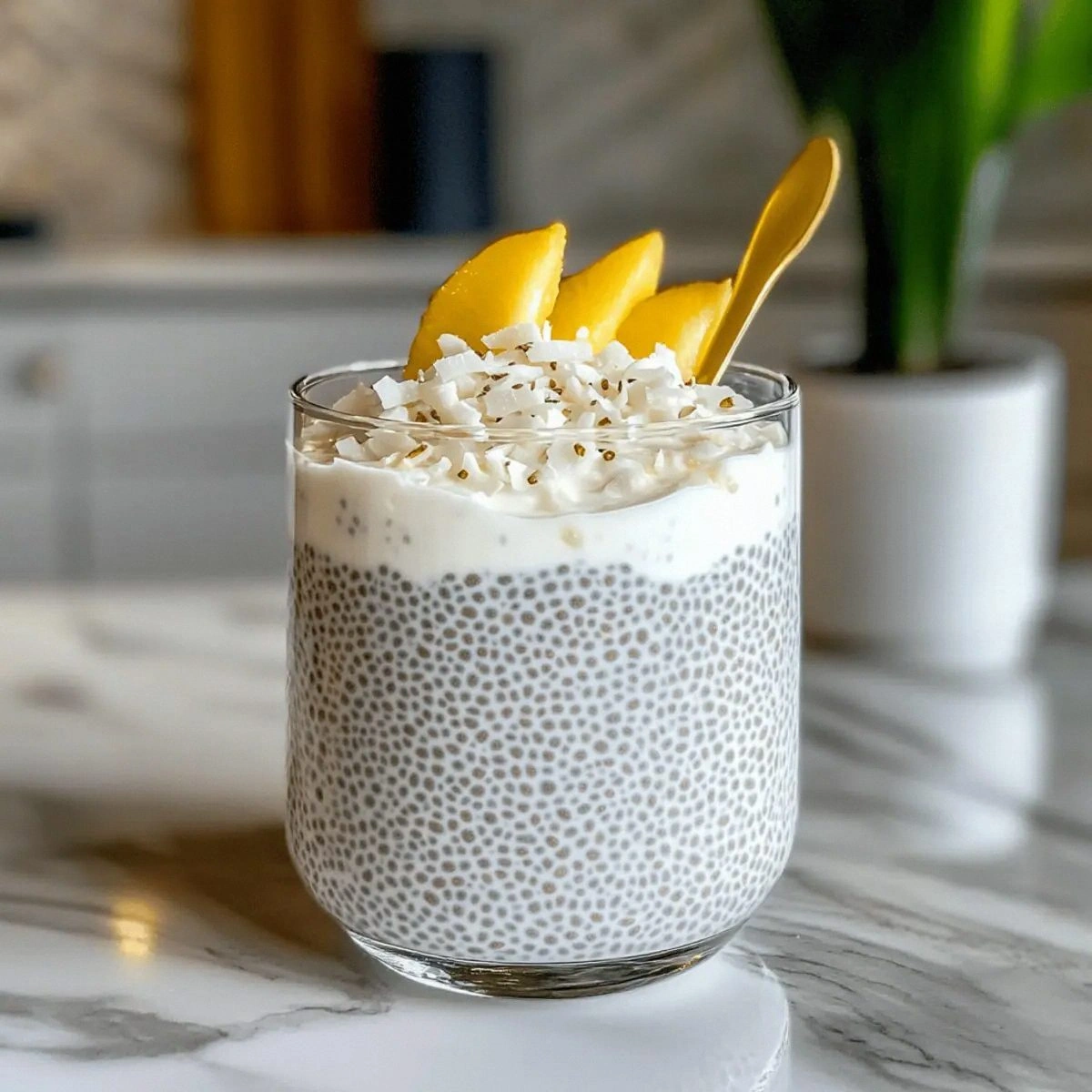
Picture this: a spoonful of pudding that feels like a silky wave of coconut milk crashing onto a beach of crunchy granola, while the subtle pop of fresh fruit adds a sun‑kissed brightness. The scent of toasted oats mingles with the sweet perfume of honey and vanilla, a fragrant hug that makes you want to close your eyes and inhale forever. You’ll hear the gentle fizz of chia seeds as they swell, a tiny orchestra that plays a soft, gelatinous rhythm against the backdrop of creamy Greek yogurt. The texture? Imagine a cloud that’s been lightly dusted with toasted coconut—soft, yet with a whisper of crunch that makes every bite an adventure.
Most chia pudding recipes get this completely wrong: they either drown the chia in a swamp of milk or forget the crucial balance of texture, ending up with a gloopy mess that feels like eating a wet sponge. I’ve cracked the code by marrying the heart‑warming comfort of oats with the exotic flair of coconut, and I’m about to hand you the exact technique that makes this version unbeatable. I’m talking about a secret step—briefly toasting the oats and coconut together—that adds a caramelized depth you never expected from a “no‑cook” breakfast.
I’ll be honest — I ate half the batch before anyone else got to try it, and I’m still not over the lingering taste of that first spoonful. I dare you to taste this and not go back for seconds; the combination is so addictive that you’ll start planning your day around the next serving. Let me walk you through every single step — by the end, you’ll wonder how you ever made it any other way.
What Makes This Version Stand Out
- Texture: The oats give a hearty, almost porridge‑like body while the chia seeds create a delicate gel that feels like a tropical mousse. Together they create a contrast that’s both satisfying and dreamy.
- Flavor: Toasted coconut and vanilla extract add a fragrant sweetness that outshines the blandness of ordinary chia pudding. The honey drips in just enough natural sugar to keep it lively.
- Simplicity: No fancy equipment, just a bowl, a whisk, and a fridge. You can assemble it in under ten minutes and let the magic happen while you get ready for the day.
- Versatility: This base works for breakfast, a post‑workout snack, or even a light dessert. Swap the fruit or nuts, and you’ve got a whole new experience.
- Ingredient Quality: Using full‑fat Greek yogurt adds protein and a tangy richness that balances the sweet coconut, while the oats keep the glycemic load gentle.
- Make‑Ahead Potential: The pudding holds up beautifully for up to three days, making it perfect for busy mornings when you need a grab‑and‑go option.
- Crowd Reaction: Serve it at brunch and watch eyes widen; people will ask for the recipe before they even finish the first bite.
- Eco‑Friendly: Most of the ingredients are pantry staples with low environmental impact, and the whole dish is plant‑forward, perfect for a greener kitchen.
Inside the Ingredient List
The Flavor Base
The milk acts as the liquid canvas, allowing the chia seeds to bloom and the oats to soften. Using a full‑fat dairy or coconut milk will give you that creamy mouthfeel; a low‑fat option will still work but may feel thinner. If you’re dairy‑free, almond or oat milk are excellent swaps, just be mindful of added sugars.
Greek yogurt adds a tangy depth and a protein boost that makes this pudding more satisfying than a typical chia dessert. Opt for plain, full‑fat Greek yogurt for the richest texture; flavored varieties can be used if you want an extra sweet kick, but you may need to reduce the honey.
Vanilla extract is the aromatic whisper that ties the tropical notes together. A real vanilla bean would be even more luxurious, but a quality pure extract works just as well. If you’re out of vanilla, a pinch of ground cardamom can give an exotic twist.
The Texture Crew
Oats are the unsung hero, providing a hearty bite that prevents the pudding from feeling too gelatinous. Choose rolled oats for the best texture; instant oats will turn mushy, while steel‑cut oats stay too firm.
Chia seeds are the magic gel agents. They absorb up to 12 times their weight in liquid, creating that signature pudding consistency. If you’re allergic to chia, you can substitute with ground flaxseed, but expect a slightly thinner result.
Shredded coconut adds a tropical crunch and a fragrant oil that carries the coconut flavor throughout. Unsweetened coconut is preferable so you can control the sweetness with honey. Toasting it, as mentioned earlier, will add a toasty note that elevates the dish.
The Unexpected Star
Honey is the natural sweetener that binds the flavors without overwhelming them. Its floral notes complement the coconut and vanilla, while its viscosity helps keep the pudding from separating. If you’re vegan, maple syrup or agave nectar work as direct replacements.
Fresh fruit provides a burst of acidity and juiciness that cuts through the richness. Berries, mango, or pineapple are ideal tropical choices; they also add antioxidants and a pop of color for visual appeal.
The Final Flourish
Nuts contribute a satisfying crunch and a dose of healthy fats. Toasted almonds, pecans, or macadamia nuts pair beautifully with coconut. If you have a nut allergy, roasted pumpkin seeds make a great alternative.
Granola sits on top just before serving, delivering an extra layer of texture that contrasts the creamy interior. Choose a low‑sugar granola or make your own with oats, honey, and a pinch of sea salt.
When shopping, look for organic oats and coconut to avoid unwanted additives, and pick a Greek yogurt with live cultures for a probiotic boost. Fresh fruit should be ripe but firm, so it holds up when mixed in.
Everything's prepped? Good. Let's get into the real action...
The Method — Step by Step
Start by gathering all your dry ingredients: oats, shredded coconut, chia seeds, and a pinch of sea salt. Toss them into a large mixing bowl and give them a quick stir to ensure they’re evenly distributed. This is the moment where you set the foundation, and the scent of toasted coconut will already start to tease your nose. Pro tip: If you’re using steel‑cut oats, give them an extra minute of soaking later.
Now, heat a non‑stick skillet over medium heat. Add the oat‑coconut mixture and toast, stirring constantly, for about 3‑4 minutes until the mixture turns a light golden brown and releases a nutty aroma. This step is pure magic; it creates a caramelized backdrop that prevents the pudding from tasting flat.
Kitchen Hack: Keep a wooden spoon nearby; it distributes heat more evenly than metal and prevents scorching.While the oats toast, whisk together the wet components in a separate bowl: milk, Greek yogurt, honey, and vanilla extract. The mixture should be smooth, with the honey fully dissolved—if you see streaks, keep whisking until they vanish. This is where the pudding starts to feel luxurious, and the honey’s floral notes begin to mingle with the vanilla.
Once the oats and coconut are toasted, transfer them back into the large mixing bowl and pour the wet mixture over them. Stir vigorously with a whisk or a sturdy spoon, making sure every oat and coconut flake is coated. You’ll notice the chia seeds start to swell almost instantly, creating tiny gelatinous pearls that look like a miniature galaxy.
Cover the bowl with plastic wrap or a lid and place it in the refrigerator for at least 30 minutes, preferably an hour. This resting period is crucial; the chia seeds need time to fully hydrate, and the oats soften into a pudding‑like consistency.
Watch Out: Do not skip this step, or you’ll end up with a gritty, under‑hydrated texture that feels like chewing on dry oats.After the chilling period, give the pudding a good stir to break up any clumps. At this point, it should have a thick, spoon‑able consistency that holds its shape on a plate. If it feels too thick, whisk in a splash of extra milk—just a tablespoon at a time—until you reach your desired creaminess.
Now it’s time to add the fresh fruit. Gently fold in the fruit of your choice, making sure not to crush delicate berries. The fruit adds a bright, juicy contrast that lifts the pudding from heavy to light.
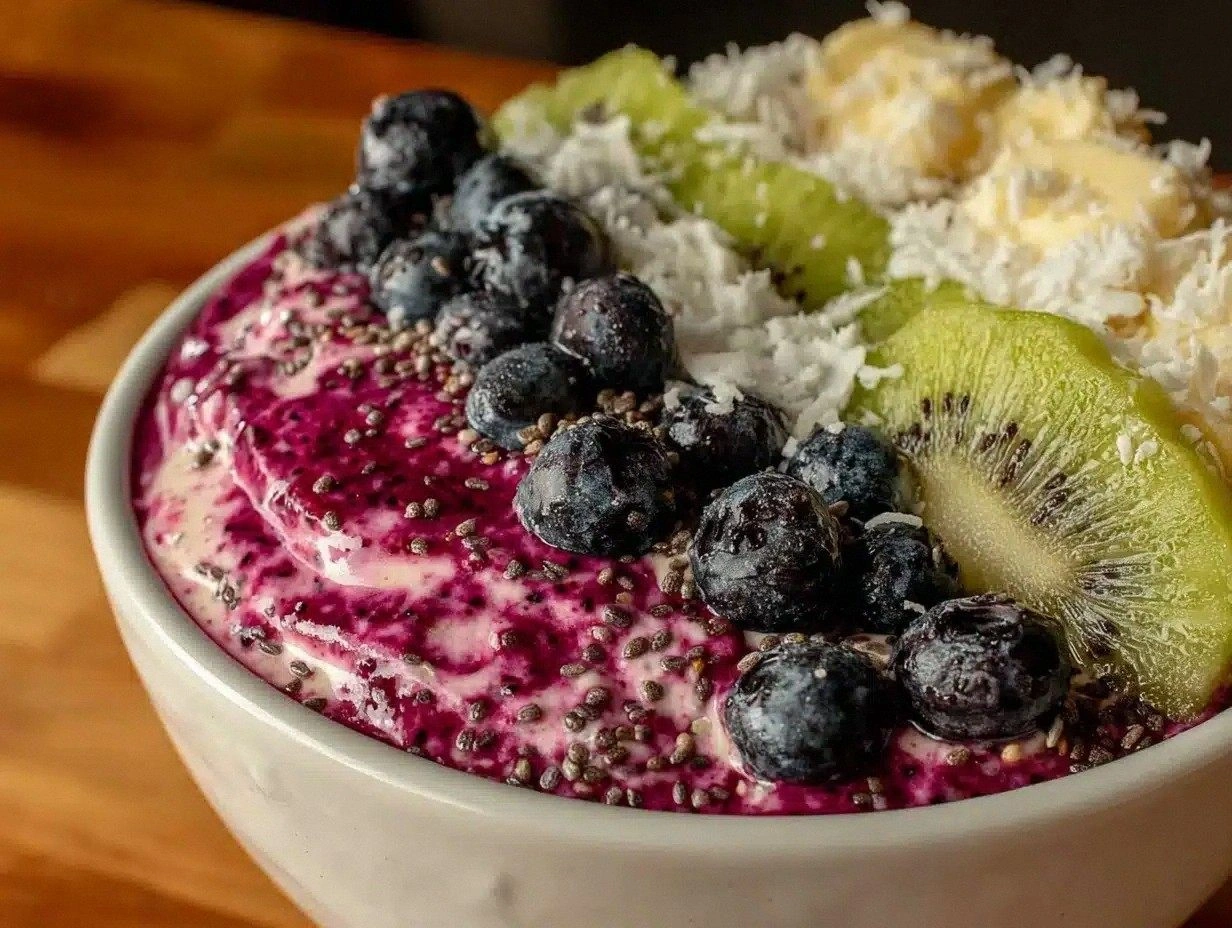
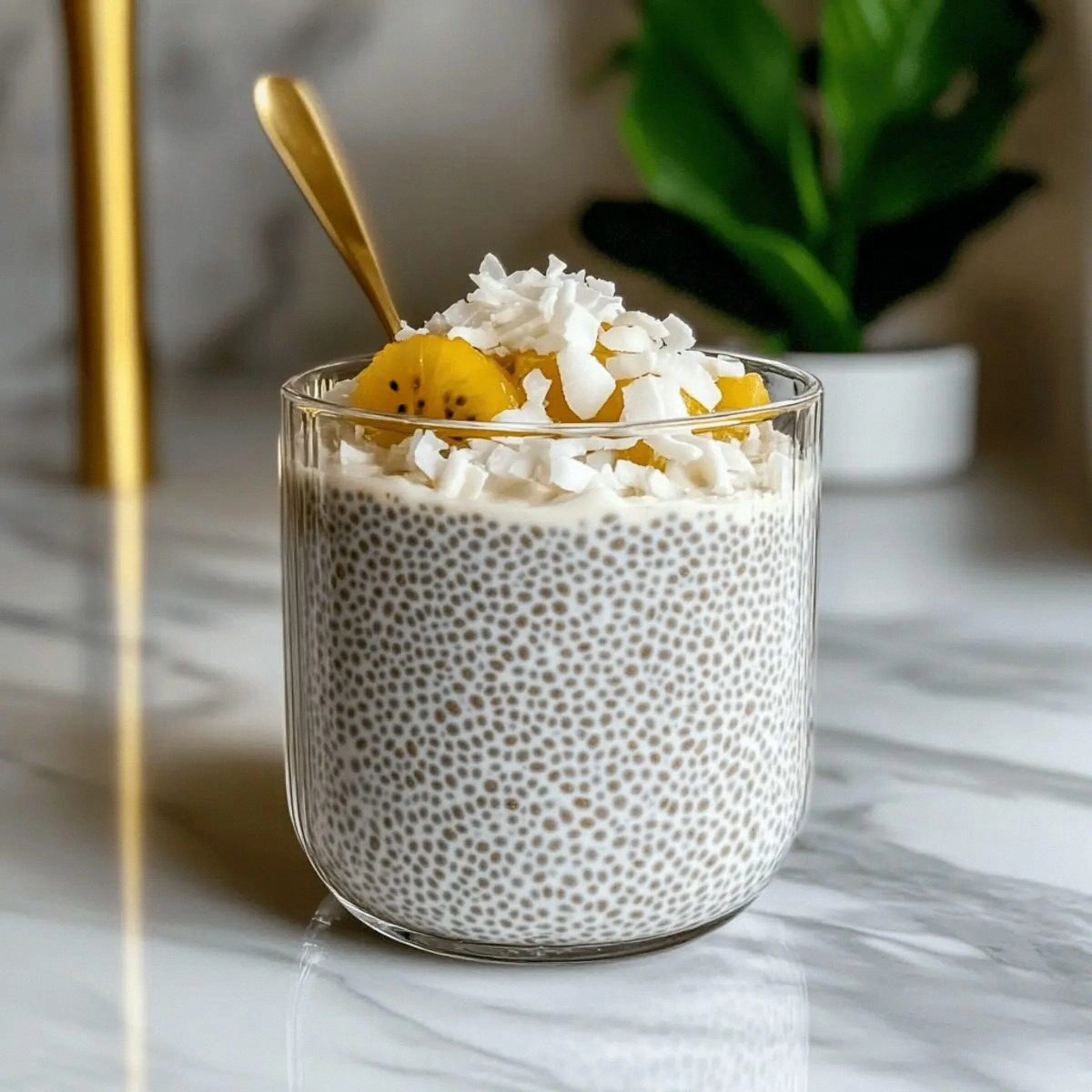
Portion the pudding into four serving glasses or bowls. Sprinkle each serving with a generous handful of nuts and a crunchy layer of granola. The final visual—golden coconut, vibrant fruit, and a crisp granola crown—looks like a tropical sunrise in a cup.
Serve immediately, or let it sit for another 10 minutes if you prefer the granola to soften slightly. Either way, you’ll experience a symphony of textures: creamy, crunchy, juicy, and toasty all at once. This is the moment of truth—taste, smile, and realize you’ve just created a breakfast masterpiece.
That's it — you did it. But hold on, I've got a few more tricks that'll take this to another level...
Insider Tricks for Flawless Results
The Temperature Rule Nobody Follows
Never combine cold milk with a hot skillet; the sudden temperature shock can cause the chia seeds to clump. Instead, let the milk sit at room temperature for 10 minutes before mixing. This subtle adjustment ensures a smoother gel and prevents those unwanted grainy pockets. A friend once tried to speed things up by microwaving the milk, and the pudding turned out rubbery—lesson learned.
Why Your Nose Knows Best
When you’re toasting the oats and coconut, trust your sense of smell more than a timer. The moment you detect a warm, nutty aroma, you’re close to perfection. Over‑toasting leads to bitterness, while under‑toasting leaves the mixture flat. Keep the skillet moving; a stationary mixture will scorch in spots.
The 5‑Minute Rest That Changes Everything
After the initial chill, give the pudding a quick 5‑minute stir before the final plating. This extra agitation redistributes the chia gel and prevents a dense layer at the bottom. It also helps the flavors meld more uniformly, so every spoonful tastes identical.
Layering Like a Pro
When assembling the final bowl, start with a base layer of pudding, then a middle layer of fruit, and finish with nuts and granola on top. This tiered approach not only looks stunning but also ensures each bite delivers a balanced mix of textures. If you dump everything together, the granola will get soggy too quickly.
The Secret Sweet Spot
Honey’s sweetness can vary by brand; taste your honey before adding it. If it’s particularly floral, you might want to reduce the amount by a teaspoon. Conversely, a milder honey can be balanced with a pinch of sea salt to enhance depth.
Creative Twists and Variations
This recipe is a playground. Here are some of my favorite ways to switch things up:
Mango‑Lime Paradise
Swap the mixed berries for diced mango and add a squeeze of fresh lime juice. The citrus cuts through the coconut’s richness and gives the pudding a sun‑kissed tang that feels like a beach vacation in a bowl.
Chocolate Coconut Dream
Stir in two tablespoons of cocoa powder with the dry ingredients and replace half of the milk with coconut milk. Top with shaved dark chocolate and toasted coconut flakes for a decadent, dessert‑worthy twist.
Nut‑Free Crunch
If you have a nut allergy, omit the nuts and use roasted pumpkin seeds and toasted oat clusters for that satisfying crunch. The pumpkin seeds bring a subtle earthiness that pairs well with the sweet coconut.
Protein Power Boost
Add a scoop of vanilla whey or plant‑based protein powder to the wet mixture. This turns the pudding into a post‑workout refuel that still tastes like a treat.
Spiced Autumn Version
Incorporate a pinch of cinnamon and nutmeg into the dry mix, and use diced apple instead of tropical fruit. The warm spices make it perfect for cooler mornings while retaining the creamy texture.
Storing and Bringing It Back to Life
Fridge Storage
Transfer the pudding into airtight containers and store in the refrigerator for up to three days. Keep the granola and nuts separate until you’re ready to serve; they’ll stay crisp for longer.
Freezer Friendly
Yes, you can freeze this pudding! Portion it into freezer‑safe jars, leaving a little headspace, and freeze for up to one month. Thaw overnight in the fridge, then give it a quick stir and add a splash of milk to revive the creamy texture.
Best Reheating Method
If the pudding feels too thick after chilling, microwave for 10‑15 seconds, then stir in a teaspoon of water or milk. The added liquid creates steam that softens the chia gel without turning the mixture watery.