I was standing in my kitchen on a cold December evening, the kind of night where the only thing louder than the wind outside is the relentless ticking of the clock reminding me that dinner was still an hour away. I had a pan of overcooked turkey that looked like a sad, dry sculpture and a bag of carrots that had been sitting untouched since the grocery trip. In a moment of desperation (and a dash of culinary bravado), I tossed those carrots into a bowl, drizzled them with honey, melted butter, and a handful of garlic, then shoved the whole thing into the oven. The result? A side dish so glossy, sweet, and buttery that it practically sang “you’re welcome” to every bite.
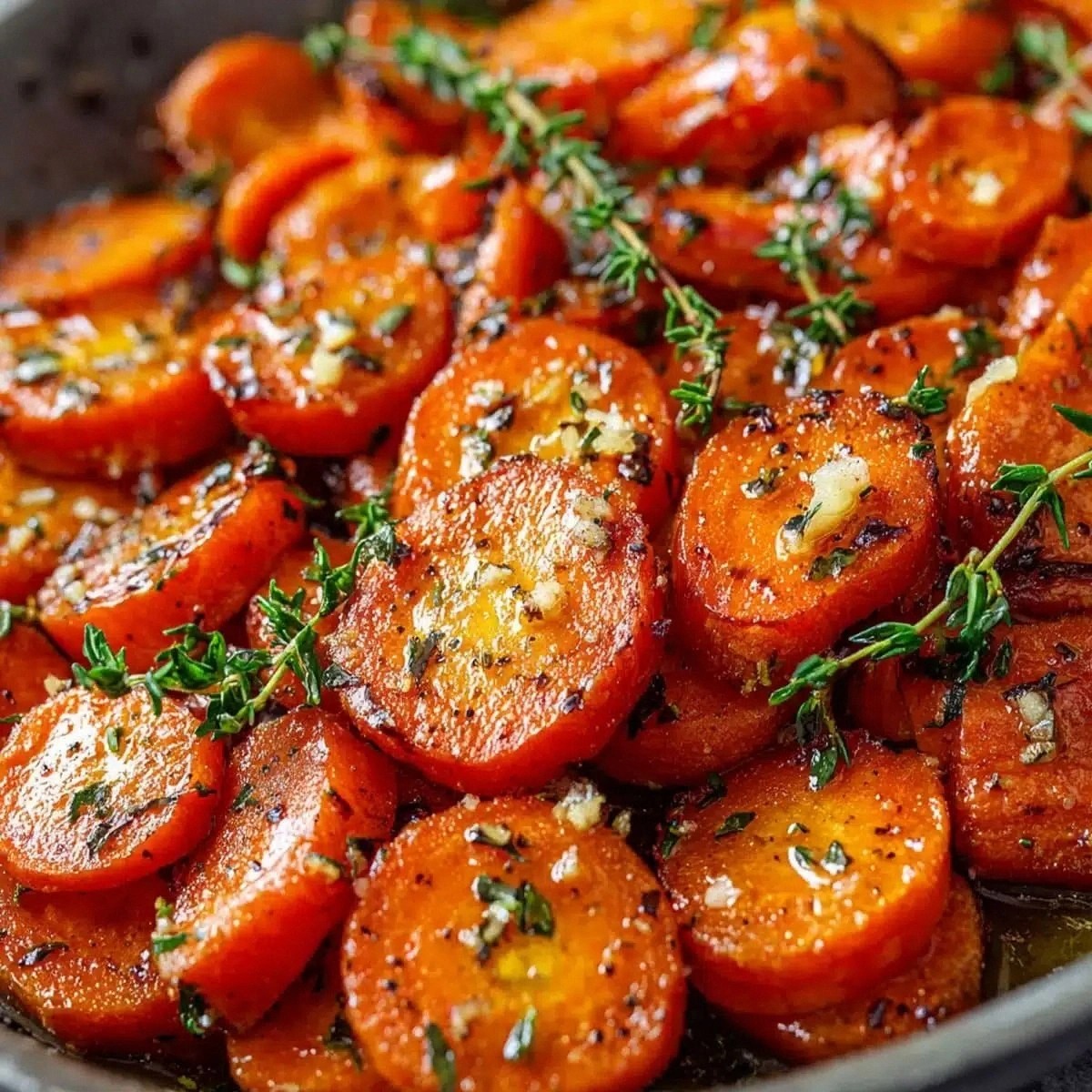
Picture this: the oven door swings open and a cascade of caramelized aromas floods the kitchen—sweet honey mingling with the earthy perfume of roasted carrots, a whisper of garlic that makes your nose do a little happy dance, and a buttery sheen that catches the light like a sunrise on a snowy field. The carrots themselves are transformed; their natural sugars caramelize into a golden crust while the interiors stay tender, almost melt‑in‑your‑mouth soft. When you bite, the first thing you notice is the crunch of the edges, a crisp that shatters like thin ice, followed by a buttery, garlicky melt that coats your palate like velvet. And the best part? The flavor is balanced—sweet, savory, and just a hint of herbaceous thyme that lifts everything without overpowering.
Most recipes I’ve seen either drown the carrots in a syrupy glaze that turns them soggy, or they skimp on the butter, leaving the veggies dry and bland. I’ve tried the “just add honey” version and ended up with a sticky mess that clung to the pan like a bad breakup. This version, however, uses a precise butter‑honey‑garlic emulsion that creates a glossy coating while still allowing the carrots to roast to perfection. I’m daring you to taste this and not go back for seconds; that’s a promise I’m willing to back up with a full‑blown confession: I ate half the batch before anyone else could even get a forkful.
What truly sets this side apart is a tiny secret ingredient—a splash of high‑quality olive oil that helps the butter brown without burning, and a pinch of fresh thyme that adds an aromatic lift reminiscent of a winter forest. Most holiday sides rely on heavy creams or sugary glazes; this one balances richness with freshness, making it the ultimate crowd‑pleaser for both kids and adults. Let me walk you through every single step — by the end, you’ll wonder how you ever made it any other way.
What Makes This Version Stand Out
- Flavor Fusion: The honey‑garlic‑butter trio creates a layered taste experience that starts sweet, deepens with savory garlic, and finishes with buttery richness.
- Texture Triumph: Carrots develop a caramelized edge that cracks like a fresh snow crust while the interior remains melt‑in‑your‑mouth tender.
- Simplicity: Only seven core ingredients, all pantry‑friendly, and a single‑sheet pan method that saves you time and dishes.
- Unique Twist: A splash of olive oil prevents the butter from scorching, giving you that perfect golden‑brown finish every time.
- Crowd Reaction: Even the pickiest eaters can’t resist the sweet‑savory combo; it’s the side that sparks “more, please!” at the table.
- Ingredient Quality: Fresh, young carrots and real butter make a world of difference compared to frozen veg or margarine.
- Cooking Method: Roasting at high heat locks in flavor while the glaze caramelizes, a technique most boiled‑or‑steamed carrot recipes miss.
- Make‑Ahead Potential: You can prep the carrots and glaze ahead of time, then pop them in the oven right before serving for stress‑free holiday hosting.
Inside the Ingredient List
The Flavor Base
Butter is the heart of this dish, providing that luxurious mouthfeel and a nutty depth once it begins to brown. Using unsalted butter lets you control the salt level precisely, ensuring the glaze isn’t overly salty. If you skip the butter, you’ll lose the glossy finish and the caramel notes that turn carrots from ordinary to extraordinary. Swap tip: For a dairy‑free version, try a high‑quality plant‑based butter; it mimics the richness while keeping the dish vegan.
The Sweet‑Savory Duo
Honey is the sweet whisper that coax the natural sugars in carrots to caramelize, creating those golden edges we all love. Choose a mild, floral honey like clover or acacia for a clean sweetness; darker honeys add a robust, almost molasses‑like flavor but can dominate the palate. If you’re allergic to honey, maple syrup works as a 1:1 substitute, though it will lend a slightly different flavor profile. Buying tip: Look for raw, unfiltered honey for the most nuanced taste and health benefits.
The Aroma Crew
Garlic, minced finely, releases its pungent oils that meld with the butter and honey, creating an aromatic bridge between sweet and savory. Fresh garlic beats powdered garlic hands down; the latter can taste flat after roasting. If you’re sensitive to raw garlic’s bite, roast the cloves first for a milder, sweeter note. Fun Fact: Garlic has been used for centuries not just for flavor but also for its antimicrobial properties, making it a kitchen superhero.
The Unexpected Star
Olive oil might seem like a background player, but it’s the secret that prevents the butter from scorching at the high roasting temperature. It also adds a subtle fruitiness that lifts the entire dish. If you’re aiming for a pure butter flavor, you can reduce the oil to a tablespoon, but keep a close eye on the pan to avoid burning. Alternative: Use grapeseed oil for a neutral taste if you don’t want any extra olive flavor.
The Final Flourish
Fresh thyme leaves sprinkle a herbaceous note that cuts through the sweetness, while a pinch of sea salt amplifies every flavor component. Freshly cracked black pepper adds a gentle heat that balances the honey’s sweetness. Skipping these finishing touches would leave the dish tasting flat, like a movie without a soundtrack. Pro tip: Add thyme at the very end of roasting so it stays vibrant and doesn’t turn bitter.
Everything's prepped? Good. Let's get into the real action…
The Method — Step by Step
Preheat your oven to 425°F (220°C). This high heat is the engine that drives caramelization, giving the carrots that coveted golden crust. While the oven warms, line a large rimmed baking sheet with parchment or a silicone mat; this prevents sticking and makes cleanup a breeze. Power transition: Okay, ready for the game‑changer?
Peel the carrots and cut them into uniform sticks—about ½ inch thick. Uniformity ensures even cooking; uneven pieces will either burn or stay raw. Toss the carrots in a bowl with 2 tablespoons of olive oil, making sure each piece gets a light coating.
Kitchen Hack: If you’re short on time, use a food processor’s slicing attachment to get perfect sticks in seconds.Spread the oiled carrots in a single layer on the prepared sheet, leaving a little space between each piece. Too much crowding creates steam, which sabotages that crisp edge we’re after. Sprinkle a generous pinch of sea salt and freshly cracked black pepper over the top. Watch Out: Over‑seasoning now will make the glaze too salty later; keep it moderate.
Place the sheet in the oven and roast for 12 minutes. You’ll hear a faint sizzle as the carrots begin to brown—listen for that sound, it’s the first sign of caramelization. After 12 minutes, pull the pan out and give the carrots a quick toss with a spatula to ensure even browning on all sides.
While the carrots get a quick turn, melt 2 tablespoons of unsalted butter in a small saucepan over medium‑low heat. As the butter melts, let it bubble gently until it turns a light amber color and releases a nutty aroma—that’s the butter “browning” stage, and it’s crucial for depth of flavor. Add 3 cloves of minced garlic and sauté for 30 seconds, just until fragrant; you don’t want the garlic to turn brown.
Stir in 3 tablespoons of honey, letting it melt into the butter‑garlic mixture. The sauce should become glossy and start to thicken slightly. At this point, add 1 teaspoon of fresh thyme leaves, letting the herb release its essential oils.
Watch Out: If the honey starts to scorch, lower the heat immediately; burnt honey tastes bitter and ruins the glaze.Drizzle the honey‑garlic‑butter glaze over the partially roasted carrots, using a spoon to coat each piece evenly. Toss gently to ensure every carrot is bathed in the shimmering sauce. Return the pan to the oven for a final 15‑18 minutes, or until the carrots are tender when pierced with a fork and the edges are caramelized and slightly crisp.
When the timer dings, pull the carrots out and let them rest on the sheet for 2 minutes. This brief rest allows the glaze to set, giving you that glossy finish that doesn’t slide off the plate. Taste a piece; you should hear a faint crack as you bite, followed by a burst of sweet‑savory butter that coats your tongue. Micro‑challenge: I dare you to taste this and not go back for seconds.
Transfer the carrots to a serving platter, sprinkle a final pinch of sea salt, and garnish with a few extra thyme sprigs for visual flair. Serve hot, straight from the oven, and watch your guests’ eyes widen as the aroma hits the room. Future pacing: Picture yourself pulling this out of the oven, the whole kitchen smelling incredible, and everyone reaching for seconds.
That's it — you did it. But hold on, I've got a few more tricks that'll take this to another level...
Insider Tricks for Flawless Results
The Temperature Rule Nobody Follows
Most home cooks set the oven to 400°F and call it a day, but the extra 25°F pushes the Maillard reaction just enough to create that caramelized crunch without drying the carrots. The key is to preheat thoroughly; a cold oven will steam the carrots instead of roasting them. If you’re using a convection oven, drop the temperature by 15°F to avoid over‑browning. Pro tip: Place the rack in the middle of the oven for even heat distribution.
Why Your Nose Knows Best
The moment the carrots start to smell toasty, you’re at the perfect halfway point. Trust that aromatic cue more than the clock. If the scent is faint, give them a few extra minutes; if it’s strong and sweet, they’re probably done. I once relied solely on the timer and ended up with a batch that was too dark—never again.
The 5‑Minute Rest That Changes Everything
After roasting, let the carrots sit for exactly five minutes before serving. This pause lets the glaze thicken and adhere, preventing it from sliding off the plate. It also allows the residual heat to finish cooking the interior, guaranteeing melt‑in‑your‑mouth softness.
The Butter‑First Finish
A final drizzle of cold butter right before serving adds a glossy sheen and a burst of fresh buttery flavor that reheated butter can’t match. It’s a tiny step that makes the dish look restaurant‑ready. Just a tablespoon, cut into small pieces, tossed gently over the hot carrots.
Seasonal Swaps for Year‑Round Appeal
If you’re making this outside the holiday season, try adding a splash of orange zest for a bright, winter‑green vibe, or a pinch of smoked paprika for a smoky depth. These tweaks keep the dish fresh and adaptable, ensuring you’ll never get bored of the same flavor profile.
Creative Twists and Variations
This recipe is a playground. Here are some of my favorite ways to switch things up:
Maple‑Mustard Glaze
Swap the honey for pure maple syrup and add a teaspoon of Dijon mustard. The result is a tangy‑sweet coating that pairs beautifully with roasted pork or turkey. The mustard cuts through the sweetness, creating a balanced bite.
Spicy Sriracha Kick
Add a tablespoon of sriracha to the glaze and a pinch of red pepper flakes. This gives the carrots a subtle heat that wakes up the palate, perfect for guests who love a little spice during the holidays.
Herb‑Infused Delight
Replace thyme with rosemary or sage, finely chopped. Each herb brings its own aromatic signature—rosemary adds piney notes, while sage offers an earthy, almost nutty flavor that’s perfect with roasted meats.
Citrus‑Bright Finish
Finish the dish with a squeeze of fresh orange or lemon juice right before serving. The acidity lifts the sweetness and adds a refreshing zing that brightens the whole plate.
Nuts & Seeds Crunch
Toast a handful of sliced almonds or pumpkin seeds and sprinkle them over the carrots just before serving. The extra crunch adds texture contrast and a nutty flavor that complements the honey glaze.
Storing and Bringing It Back to Life
Fridge Storage
Allow the carrots to cool completely, then transfer them to an airtight container. They’ll keep nicely for up to 4 days. Reheat gently in a 350°F oven for 10‑12 minutes, adding a splash of water or a knob of butter to revive the glaze.
Freezer Friendly
Portion the roasted carrots into freezer‑safe bags, removing as much air as possible. They freeze well for up to 2 months. To reheat, thaw overnight in the fridge, then pop them in a preheated oven at 375°F for 15 minutes, again adding a drizzle of butter to bring back that luscious shine.
Best Reheating Method
The secret to reheating without losing texture is to use the oven, not the microwave. Spread the carrots in a single layer on a baking sheet, cover loosely with foil, and bake at 350°F for 8‑10 minutes. Add a tiny splash of water or a dab of butter before covering; the steam will bring the carrots back to their original tenderness while the glaze re‑glazes the surface.