Picture this: it’s a rainy Tuesday evening, the kind where the clouds hang low like a thick curtain and the only thing you can hear is the steady drumming of droplets against the windowpane. I had just burned the bottom of my lasagna—yes, a culinary catastrophe that left the kitchen smelling like smoky regret—and I was craving something that could both console my bruised ego and fill the house with a scent so comforting it would make the storm outside feel like a distant memory. That’s when a friend dared me to resurrect the humble Italian “pappa al pomodoro,” a dish that, in its purest form, is nothing more than tomatoes, bread, and love. I accepted the challenge, and what happened next was nothing short of alchemical.
The first whiff that hit me as the tomatoes hit the pan was a bright, sun‑kissed perfume that reminded me of a bustling Naples market at noon. The olive oil shimmered like liquid gold, the garlic crackled with a promise of aromatic depth, and the basil leaves fluttered into the broth like tiny green confetti. The sound of the stale bread soaking up the broth was a gentle sigh, a subtle “ahh” that told me I was on the right track. My hands felt the warm, viscous sauce as it clung to the spoon, and the kitchen seemed to pulse with a rhythm that matched the rain’s tempo. It was a full‑sensory takeover that made me forget about my lasagna disaster entirely.
Now, most “pappa al pomodoro” recipes out there either drown the bread in a watery tomato sea or turn the soup into a chunky stew that feels more like a failed minestrone. I’ve tried them all, and I’ve learned the hard way that balance is everything. This version is the gold standard because it respects the integrity of each ingredient while coaxing them into a harmonious, velvety embrace that feels both rustic and refined. The secret? A slow, low‑heat simmer that allows the San Marzano tomatoes to break down into a silky base, and a precise timing of when you introduce the bread so it absorbs without disintegrating.
I’m about to spill the beans—or rather, the tomatoes—on a technique that most home cooks overlook: a quick “sweat” of the garlic in olive oil before the tomatoes even see the heat. This step unlocks a depth of flavor that makes the broth sing like an operatic tenor. I dare you to taste this and not go back for seconds. Let me walk you through every single step — by the end, you’ll wonder how you ever made it any other way.
What Makes This Version Stand Out
- Taste: The natural sweetness of San Marzano tomatoes is amplified by the gentle caramelization of garlic, creating a flavor profile that’s both bright and comforting.
- Texture: The bread soaks just enough to become creamy without turning mushy, delivering a luxurious, spoon‑coating body.
- Simplicity: Only six core ingredients, yet each one is treated with a technique that elevates the whole dish.
- Uniqueness: A quick “olive‑oil‑sweat” step that most recipes skip, unlocking a hidden layer of aroma.
- Crowd Reaction: Even the most skeptical eaters admit it’s “the best soup they’ve ever had,” and it disappears in minutes.
- Ingredient Quality: Using authentic San Marzano tomatoes makes a measurable difference in sweetness and acidity.
- Cooking Method: Low‑and‑slow simmer ensures the broth thickens naturally without any cornstarch or flour.
- Make‑Ahead Potential: This soup tastes even better the next day, making it perfect for meal prep.
Inside the Ingredient List
The Flavor Base
The cornerstone of any great Italian soup is a high‑quality tomato. Canned whole peeled San Marzano tomatoes are grown in the volcanic soil of Campania, which gives them a naturally low acidity and a sweet, umami‑rich flesh. If you substitute generic plum tomatoes, you’ll notice a sharper, more acidic bite that can overwhelm the delicate balance. When you crush these gems by hand, you release their juices in a way that preserves their bright flavor. The trick is to let them simmer uncovered for the first ten minutes; this evaporates excess water and concentrates the sauce.
The Texture Crew
Stale or dried bread is the unsung hero here. Its porous crumb acts like a sponge, soaking up the broth and releasing starches that naturally thicken the soup. Fresh bread, on the other hand, can dissolve into a gluey mess. If you can’t find day‑old bread, slice a fresh loaf and bake the slices at 350°F for 10 minutes until they’re just firm to the touch. This creates the perfect texture without any waste.
The Unexpected Star
Extra virgin olive oil isn’t just a cooking medium; it’s a flavor carrier. A good oil will bring fruity notes that complement the tomatoes and add a luxurious mouthfeel. When you gently heat the oil with garlic, you create a fragrant foundation that infuses the entire soup. Don’t rush this step—low heat for a minute or two is all it takes to coax out the oil’s hidden depth.
The Final Flourish
Fresh basil brings a bright, herbaceous lift that cuts through the richness of the broth. Tear the leaves rather than chopping them; tearing releases essential oils without bruising the herb. Add the basil at the very end of cooking to preserve its aromatic punch. If basil isn’t your thing, a handful of flat‑leaf parsley can provide a similar fresh note, though the flavor profile will shift subtly toward a greener, earthier tone.
Everything's prepped? Good. Let's get into the real action...
The Method — Step by Step
Heat a large, heavy‑bottomed pot over medium heat and add the extra virgin olive oil. Once the oil is shimmering—think liquid amber—add the minced garlic. Let the garlic sweat gently; you’ll hear a soft sizzle that’s the sound of flavor building. Keep the heat low enough that the garlic stays fragrant without browning, about 1‑2 minutes. This is the moment of truth: if the garlic burns, the whole soup gets a bitter edge.
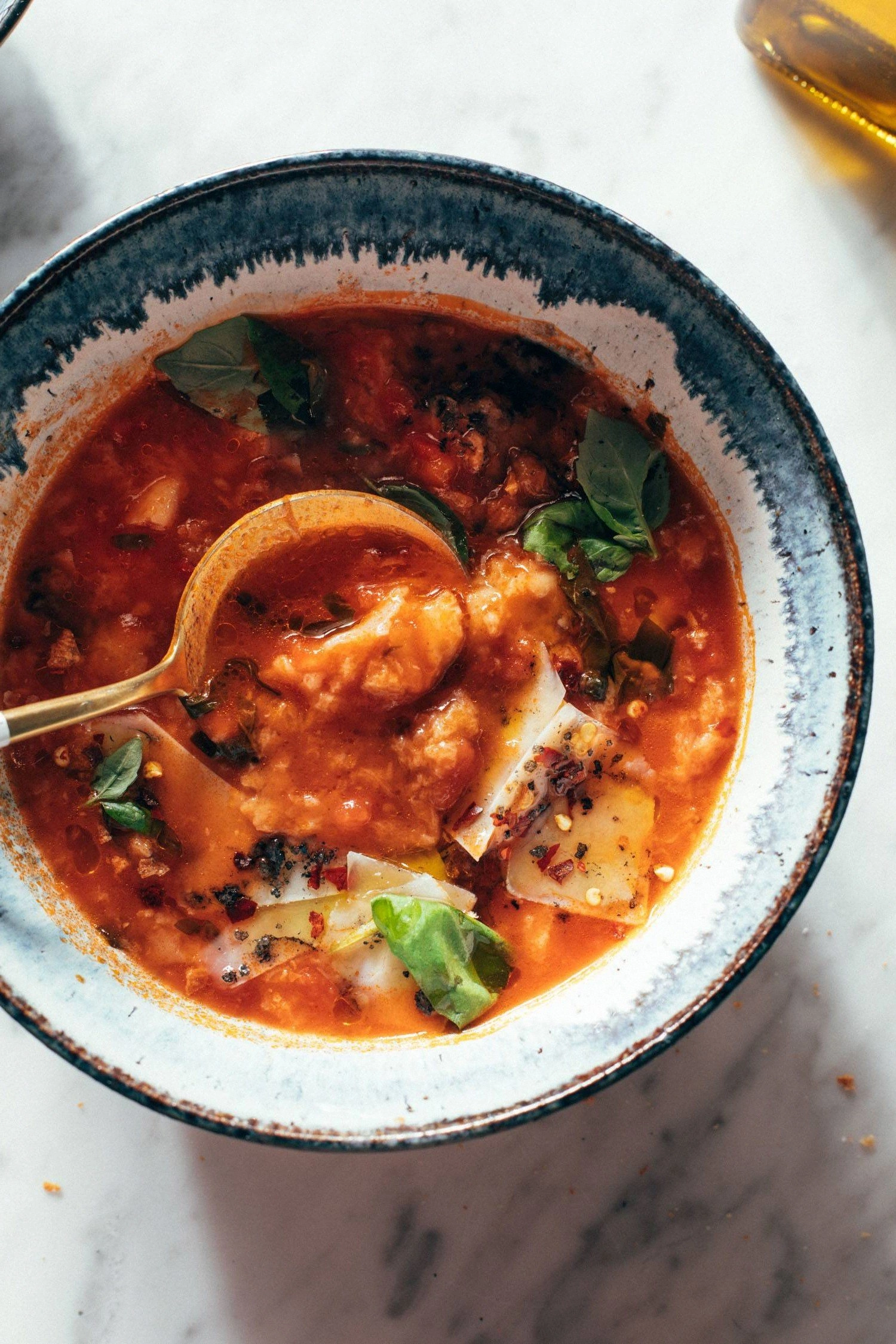
Kitchen Hack: Add a pinch of sea salt to the oil while sweating the garlic; it helps draw out moisture and prevents any hidden bitterness.Pour in the canned whole peeled San Marzano tomatoes, their juices and all. Use a wooden spoon to crush the whole tomatoes directly in the pot, creating a rustic, chunky base. Let the mixture come to a gentle boil, then reduce to a low simmer. As it bubbles, you’ll notice the aroma intensify, a sweet‑tangy perfume that fills the kitchen. Simmer uncovered for 10‑12 minutes, allowing the excess liquid to evaporate and the sauce to thicken naturally.
While the tomatoes are simmering, break the stale bread into bite‑size cubes—about 1‑inch pieces. If you’re using fresh bread, remember the quick toast hack from earlier. Add the bread cubes to the pot, stirring gently to coat each piece with the tomato‑olive‑oil mixture. The bread will begin to soften almost immediately, releasing starches that act as a natural thickener. Watch the edges of the bread start to pull away from the broth; that’s your cue that the soup is reaching that coveted creamy consistency.
Watch Out: If you add the broth too early, the bread will become mushy and the soup may turn watery. Add the broth only after the bread has had a chance to soak up the tomato base.Now, gradually pour in the vegetable or chicken broth—four cups for a soup that’s rich but not overly thick. Stir continuously as you add the broth; this ensures the bread absorbs the liquid evenly. At this stage, the soup should have a velvety texture that clings to the back of a spoon. Taste and adjust the seasoning with a pinch of salt if needed; remember, the broth may already be seasoned.
Let the soup simmer for another 5‑7 minutes, allowing the flavors to meld. The broth will continue to thicken as the bread releases more starch. If you prefer a smoother mouthfeel, you can use an immersion blender for 30 seconds, but I recommend leaving it slightly chunky for that authentic rustic feel. The final consistency should be thick enough to coat a slice of crusty bread without drowning it.
Just before you turn off the heat, tear the fresh basil leaves and stir them in. The basil’s bright, peppery aroma will rise instantly, creating a fragrant steam that signals the soup is ready. This is the part where you should close your eyes, inhale deeply, and let the garden‑fresh scent transport you to an Italian piazza.
Serve the soup hot, ladling generous portions into shallow bowls. Drizzle a thin stream of extra virgin olive oil over each serving for an added glossy finish. If you’re feeling indulgent, garnish with a few extra basil leaves or a sprinkle of grated Pecorino Romano—though the recipe shines brilliantly on its own.
That’s it — you did it. But hold on, I’ve got a few more tricks that’ll take this to another level. Trust me, the next step is pure magic, and it’ll make your guests think you’ve spent hours laboring over a restaurant‑grade dish.
Kitchen Hack: Finish each bowl with a splash of cold water (about a tablespoon). This creates a beautiful sheen and slightly lightens the texture, making each spoonful feel like a silk scarf.
Insider Tricks for Flawless Results
The Temperature Rule Nobody Follows
Never, ever let the soup come to a rolling boil after the bread is added. A gentle simmer keeps the bread from disintegrating and preserves the silky texture. If you notice the pot bubbling too hard, reduce the heat immediately. This trick saved my soup once when I was distracted answering a text—thanks, patience.
Why Your Nose Knows Best
The moment the garlic starts to turn golden, you’ll know it’s time to add the tomatoes. Trust that aromatic cue more than a timer. Your nose can detect the subtle shift from raw to fragrant, and that’s the signal that the flavor base is ready to absorb the tomatoes.
The 5‑Minute Rest That Changes Everything
After you finish cooking, cover the pot and let the soup rest for five minutes off the heat. This pause allows the starches from the bread to fully hydrate, resulting in a thicker, more cohesive soup. Skipping this step often leads to a thinner consistency that feels unfinished.
Seasoning Layers, Not Sprinkles
Instead of dumping all the salt at once, season in stages: a pinch with the garlic, a light dash after the tomatoes, and a final taste after the broth. This layering builds depth and prevents over‑salting. I once added too much salt early on and had to rescue the soup with a splash of broth and a pinch of sugar.
Stirring Strategy for Uniform Thickness
Use a wooden spoon and stir in a figure‑eight motion. This ensures the bread is coated evenly and prevents any clumps of dry bread from forming at the bottom. The wooden spoon also won’t conduct heat, keeping the temperature steady.
Creative Twists and Variations
This recipe is a playground. Here are some of my favorite ways to switch things up:
Spicy Sicilian Kick
Add a pinch of red‑pepper flakes when you sweat the garlic. The heat will dance with the sweet tomatoes, giving the soup a lively bite that pairs beautifully with a glass of robust red wine.
Roasted Red Pepper Version
Swap half of the canned tomatoes for roasted red peppers (jarred or freshly roasted). The smoky depth adds a new dimension and makes the soup a bit sweeter, perfect for cooler evenings.
Protein‑Packed Pappa
Stir in a cup of cooked, shredded chicken or a handful of cannellini beans after the broth is added. This turns the soup into a hearty main course, ideal for a post‑workout refuel.
Herbaceous Medley
Replace basil with a mix of oregano, thyme, and a splash of fresh parsley. The herb combo gives the soup an earthy, woodland feel, great for autumn gatherings.
Vegan Creaminess
Drizzle a tablespoon of cashew cream or coconut cream just before serving. The extra richness will make the soup feel luxurious without any dairy.
Cheesy Finish
Grate a generous handful of Pecorino Romano or Parmesan over each bowl. The salty cheese melts into the hot broth, creating a velvety mouthfeel that’s pure decadence.
Storing and Bringing It Back to Life
Fridge Storage
Transfer the soup to an airtight container and refrigerate for up to three days. The flavors meld even further, making the leftovers taste richer. When reheating, add a splash of water or broth to restore its original silkiness.
Freezer Friendly
Cool the soup completely before portioning into freezer‑safe bags or containers. Freeze for up to two months. Thaw overnight in the fridge, then reheat gently on the stove, stirring in a tablespoon of water to bring back that glossy texture.
Best Reheating Method
Reheat over low heat, stirring frequently, and add a tiny splash of water—just enough to steam the soup back to life. Avoid microwave blasts; they can cause the bread to become gummy. A gentle stovetop revival keeps the soup’s body intact and the flavor vibrant.