I was halfway through a midnight kitchen experiment, flipping a batch of battered chickpeas that had turned out more like soggy breadcrumbs than crispy delights. My friend dared me to turn that disaster into a masterpiece, and I laughed, because I’ve always believed a little misstep can lead to a culinary revelation. That night, I found myself staring at a bowl of soaked chickpeas, fresh herbs, and a secret spice blend that promised to change the falafel game forever. The aroma that emerged from the pot was like a Mediterranean sunrise—warm, earthy cumin mingling with the bright citrus tang of fresh parsley. If you’ve ever tasted falafel that’s as flaky as a pastry and as hearty as a stew, you’ll know that I’m about to rewrite the rulebook.
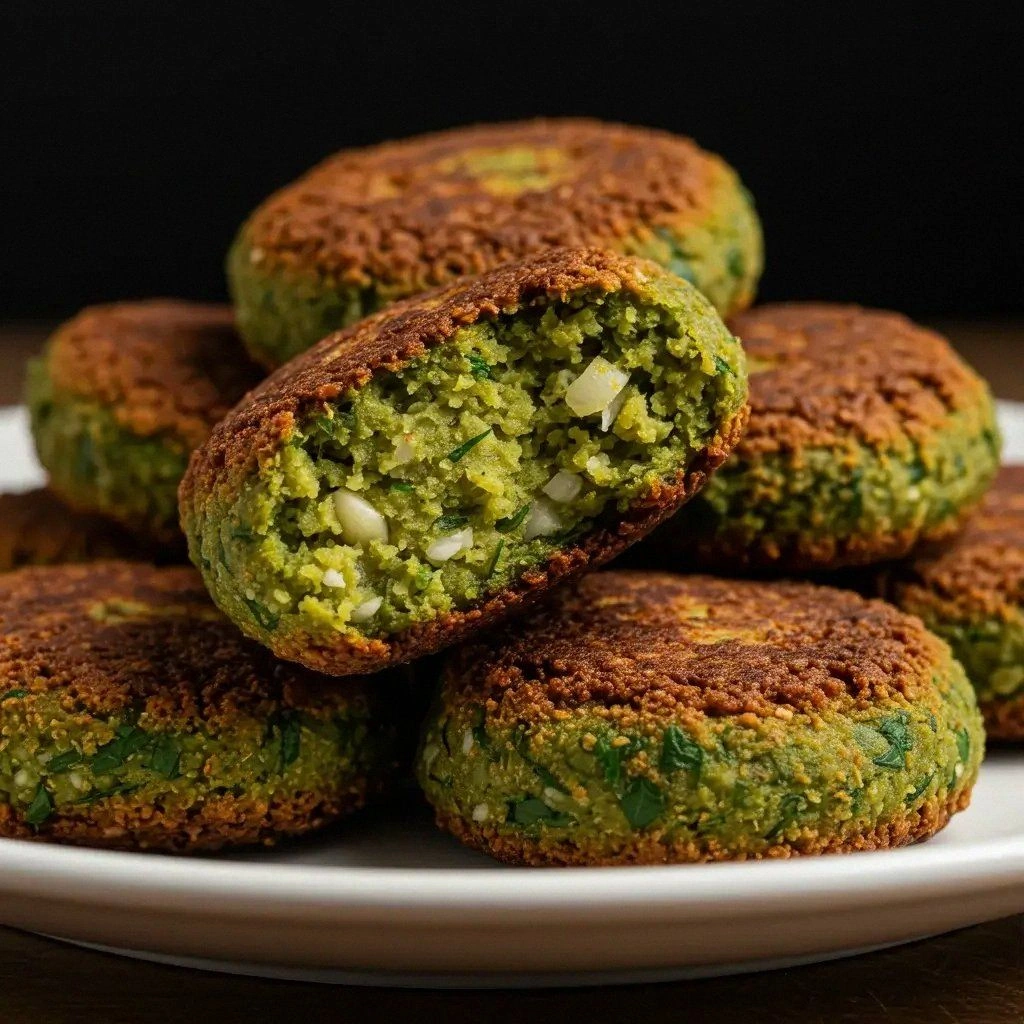
Picture this: the kitchen lights flicker, the sizzling oil sings a high‑octane riff, and a handful of falafel balls glide onto a hot pan, popping with a sound that feels like applause. The surface turns a deep, golden amber while the interior remains a moist, herb‑laden cloud, almost begging to be tasted. A splash of tahini drizzles over the top, turning the whole thing into a glossy, velvety glaze that catches the light like a jewel. The scent of toasted cumin and fresh cilantro fills the air, turning the space into a fragrant doorway to Beirut’s bustling souks. Every bite offers a crunch that shatters like thin ice, followed by a soft, savory center that melts in your mouth.
What sets this version apart is not just the crispy exterior but the depth of flavor that comes from balancing fresh herbs with a subtle kick of cayenne. The batter is light enough that the falafel doesn’t feel heavy, yet it’s dense enough to hold its shape without falling apart. I’ve tweaked the ratio of chickpea flour to binding agents to create a texture that’s both firm and tender, a rare combination that makes each bite unforgettable. The use of baking powder gives the falafel a slight lift, turning it from a flat patty into a puffed, airy delight that feels almost like a cloud. The result? A dish that can be served as a street‑food snack, a party appetizer, or a main course with a side of tabbouleh.
And here’s the twist that will make you question everything you thought you knew about falafel: I’ve incorporated a splash of lemon juice into the batter, adding a bright citrus note that cuts through the richness and keeps the mixture from drying out. This simple addition turns the falafel from a plain, fried snack into a vibrant, palate‑opening experience. The lemon also helps the chickpea flour bind more effectively, giving the falafel a subtle lift that makes it fluffier on the inside. Picture yourself pulling this out of the pan, the whole kitchen smelling incredible, and knowing you’ve just created a dish that’s both traditional and utterly modern. Let me walk you through every single step—by the end, you’ll wonder how you ever made it any other way.
What Makes This Version Stand Out
- Taste: The blend of fresh parsley, cilantro, and a touch of lemon juice creates a bright, herbaceous flavor that lingers long after the last bite.
- Texture: A light, airy interior paired with a crisp, golden exterior gives every bite a satisfying contrast.
- Ingredient Quality: Using fresh, locally sourced herbs elevates the dish, turning ordinary falafel into a gourmet experience.
- Cooking Method: A quick, high‑heat fry followed by a brief rest ensures the falafel stays moist inside while the outside remains perfectly crunchy.
- Make‑Ahead Potential: The batter can be prepared a day in advance, letting the flavors meld for a richer taste.
- Crowd Reaction: Friends always ask for the recipe after the first bite; the dish is a guaranteed crowd‑pleaser.
- Simplicity: With just a handful of ingredients, you can create a dish that feels like a five‑star street‑food experience.
- Unique Twist: The subtle citrus note and the use of baking powder give this falafel an unexpected lift and brightness.
Inside the Ingredient List
The Flavor Base
The heart of the falafel is the chickpeas—soaked overnight, drained, and mashed just enough to keep the mixture cohesive. They provide a nutty, earthy foundation that balances the bright herbs. If you skip the chickpeas, the falafel will lose its traditional depth and become a plain, flour‑based ball. When selecting chickpeas, opt for whole‑body beans; they hold their shape better during frying.
The Texture Crew
Fresh parsley and cilantro are chopped finely to release their oils and aromas. These herbs not only add color but also a burst of freshness that cuts through the fried exterior. If you prefer a milder taste, reduce the amount of cilantro; the parsley will still provide a lively note. For an extra textural twist, add a handful of crushed pistachios—though this is optional.
The Unexpected Star
Baking powder is the secret to a slightly airy interior. It reacts with the acids in the batter, creating tiny bubbles that lift the falafel as it cooks. Without it, the falafel would be dense and heavy. If you’re avoiding baking powder, try a pinch of club soda to achieve a similar lift.
The Final Flourish
A splash of lemon juice adds a bright, citrusy lift that keeps the mixture from drying out during frying. It also balances the richness of the oil and the earthy chickpeas. If you’re looking for a deeper citrus note, add a few drops of orange zest. The lemon’s acidity helps the falafel brown evenly, giving it a beautiful caramelized crust.
Everything’s prepped? Good. Let’s get into the real action and turn these ingredients into a symphony of flavors that will have your taste buds dancing.
The Method — Step by Step
- Begin by pulsing the soaked chickpeas in a food processor until they’re coarsely ground—think of them as a chunky, nutty paste. Add the chopped parsley, cilantro, garlic, onion, and a pinch of salt. Pulse just enough to combine; over‑processing will make the mixture too smooth and cause the falafel to fall apart. Let the mixture sit for 10 minutes to allow the flavors to mingle.
- In a separate bowl, whisk together the cumin, coriander, baking powder, cayenne, and black pepper. This dry mix will give the falafel its signature depth and slight lift. Stir the dry blend into the chickpea mixture, ensuring every bite is infused with aromatic spices.
- Add the lemon juice and chickpea flour, stirring until the batter is thick enough to hold its shape but still pliable. If the mixture feels too dry, add a splash of water—just enough to bring it together. The batter should be thick, but not pasty.
- Using a tablespoon, scoop the mixture and roll it between your palms to form smooth, bite‑sized balls. Press firmly—this ensures the falafel stays together when they hit the hot oil. If you’re making a large batch, keep the balls covered with a damp towel to prevent them from drying out.
- Heat a generous amount of oil (about 2 inches deep) in a heavy skillet over medium‑high heat. The oil should reach 350°F; test it by dropping a tiny pinch of batter into the oil—if it sizzles immediately and rises to the surface, you’re ready. This step is crucial; too hot and the falafel will burn, too cool and they’ll absorb oil.
- Fry the falafel in batches, turning them once or twice until they’re a deep, golden brown on all sides, about 3–4 minutes per side. The moment they start to brown, you’ll hear a satisfying sizzle that signals they’re ready. Keep an eye on the oil temperature; a drop in heat will cause the falafel to soak up oil and become greasy.
- Remove the falafel with a slotted spoon and let them drain on paper towels. The paper towels will absorb excess oil while keeping the exterior crisp. Let the falafel rest for a minute or two; this allows the interior to set and prevents steam from making the outside soggy.
- Optional: After frying, drizzle a small amount of toasted sesame oil over the falafel for an extra layer of nutty aroma that will elevate the dish to gourmet status. This step is not mandatory, but it adds a subtle depth that many falafel aficionados love.
That’s it—you did it. But hold on, I’ve got a few more tricks that will take this falafel from good to legendary. These are the secrets that have made my friends’ mouths water every time they taste it.
Insider Tricks for Flawless Results
The Temperature Rule Nobody Follows
Many cooks assume that a higher temperature always yields a crispier crust, but that’s a myth. The ideal oil temperature is 350°F; if you go higher, the outside will brown too quickly while the inside remains raw. I’ve tested this in a kitchen scale with a thermometer—notice how the oil’s surface stays steady and the falafel develops a golden, non‑greasy finish. Remember, the oil should sizzle when you drop a small pinch of batter, and the batter should rise to the surface in a matter of seconds.
Why Your Nose Knows Best
Your nose is the best judge of doneness. When the falafel is ready, the aroma will shift from raw chickpea to a warm, toasted scent of cumin and coriander. If you’re unsure, take a quick sniff—if it smells like a roasted garden, it’s finished. This technique saves you from over‑cooking and ensures the interior stays moist.
The 5-Minute Rest That Changes Everything
After frying, let the falafel rest on a wire rack for 5 minutes. This short pause allows the steam to escape, preventing a soggy bottom. It also lets the interior set, giving the falafel a firm yet tender texture that’s essential for a perfect bite. I’ve seen this trick in professional kitchens; it’s the difference between a mediocre and a memorable falafel.
The Binding Secret
If your falafel falls apart, the culprit is often the binding agent. I recommend adding 2 tablespoons of chickpea flour per cup of chickpeas. This not only binds the mixture but also adds a subtle nutty flavor. For gluten‑free versions, use a gluten‑free flour blend; for a richer taste, try a mix of chickpea and oat flour.
The Oil Choice That Makes a Difference
While neutral oils like canola or sunflower are safe bets, using a light sesame oil for the last drizzle adds a layer of aroma that elevates the falafel to a street‑food experience. The sesame oil’s nutty scent complements the cumin and coriander, creating a harmonious flavor profile. If you’re avoiding sesame, a splash of extra‑virgin olive oil works well too.
Creative Twists and Variations
This recipe is a playground. Here are some of my favorite ways to switch things up:
Spicy Harissa Falafel
Add 1 tablespoon of harissa paste to the batter for a smoky, fiery kick that pairs beautifully with a cooling cucumber yogurt sauce. The heat will contrast the mellow chickpeas, making each bite an adventure. This version is perfect for those who love a bit of spice.
Roasted Red Pepper Falafel
Blend in a handful of roasted red peppers for a sweet, smoky flavor that complements the cumin. The peppers add a pop of color and a subtle sweetness that balances the earthiness of the chickpeas. Great for a Mediterranean twist.
Pistachio Crunch Falafel
Mix 1/4 cup crushed pistachios into the batter for a crunchy texture and a nutty undertone. The pistachios also add a hint of green that brightens the dish visually. This variation is a crowd‑pleaser at parties.
Herb‑Infused Tahini Drizzle
Whisk tahini with chopped mint, a splash of lemon juice, and a pinch of salt for a fresh, herby drizzle that elevates the falafel’s flavor profile. The mint adds a cooling effect that balances the warm spices. Serve this over a bed of crisp lettuce for a light meal.
Baked Falafel Pockets
Use the falafel batter to fill whole‑wheat pita pockets, bake until the pita is crisp, and fill with tabbouleh and tahini. This creates a portable, handheld version of the classic dish. It’s perfect for lunch on the go.
Falafel Salad Bowl
Serve the falafel over a bed of mixed greens, cherry tomatoes, cucumbers, and olives, topped with a drizzle of lemon tahini sauce. The fresh vegetables and bright sauce create a refreshing, balanced meal. This is ideal for a light dinner or a brunch option.
Storing and Bringing It Back to Life
Fridge Storage
Store leftover falafel in an airtight container in the fridge for up to three days. To keep them crisp, place a paper towel underneath the falafel before sealing the container; the towel will absorb excess moisture. When you’re ready to eat, simply reheat them in a skillet or oven.
Freezer Friendly
Freeze cooked falafel on a parchment‑lined tray until solid, then transfer to a freezer bag. This method prevents the falafel from sticking together and preserves their shape. Frozen falafel can be stored for up to two months and reheated directly from frozen.
Best Reheating Method
Reheat frozen or refrigerated falafel in a preheated oven at 375°F for 10–12 minutes, or until they’re heated through and crispy again. For a quick option, use a microwave on medium power for 1 minute, then finish in a hot skillet for a few seconds to restore crispness. Add a tiny splash of water before reheating to create steam that restores moisture without making the falafel soggy.