I remember the night I was scrambling for a quick dinner after a marathon of late‑night binge‑watching. My fridge was a tragic collage of wilted greens and a lonely jar of mushrooms that had lost its sheen. I stared at the asparagus, the mushrooms, and a stubborn clove of garlic, feeling the culinary dread that had been building for hours. Then, a spark of inspiration hit me like a rogue chef’s calloused hand: “Why not sauté these together and let the flavors dance?”
The moment the pan met the heat, the air filled with an earthy perfume that made my nose twitch. The asparagus spears, bright green, began to sizzle, releasing a faint crunch that promised crispness. The mushrooms, once dull, started to brown, their surfaces turning a glossy mahogany that looked almost like a caramelized candy. Garlic, minced into tiny pearls, exploded with a sharp, sweet aroma that cut through the richness of the butter and olive oil.
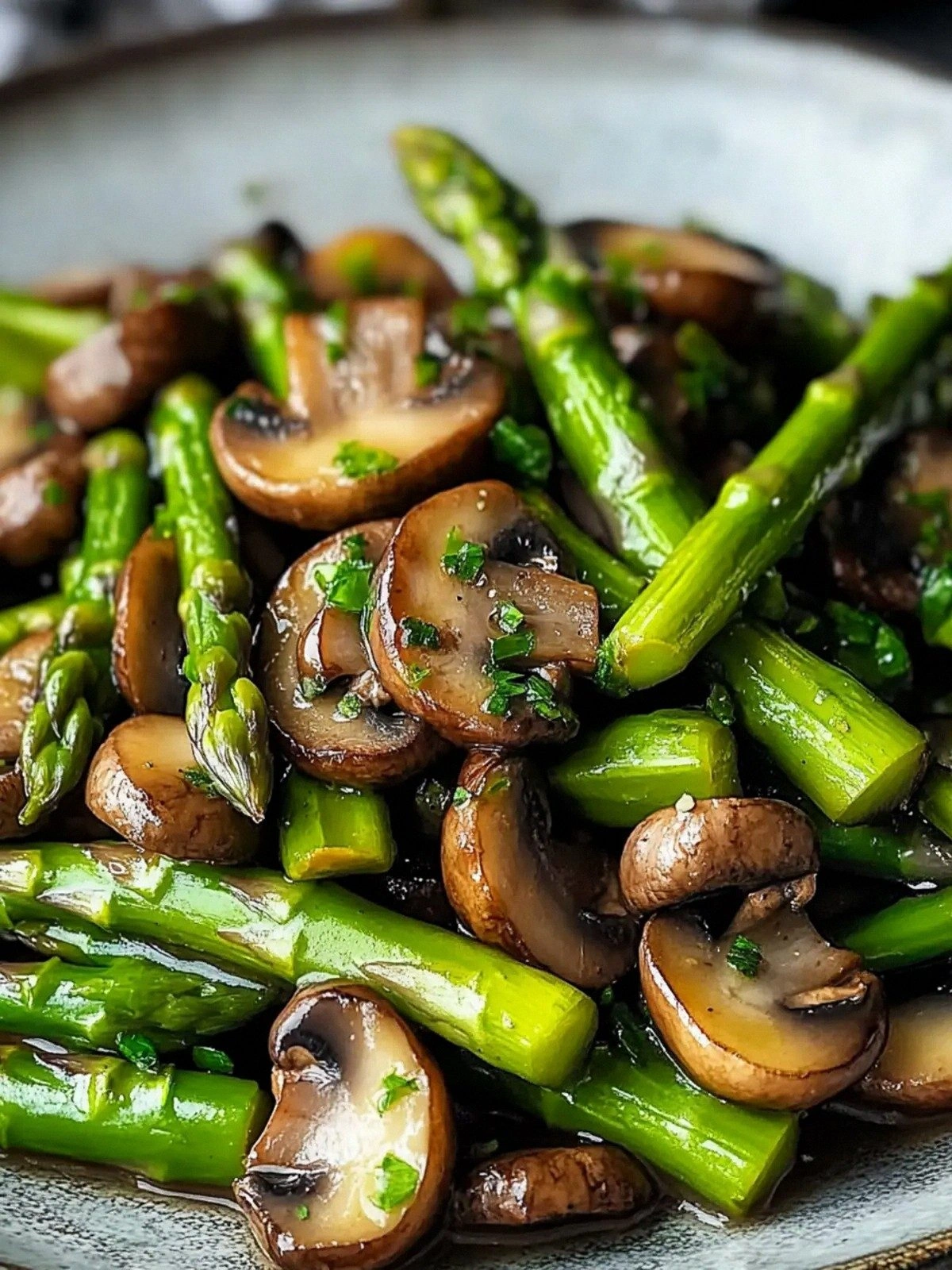
I could almost taste the final dish before it was finished—tender asparagus, perfectly browned mushrooms, and a glossy glaze that would coat every bite like velvet. That sensory preview felt like a promise of something extraordinary, something that would make every other version of sautéed greens pale in comparison. I was already daring you to taste this and not go back for seconds, because this is hands down the best version you'll ever make at home.
What sets this recipe apart is the subtle balance of umami from the liquid aminos, the buttery finish that brings everything together, and the technique that preserves the asparagus's bright color and the mushrooms' meaty texture. It’s not just a side dish; it’s a showcase of how simple ingredients can perform a symphony when handled with confidence. Picture yourself pulling this out of the pan, the whole kitchen smelling incredible, and watching friends light up as they take their first bite. Let me walk you through every single step — by the end, you'll wonder how you ever made it any other way.
What Makes This Version Stand Out
- Flavor: The combination of liquid aminos and garlic creates a savory depth that elevates the natural earthiness of asparagus and mushrooms, turning a simple sauté into a gourmet experience.
- Texture: The quick sear locks in the asparagus’s crisp bite while the mushrooms develop a caramelized crust, giving you a delightful contrast with every forkful.
- Speed: In just 15 minutes you can transform raw produce into a restaurant‑grade side, making it perfect for busy weeknights or last‑minute dinner parties.
- Simplicity: No fancy equipment or obscure ingredients—just pantry staples and a skillet. The recipe’s straightforward steps mean anyone can master it.
- Versatility: Whether you’re serving it with steak, chicken, or as a vegetarian main, the dish adapts to any protein or even stands alone with a sprinkle of parmesan.
- Visual Appeal: The vibrant green of the asparagus against the dark brown mushrooms creates a plate that looks as good as it tastes, making it a crowd‑pleaser at any table.
- Make‑ahead Potential: The sautéed vegetables keep well in the fridge or freezer, so you can prep ahead and reheat in minutes—ideal for meal‑prep enthusiasts.
- Ingredient Integrity: Using high‑quality olive oil and fresh mushrooms ensures the dish feels indulgent without compromising health.
Alright, let's break down exactly what goes into this masterpiece...
Inside the Ingredient List
The Flavor Base
Olive oil and butter form the aromatic foundation. Olive oil provides a bright, fruity undertone that lifts the greens, while butter adds a silky richness that coats each spear. Together they create a sauce that clings to the vegetables like a silky ribbon. If you skip either, the dish becomes flat and lacks that glossy finish that makes it so memorable.
The Texture Crew
Asparagus is the star of the texture department. Its spears deliver a satisfying crunch when they’re just right—too long and they’re tough, too short and they’re mushy. Mushrooms, on the other hand, absorb the oil and butter, becoming tender on the inside while developing a caramelized crust on the outside. Cutting the mushrooms into uniform pieces ensures even cooking and prevents some from burning while others remain raw.
The Unexpected Star
Liquid aminos, or soy sauce, might seem like a minor player, but it’s the secret weapon that gives the dish its umami punch. Unlike traditional soy sauce, liquid aminos are lower in sodium and have a sweeter, smoother profile that complements the garlic without overpowering it. If you’re watching sodium, you can reduce the amount or use a low‑sodium version—just be sure to taste before serving.
The Final Flourish
A pinch of freshly ground pepper and a dash of salt are the finishing touches that tie all flavors together. Pepper adds a subtle heat that balances the sweetness of the mushrooms, while salt enhances the overall taste without making the dish taste salty. Remember, seasoning should be done in stages—after sautéing, and again before serving—to keep the flavors layered.
Everything's prepped? Good. Let's get into the real action...
The Method — Step by Step
- Heat a large skillet over medium‑high heat until it shimmers. Add the olive oil, letting it coat the surface. The oil should ripple but not smoke—this ensures a perfect sear. When the oil is hot, introduce the butter, letting it melt into the oil and create a golden, fragrant base.
- Add the minced garlic to the pan. Sauté for 30 seconds until it turns fragrant but not brown. Garlic is a fickle ingredient; over‑cooking it can turn it bitter. Keep an eye on it, and once it’s aromatic, push it aside with a spatula to make room for the veggies.
- Introduce the asparagus spears, placing them in a single layer. Sauté for 2-3 minutes, allowing the spears to develop a slight char on one side. Flip them to brown the other side. This step is crucial for texture; you want the asparagus to stay crisp, not mushy.
- Add the sliced mushrooms to the pan, spreading them evenly. Sauté for 4-5 minutes, stirring occasionally, until they release their moisture and begin to brown. The mushrooms should look glossy and slightly caramelized. This is the moment of truth—watch the color shift for the perfect finish.
- Pour the liquid aminos over the vegetables, stirring to coat everything evenly. The sauce should cling to the asparagus and mushrooms, creating a glossy glaze. Let the mixture simmer for 2 minutes to allow the flavors to meld. The liquid aminos will reduce slightly, intensifying the umami profile.
- Season with salt and pepper to taste. The pepper should add a subtle heat that balances the sweetness, while the salt brings everything together. Taste the mixture, adjust seasoning, and remember that you can always add more later if needed.
- Remove the skillet from heat and transfer the vegetables to a serving dish. The dish should still be hot, with a glossy sheen on the surface. Let it rest for a minute; the flavors will settle and the heat will distribute evenly. Serve immediately, or if you’re prepping ahead, cover tightly and refrigerate.
That's it — you did it. But hold on, I've got a few more tricks that'll take this to another level...
Insider Tricks for Flawless Results
The Temperature Rule Nobody Follows
Many cooks start the pan at low heat, causing the vegetables to steam instead of sear. By starting at medium‑high, the pan reaches the ideal searing temperature quickly, locking in moisture and creating that coveted caramelized crust. I’ve seen even the most seasoned chefs stumble over this; the trick is to let the oil shimmer before adding ingredients.
Why Your Nose Knows Best
The aroma of garlic and butter is a reliable indicator of progress. When you first smell that buttery garlic scent, it means the butter is fully melted and the garlic is just beginning to release its oils. If the scent becomes sharp or burnt, you’re over‑cooking the garlic—time to lower the heat.
The 5‑Minute Rest That Changes Everything
Letting the sautéed vegetables rest for 5 minutes after cooking allows the flavors to meld and the heat to distribute evenly. I’ve watched the texture soften slightly, giving the dish a more cohesive bite. It’s a small window that can make a big difference in perceived quality.
Add a Splash of Acid
A squeeze of fresh lemon juice just before serving brightens the dish and cuts through the richness of butter. It also adds a subtle zing that elevates the earthy flavors of asparagus and mushrooms. If you’re vegan, a dash of rice vinegar works just as well.
Use a Non‑Stick Pan for Easy Cleanup
While a stainless‑steel pan gives great searing, it can be tricky to clean if the vegetables stick. A high‑quality non‑stick skillet reduces cleanup time and prevents over‑cooking from lingering heat. I’ve found it especially helpful when you’re in a hurry.
Keep these tricks in mind, and every batch will feel like a gourmet experience.
Creative Twists and Variations
This recipe is a playground. Here are some of my favorite ways to switch things up:
Truffle‑Infused Delight
Drizzle a few drops of truffle oil after cooking for a luxurious aroma. The earthy richness pairs beautifully with the mushrooms, creating a dish fit for a special occasion. Serve over a bed of creamy polenta for an indulgent twist.
Spicy Kick
Add a pinch of crushed red pepper flakes when sautéing the garlic. The heat will balance the sweetness of the mushrooms and give the dish a lively edge. This version works great with grilled chicken or steak.
Herb‑Infused Freshness
Stir in fresh chopped thyme or rosemary at the end of cooking. The herbs release their oils, adding a fragrant layer that complements the asparagus. A squeeze of lemon afterward brightens the overall profile.
Mediterranean Twist
Replace the liquid aminos with a splash of balsamic vinegar and finish with chopped sun‑dried tomatoes. The vinegar adds acidity while the tomatoes bring a chewy texture. This version pairs well with grilled lamb.
Vegan Version
Use coconut oil instead of olive oil and a plant‑based butter alternative. The flavor stays rich, and the dish remains completely dairy‑free. Add nutritional yeast for a cheesy finish.
Pasta Companion
Toss the sautéed vegetables with cooked linguine, a splash of pasta water, and a sprinkle of parmesan. The sauce will coat the noodles, turning a simple side into a hearty main course. It’s a perfect dish for a quick weeknight dinner.
Storing and Bringing It Back to Life
Fridge Storage
Cool the dish completely before transferring it to an airtight container. Store in the refrigerator for up to 3 days. The vegetables may soften slightly, but the flavors remain intact.
Freezer Friendly
Pack the sautéed vegetables in a freezer‑safe bag, removing excess air. Freeze for up to 2 months. Thaw in the fridge overnight for best texture.
Best Reheating Method
Reheat in a skillet over medium heat, adding a splash of water or broth to steam the vegetables gently. This method keeps the asparagus crisp and the mushrooms tender. Finish with a drizzle of olive oil and a pinch of pepper before serving.