Picture this: you’re in a cramped kitchen, the timer’s screaming, and the only thing that keeps you sane is the promise of a dish that will make your neighbors beg for the recipe. I once tried a “quick” Syrian chicken that turned out flatter than a pancake, and that disaster ignited a fire under me to perfect the ultimate version. After countless trial runs, I finally cracked the code, and trust me, this is hands down the best version you’ll ever make at home.
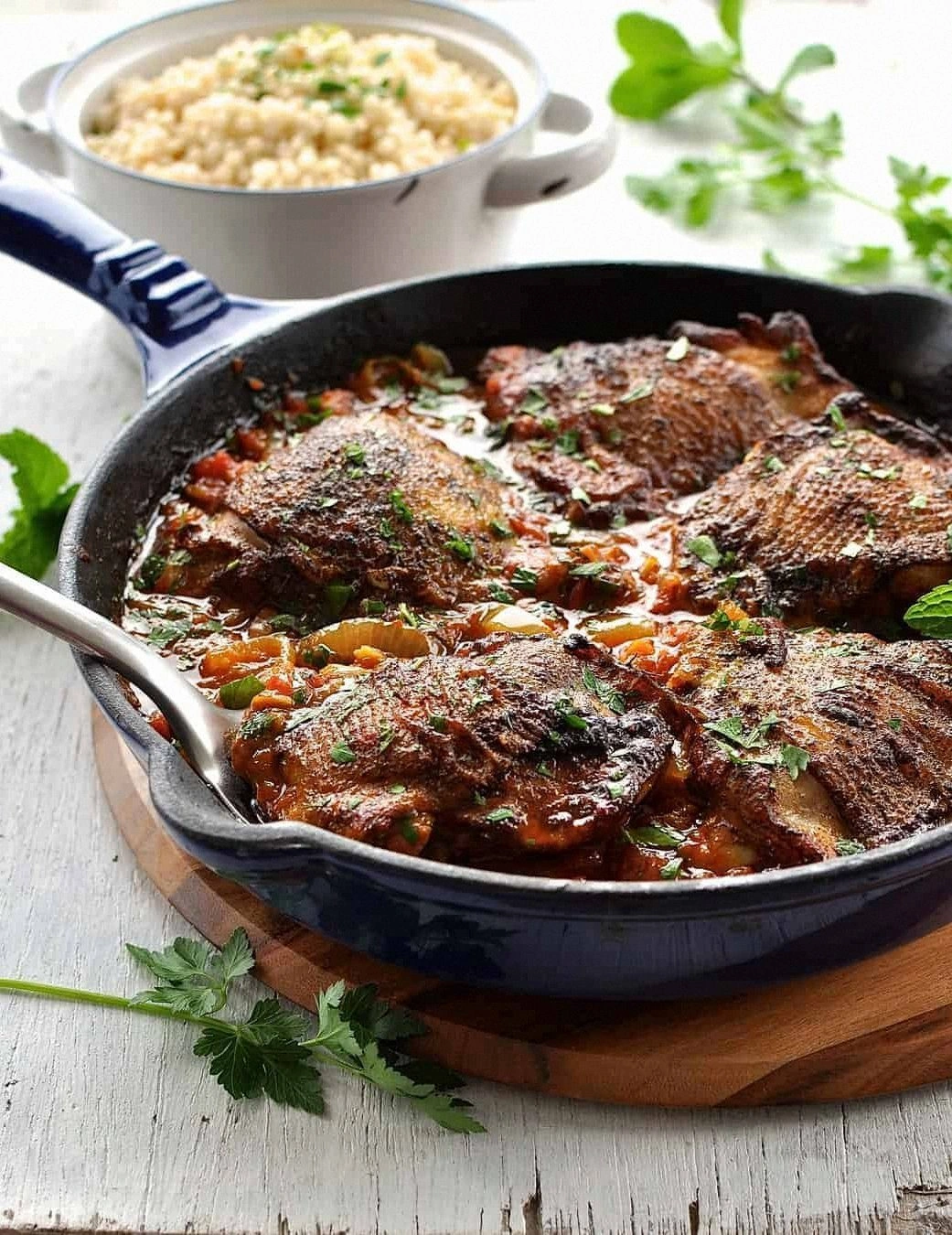
When the sauce hits the pan, it releases a perfume that swirls like incense in a Levantine market—spicy, sweet, and subtly smoky. The chicken, seared to a golden crust, still retains a juicy tenderness that makes each bite feel like a celebration. The couscous on the side is fluffy, each grain separate, soaking up the sauce like a sponge that never sags. And the final drizzle of cool yoghurt? It’s the perfect counterpoint, a creamy whisper that balances the heat.
What makes this version stand out? Most recipes get the spice balance completely wrong, either drowning the dish in heat or leaving it bland. I’ve tweaked the ratios, added a dash of saffron for that golden hue, and tossed in dried currants for a surprising burst of sweetness that plays off the chilies. I dare you to taste this and not go back for seconds.
There’s also a secret technique I’ll reveal later—an extra splash of lemon juice at the very end that lifts everything, making the flavors sing like a choir. Okay, ready for the game‑changer? Let me walk you through every single step — by the end, you’ll wonder how you ever made it any other way.
What Makes This Version Stand Out
- Taste: The marriage of cumin, cinnamon, and saffron creates a depth that feels both earthy and exotic, while the hint of lemon brightens every bite.
- Texture: Chicken thighs stay succulent, the couscous stays separate, and the currants add a chewy pop that contrasts beautifully with the silky yoghurt.
- Simplicity: Despite the layered flavors, the ingredient list is short and the steps are straightforward—no fancy equipment required.
- Uniqueness: The inclusion of dried currants is a nod to Syrian tradition, delivering a sweet‑savory surprise that most Western versions skip.
- Crowd Reaction: Serve this at a dinner party and watch guests gather around, asking for seconds and begging for the secret.
- Ingredient Quality: Using fresh ginger and high‑quality olive oil makes a noticeable difference—nothing beats fresh over powdered.
- Cooking Method: A quick sear followed by a gentle simmer locks in juices and melds flavors without drying the meat.
- Make‑Ahead Potential: This dish actually improves after a few hours, making it perfect for planning ahead.
Inside the Ingredient List
The Flavor Base
Olive oil is the silent workhorse, creating that initial sizzle that signals the start of something delicious. If you skip it, you’ll miss that luxurious mouthfeel and the flavor won’t develop as fully. Opt for extra‑virgin for a fruitier note, but a regular olive oil works just as well in a pinch.
Fresh ginger brings a zing that cuts through the richness of the chicken. A half‑inch piece, minced fine, releases its oils instantly. If you’re out of fresh ginger, a teaspoon of ginger paste is a decent fallback, though you’ll lose a bit of that bright snap.
Garlic cloves, crushed, add a deep, aromatic backbone. Over‑cooking garlic turns it bitter, so add it after the ginger has softened. You can substitute garlic powder at ½ tsp, but fresh is unbeatable.
The Texture Crew
Chicken thigh fillets are the star—they stay moist and flavorful, unlike breasts which can dry out. Look for thighs with a little fat; that fat renders into the sauce, enriching it. If you must use breast meat, brine it first for 15 minutes in saltwater.
Giant couscous is a game‑changer: each grain is larger, absorbing the sauce without turning mushy. It’s sturdier than regular couscous and gives a satisfying bite. If you can’t find it, use Israeli couscous as a substitute.
Dried currants or sultanas provide pockets of sweetness that balance the heat from the chilies. Rinse them quickly to remove any excess sugar coating, then toss them in with the sauce. You could swap in golden raisins, but the flavor profile shifts slightly.
The Unexpected Star
Saffron powder, though used sparingly (just an eighth of a teaspoon), imparts a golden hue and a subtle floral note that elevates the dish from everyday to special‑occasion. If saffron is out of reach, a pinch of turmeric can mimic the color, though the flavor will differ.
Mint and coriander leaves, roughly chopped, add a fresh herbaceous lift right before serving. The combination is classic in Syrian cooking, delivering a cooling contrast to the spice. If you’re not a fan of mint, increase the coriander and add a splash of parsley.
Bird’s eye chilies bring the heat. Slice them thinly, seeds removed if you prefer milder heat. For those who can’t handle spice, a jalapeño works as a milder alternative.
The Final Flourish
Black pepper, added to taste, gives a subtle bite that rounds out the flavor. Freshly cracked pepper works best; pre‑ground can lose its potency quickly.
Lemon juice, added at the end, brightens the sauce and balances the richness of the chicken and oil. Freshly squeezed is essential—bottled juice introduces unwanted preservatives.
Yoghurt, served on the side, cools the palate and adds a creamy texture that makes each bite feel luxurious. Full‑fat Greek yoghurt works best; if you need a lighter option, plain low‑fat yoghurt will do.
Everything's prepped? Good. Let’s get into the real action…
The Method — Step by Step
-
Heat a heavy‑bottomed skillet over medium‑high heat and add the olive oil. When the oil shimmers, it’s ready—this is the moment of truth. Pat the chicken thighs dry, then season both sides generously with salt, black pepper, and the first teaspoon of cumin powder. Place the thighs skin‑side down; you should hear a satisfying sizzle that tells you you’re on the right track.
Kitchen Hack: If the chicken sticks, give it a few more seconds—natural fond will release, making a perfect caramelized crust. -
After 4‑5 minutes, flip the thighs and sear the other side until golden. Then, remove the chicken and set aside. In the same pan, lower the heat to medium and add the minced ginger, crushed garlic, and sliced onion. Sauté until the onion becomes translucent and the mixture smells sweet and fragrant—about 3 minutes. This is where the flavor foundation builds.
-
Stir in the cinnamon powder, the second half‑teaspoon of cumin, and the saffron powder. Let the spices toast for just 30 seconds; you’ll notice a nutty aroma rising. Quickly add the crushed tomatoes, scraping up any browned bits from the bottom of the pan—those are flavor gold.
Watch Out: Do not let the tomato sauce boil aggressively; a gentle simmer prevents scorching and preserves the bright tomato flavor. -
Return the chicken thighs to the pan, nestling them into the sauce. Pour in the chicken stock, then add the lemon juice, thyme sprigs, and the sliced chilies. Bring the mixture to a low boil, then reduce to a gentle simmer. Cover the pan and let it cook for 20 minutes, or until the chicken is tender and the sauce has thickened slightly.
-
While the chicken simmers, prepare the giant couscous. Bring 1¼ cups of water to a boil, add a pinch of salt, then stir in the couscous. Remove from heat, cover, and let it sit for 5 minutes. Fluff with a fork, then drizzle a little olive oil to keep each grain separate. This step is quick, but the texture is worth the attention.
-
When the chicken is nearly done, stir in the chopped mint‑coriander blend and the dried currants. The herbs should wilt just enough to release their aroma, while the currants plump up in the hot sauce. Taste and adjust seasoning with extra salt or pepper if needed. The sauce should coat the chicken like velvet, glossy and inviting.
-
Turn off the heat and let the pan rest for 5 minutes. This short rest lets the flavors marry fully, and the chicken reabsorbs some of the sauce, staying juicy. Meanwhile, set out a bowl of yoghurt for serving—its coolness will contrast beautifully with the warm spices.
-
Plate the couscous in a shallow bowl, create a well in the center, and spoon the chicken thighs over it, ladling generous sauce around. Garnish with an extra sprinkle of fresh herbs and a drizzle of olive oil if desired. The final look should be vibrant, with the deep red sauce, green herbs, and golden couscous forming a picture‑perfect tableau.
Kitchen Hack: For an extra glossy finish, whisk a teaspoon of butter into the hot sauce right before serving. -
Serve immediately with a side of yoghurt and a wedge of lemon. The yoghurt can be spooned over the chicken or used as a dip. The lemon wedge adds a final burst of brightness that lifts every bite. Picture yourself pulling this out of the oven, the whole kitchen smelling incredible… and you’re already planning the next round.
-
That’s it — you did it. But hold on, I’ve got a few more tricks that’ll take this to another level…
Insider Tricks for Flawless Results
The Temperature Rule Nobody Follows
Never start with a cold pan. Let the skillet heat up gradually; this ensures the oil reaches the right temperature for a true sear. If the pan isn’t hot enough, the chicken will steam rather than brown, losing that coveted crust. I once rushed this step and ended up with soggy thighs—lesson learned.
Why Your Nose Knows Best
Before you add the tomatoes, give the spices a quick sniff. If the cinnamon or cumin doesn’t smell nutty and warm, they’ve lost potency. Fresh spices are the secret weapon; buy them in small batches and store in an airtight container away from light.
The 5‑Minute Rest That Changes Everything
After simmering, let the chicken sit off the heat for five minutes. This rest period allows the fibers to relax and re‑absorb the sauce, making each bite juicier. Skipping this step is the fastest way to end up with dry meat.
Herb Timing Magic
Add the mint‑coriander blend at the very end of cooking. If you add it too early, the herbs turn bitter and lose their fresh punch. A quick toss right before plating preserves their bright flavor and vibrant color.
Yoghurt Rescue
If the sauce looks a little thick after simmering, whisk in a spoonful of yoghurt to loosen it. The acidity also cuts through any excess richness, balancing the dish perfectly. Just be sure the yoghurt is at room temperature to avoid curdling.
Creative Twists and Variations
This recipe is a playground. Here are some of my favorite ways to switch things up:
Smoky Eggplant Swap
Replace half the chicken with roasted eggplant cubes. The smoky eggplant absorbs the sauce beautifully, creating a vegetarian‑friendly version that still delivers depth.
Spicy Harissa Boost
Stir in a tablespoon of harissa paste during the simmer stage for an extra layer of North‑African heat. It pairs wonderfully with the sweet currants and makes the dish perfect for spice lovers.
Citrus‑Infused Couscous
Mix the cooked couscous with a teaspoon of orange zest and a splash of orange juice. The citrus note brightens the whole plate, giving it a fresh, summery twist.
Nutty Crunch
Toast a handful of slivered almonds and sprinkle them over the finished dish. The crunch adds texture contrast and a subtle nutty flavor that complements the cinnamon.
Middle‑Eastern BBQ
Grill the chicken thighs on a charcoal grill after marinating them in the same spice blend. The smoky char from the grill adds a whole new dimension, turning this into a backyard BBQ staple.
Storing and Bringing It Back to Life
Fridge Storage
Transfer leftovers to an airtight container and refrigerate for up to 3 days. The sauce actually deepens in flavor as it sits, making next‑day meals even more satisfying.
Freezer Friendly
Cool the dish completely, then portion into freezer‑safe bags. Freeze for up to 2 months. When ready to eat, thaw overnight in the fridge and reheat gently on the stove.
Best Reheating Method
Place the thawed or refrigerated dish in a saucepan over low heat, adding a splash of water or broth to restore moisture. Stir occasionally until heated through—this prevents the chicken from drying out and keeps the couscous fluffy.