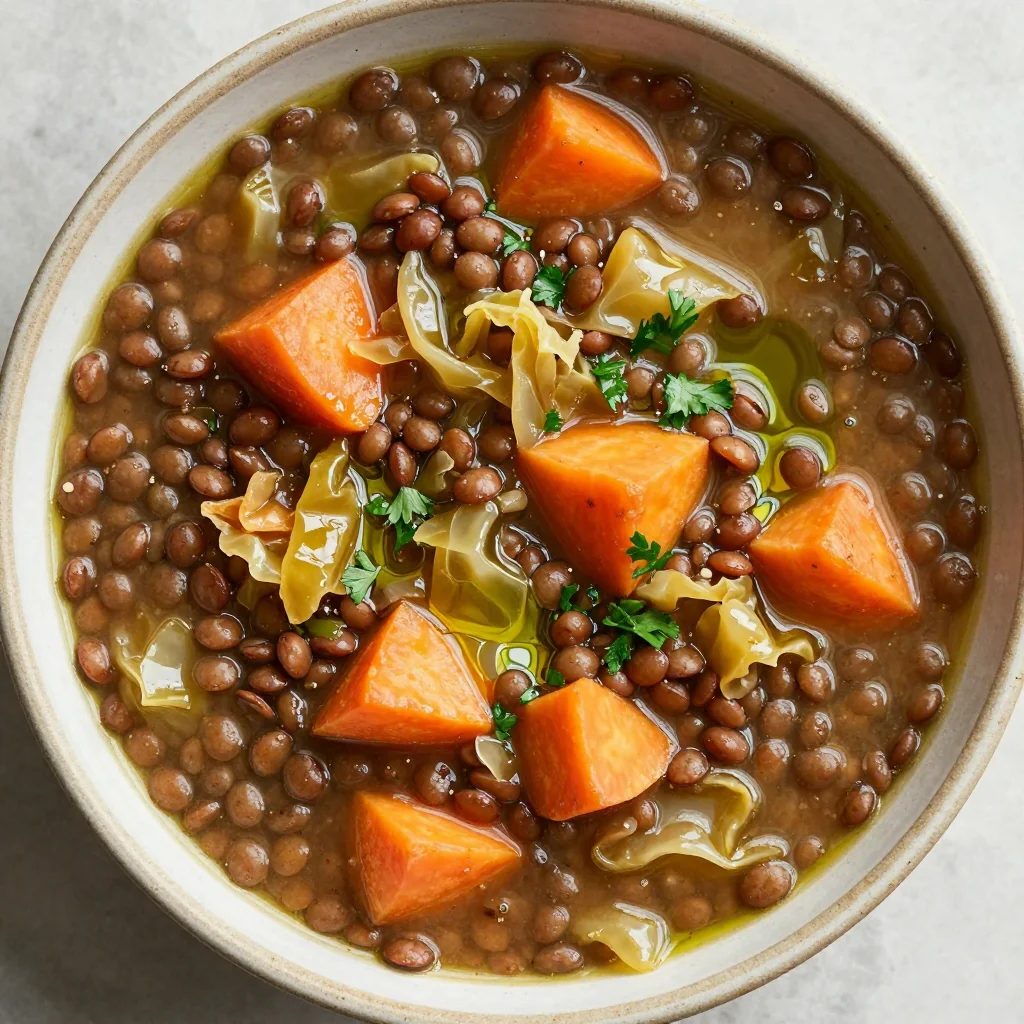
It started on a rainy Tuesday, when I was scrambling to salvage a pot of over‑cooked lentils that had turned the kitchen into a sticky, fragrant mess. The stovetop was a battlefield of splatters and a faint hint of burnt sugar from the caramelized onions. I stared at the pot, feeling the familiar dread of a recipe that could have been a flop. Then, in a flash of culinary inspiration, I remembered a recipe I’d seen in a travel blog that promised a “Coconut Curry Lentil Shepherd’” with a twist that turned the humble lentil into a decadent, creamy, curry‑laden masterpiece. I dared myself to give it a shot, and I can’t wait to walk you through every single step—by the end, you’ll wonder how you ever made it any other way.
Picture this: a pot bubbling with the silky scent of coconut milk, a swirl of bright orange curry powder, and the earthy aroma of lentils simmering like a slow‑cooked stew. The sound of onions sautéing in olive oil is a comforting, rhythmic clack that signals the beginning of something delicious. As the mixture thickens, the kitchen fills with a warm, almost tropical haze that makes you feel like you’re on a beach vacation, even though you’re just in your own living room. The colors shift from the pale green of spinach to the deep amber of caramelized carrots, creating a visual feast that’s almost too pretty to eat. And when you take your first bite, the flavors burst like fireworks—spicy, sweet, and comforting all at once—making you question why you ever settled for plain lentils.
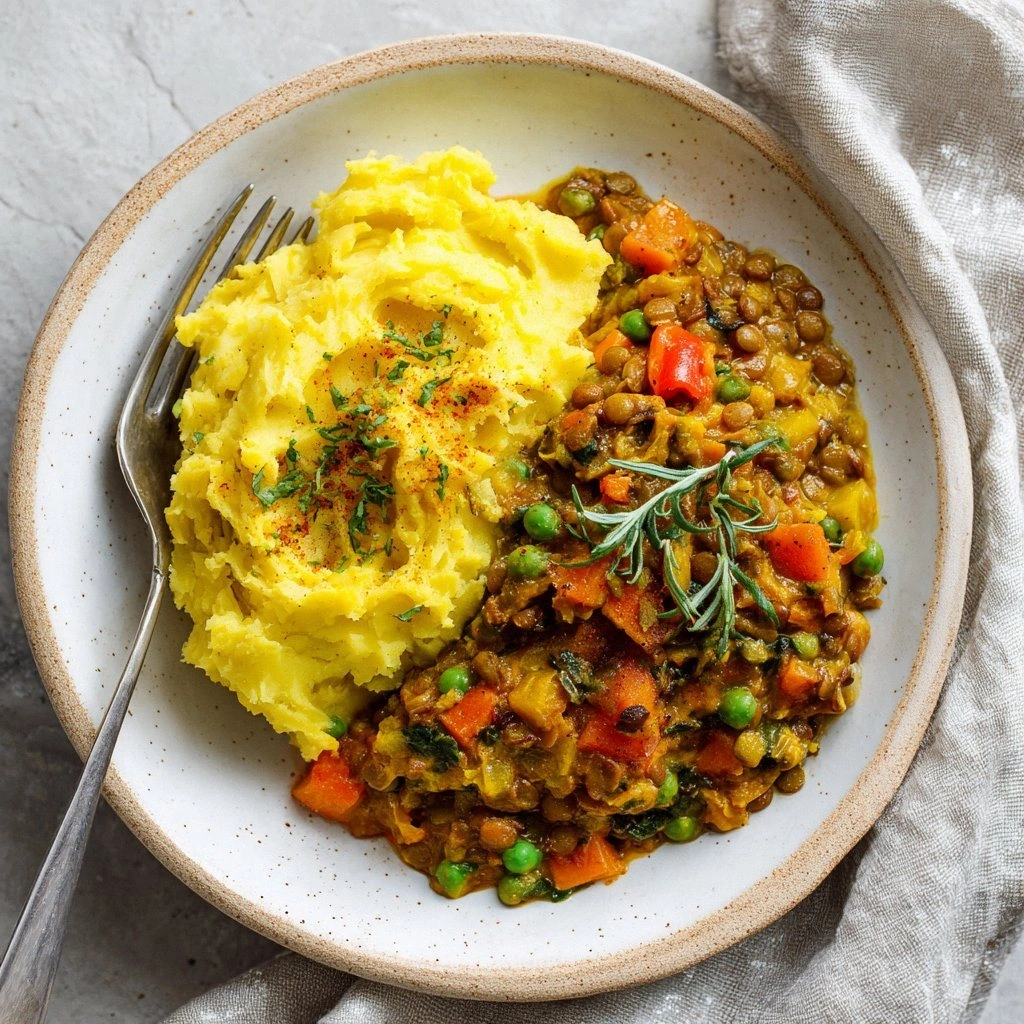
What sets this version apart from the countless lentil dishes that line every cookbook is the marriage of coconut’s silky sweetness with the bold, complex profile of a well‑balanced curry blend. The recipe uses a combination of spices—cumin, coriander, garam masala, turmeric, and paprika—that dance together, creating layers of flavor that linger long after the last spoonful. The topping is a fluffy mashed potato cloud, lightly buttered and browned to a golden edge that adds a satisfying crunch. The dish is also incredibly forgiving; if you’re short on time, you can skip the pre‑soaked lentils and still get a hearty result. But the real game‑changer is the use of coconut milk, which not only thickens the sauce but also mellows the heat, making it approachable for diners of all spice tolerances.
I dare you to taste this and not go back for seconds. Most recipes get this completely wrong by over‑cooking the lentils or under‑seasoning the curry base. I’ve spent countless evenings experimenting, and this is hands down the best version you’ll ever make at home. If you’ve ever struggled with getting the right balance of spice and creaminess, you’re not alone—and I’ve got the fix. Picture yourself pulling this out of the oven, the whole kitchen smelling incredible, and seeing your guests’ eyes widen in disbelief. Stay with me here—this is worth it.
What Makes This Version Stand Out
- Flavor: The blend of coconut milk and a robust curry powder creates a depth that feels both exotic and comforting, unlike any other lentil dish you’ve tried.
- Texture: The lentils remain tender yet slightly firm, while the mashed potato topping offers a buttery, airy contrast that melts in your mouth.
- Heat Control: The use of turmeric and paprika moderates the spiciness, ensuring it’s bold without being overwhelming.
- Color: The vibrant hues of carrot, spinach, and tomatoes make the dish visually appealing, turning a humble meal into a centerpiece.
- Nutrition: Packed with protein, fiber, and healthy fats from coconut milk, this recipe is as wholesome as it is delicious.
- Ease: With a prep time under 20 minutes and a cook time of 30, it’s perfect for busy weeknights.
- Make‑Ahead: The dish can be assembled and refrigerated for up to 48 hours, then baked just before serving.
- Versatility: Swap lentils for chickpeas or use a different curry base to tailor the dish to your taste.
Alright, let's break down exactly what goes into this masterpiece…
Inside the Ingredient List
The Flavor Base
At the heart of this dish is a symphony of spices that work together to create a flavor profile that’s both comforting and adventurous. The curry powder is the star, offering a sweet, earthy kick that’s balanced by the mild heat of paprika. Adding cumin and coriander brings a nutty undertone, while garam masala gives a subtle warmth that lingers on the palate. Turmeric not only contributes a vibrant yellow hue but also offers anti‑inflammatory benefits—an extra win for your health. If you can’t find a pre‑made curry mix, blend equal parts of ground cumin, coriander, and paprika with a pinch of turmeric and a splash of garam masala.
The Texture Crew
The lentils themselves are the backbone of the dish, providing a hearty, protein‑rich base that absorbs the curry’s richness. Red lentils cook quickly, so they’re perfect for a weeknight meal, but you can swap them for green lentils if you prefer a firmer bite. The mashed potatoes on top act as a fluffy, buttery counterpoint, creating a contrast that’s both comforting and indulgent. The potatoes should be cooked until tender before mashing with butter and a splash of coconut milk to keep them silky. A pinch of salt and pepper will bring out the natural flavors of the potatoes without overpowering them.
The Unexpected Star
Coconut milk isn’t just a flavor enhancer; it’s a textural transformer. The dairy‑free option keeps the dish vegan while adding a subtle sweetness that balances the spices. If you’re looking for a richer sauce, choose full‑fat coconut milk; for a lighter version, opt for the light variety. The coconut milk also thickens the sauce, creating a velvety consistency that clings to the lentils and vegetables. A small amount of all‑purpose flour is added to the sauce to ensure it doesn’t become watery—this is a simple trick that many recipes overlook.
The Final Flourish
Fresh cilantro is the finishing touch that adds a burst of bright, herbaceous flavor, cutting through the richness of the coconut and the spices. A squeeze of lime juice before serving can elevate the dish even further, adding a subtle citrus tang that brightens the overall profile. If you’re not a fan of cilantro, a sprinkle of chopped parsley or a dash of mint can serve as a suitable alternative. Garnishing with toasted coconut flakes also adds a delightful crunch and a tropical feel that complements the coconut milk.
Everything's prepped? Good. Let's get into the real action…
The Method — Step by Step
- Heat the olive oil in a large skillet over medium heat until shimmering. Add the diced onion and cook until translucent, about 5 minutes, stirring occasionally so it doesn’t brown. The aroma should fill the kitchen, signaling that the base is ready. If the onions start to stick, add a splash of water to loosen them.
- Stir in the minced garlic and ginger, letting them sauté for 30 seconds until fragrant. This short burst releases their essential oils, giving the dish an aromatic foundation. Be careful not to let them burn—burnt garlic tastes bitter.
- Add the diced carrot and potato to the skillet. Cook for 3 minutes, letting the vegetables soften slightly. The vegetables should retain a gentle bite, not mushy, to maintain texture in the final dish.
- Pour in the coconut milk, then stir in the curry powder, cumin, coriander, garam masala, turmeric, paprika, and a pinch of salt. Stir until the spices are fully incorporated and the sauce begins to thicken. The mixture should have a glossy sheen, indicating that the coconut milk has emulsified with the spices.
- Add the red lentils and vegetable broth. Bring the mixture to a gentle simmer, then reduce the heat to low. Cover and let it cook for 15 minutes, stirring occasionally, until the lentils are tender but still hold their shape.
- Stir in the chopped spinach and diced tomatoes, letting the mixture cook for another 5 minutes until the spinach wilts and the tomatoes soften. The color should brighten to a rich, earthy green.
- In a separate bowl, whisk the flour with a splash of coconut milk to create a smooth slurry. Stir this into the lentil mixture to thicken the sauce further. Allow it to simmer for an additional 3 minutes until the sauce coats the back of a spoon.
- Transfer the lentil curry into a baking dish. Spread the mashed potatoes evenly over the top, smoothing them with a spatula. Dot the potatoes with small pieces of butter, which will brown and caramelize during baking.
- Bake in a preheated oven at 375°F (190°C) for 20 minutes, or until the potato topping is golden and the edges are slightly crisp. The aroma of baking potatoes mingles with the warm spices, creating a heady scent that’s impossible to resist.
- Remove from the oven and let the dish rest for 5 minutes. Garnish with fresh cilantro and a squeeze of lime juice. Serve hot, and watch as the steam curls upward, inviting your guests to dig in.
That's it — you did it. But hold on, I've got a few more tricks that'll take this to another level…
Insider Tricks for Flawless Results
The Temperature Rule Nobody Follows
Many cooks assume a high heat is always better, but when it comes to lentils, a gentle simmer preserves their shape and texture. Set your stove to medium‑low after adding the lentils, and cover the pot to trap steam. This slow cooking method ensures the lentils absorb all the spices without disintegrating. If you’re impatient, you can use a pressure cooker, but be careful not to over‑cook—otherwise, the lentils will turn mushy.
Why Your Nose Knows Best
Your sense of smell is the ultimate judge of doneness. As the lentils cook, the aroma will shift from raw spices to a warm, nutty fragrance. When the mixture reaches a slightly thick, gravy‑like consistency, it’s time to add the lentils. A quick sniff will confirm that the flavors have melded together perfectly.
The 5‑Minute Rest That Changes Everything
After removing the dish from the oven, let it rest for five minutes before serving. This short pause allows the flavors to settle and the potato topping to firm up slightly, making it easier to slice and serve. The rest period also lets the residual heat finish cooking the lentils, ensuring they’re tender but not soggy.
Keep the Pot Clean, Keep the Flavor
When sautéing onions and spices, keep the pot clean by scraping up any browned bits. These bits are packed with flavor and will enrich the curry base. If you’re short on time, a quick splash of water can loosen them without compromising taste.
Use a Thermometer for Precision
If you’re aiming for a restaurant‑level finish, use a food thermometer to ensure the lentil mixture reaches at least 165°F (74°C) before baking. This guarantees that the dish is safe to eat and the lentils are fully cooked. A digital thermometer is inexpensive and saves you from guessing games.
Creative Twists and Variations
This recipe is a playground. Here are some of my favorite ways to switch things up:
Smoky Chipotle Twist
Swap the paprika for chipotle powder and add a splash of smoky chipotle sauce. The result is a dish with a deep, smoky flavor that pairs wonderfully with the coconut milk’s sweetness. Serve with a side of lime‑coriander rice for a complete meal.
Herb‑Infused Green Curry
Replace the curry powder with a homemade green curry paste made from basil, cilantro, and green chilies. The fresh herbs elevate the dish, making it aromatic and bright. This variation is perfect for a summer dinner when you want something light yet flavorful.
Protein‑Packed Chickpea Version
Use chickpeas instead of lentils for a different texture and a higher protein content. The chickpeas hold their shape well and absorb the curry sauce beautifully. This version is ideal for those who prefer a different legume but still want the same comforting flavor.
Cheesy Coconut Curry Shepherd’s Pie
Add shredded mozzarella or cheddar to the mashed potato topping before baking. The cheese melts into the potatoes, creating a gooey, golden crust that adds a new dimension of richness. This twist is perfect for a family gathering where everyone loves a cheesy layer.
Vegan Protein Crumble
Top the dish with a crumble made from crumbled tofu, nutritional yeast, and a pinch of smoked paprika. The tofu adds protein and texture, while the yeast gives a savory depth that mimics cheese. This variation is both vegan and incredibly satisfying.
Spicy Thai Coconut Curry
Use a Thai red curry paste instead of the standard curry powder. Add kaffir lime leaves and fish sauce (or soy sauce for a vegan option) to deepen the flavor profile. The result is a dish that feels like a Thai street food staple, complete with aromatic herbs and a hint of heat.
Storing and Bringing It Back to Life
Fridge Storage
Cool the dish completely before covering it tightly with plastic wrap or an airtight container. Store it in the refrigerator for up to 3 days. When reheating, cover with foil to prevent the top from drying out, and heat on low until warmed through.
Freezer Friendly
If you want to freeze the dish, let it cool completely, then place it in a freezer‑safe container. It can be stored for up to 2 months. Thaw overnight in the refrigerator before reheating on the stovetop or in the oven at 350°F (175°C) for 20 minutes.
Best Reheating Method
Reheat the dish gently by adding a splash of water or broth to the pot before warming on low heat. This trick keeps the sauce from drying out and restores its silky texture. A quick stir will also help re‑integrate the flavors.